Top 10 Bay Window Suppliers for Global Buyers
Global buyers comparing bay windows need more than attractive catalog images. A wide projection can brighten a breakfast nook, while a poorly planned frame may interrupt sightlines or complicate installation. Small details matter.
Architect Frank Lloyd Wright wrote, “The space within becomes the reality of the building.” His words offer a useful lens for evaluating bay windows: their value depends not only on appearance, but on how they shape light, usable space, and daily comfort. This guide introduces ten suppliers for international buyers, with attention to product range, customization, materials, and communication. It does not assume that one manufacturer suits every project.
Supplier comparisons should examine frame construction, glazing options, documented performance data, sample availability, and packing methods. Buyers should also ask how dimensions are confirmed before production, and who handles technical questions across time zones. A polished brochure is not proof of consistent quality. Neither is a low quotation. Some differences emerge only after drawings, finish samples, and delivery terms are reviewed carefully.
The shortlist is a starting point, not a substitute for due diligence. Compare specifications against the project’s climate, building design, and local requirements. Request clear, current documentation. Then weigh support and delivery reliability alongside price. Even a strong supplier can miss a detail; thoughtful questions help reveal where assumptions need checking.
Bay Windows Explained: Projection Styles, Configurations, and Key Components
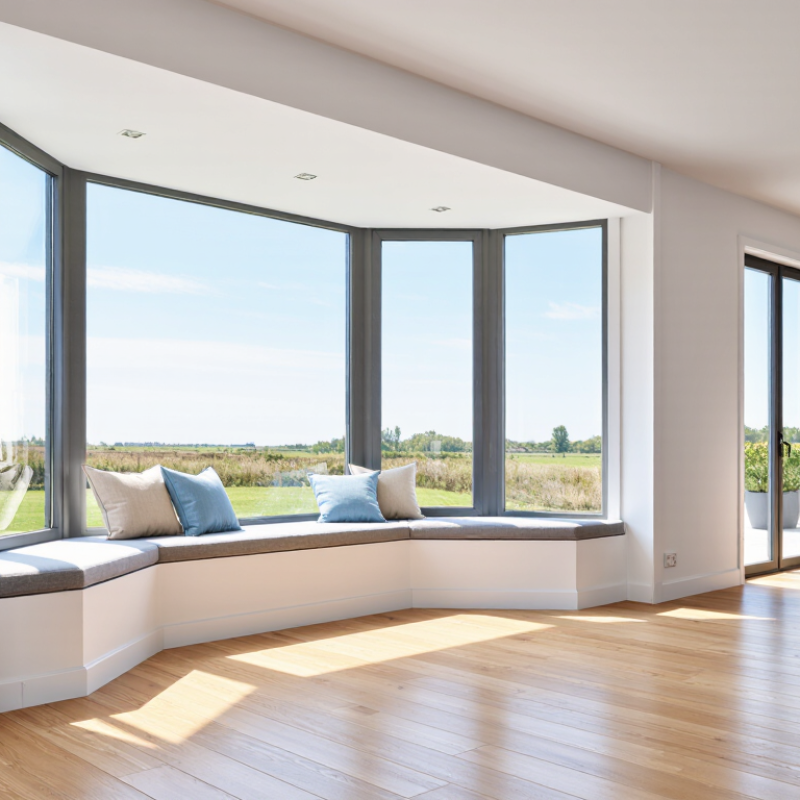
Bay windows project beyond an exterior wall, bringing in light from several directions and creating usable interior space. Their shape affects both appearance and performance. A canted bay uses angled side panels and a broad front window. A box bay has square corners, while a bow window uses several narrow units to form a gentle curve. Configurations may combine fixed glass with operable casement or sash windows. The right choice depends on room layout, ventilation needs, and the building’s structure.
Key components include the frame, glazing, side jambs, head, sill, and support beneath the projection. Larger bays may also need a roof or flashing detail to direct water away from the wall. Check how the unit connects to the existing structure, and confirm that its weight has suitable support. A small installation gap can invite drafts or moisture. Even careful plans can miss uneven walls, so verify site measurements before ordering.
Tips: Measure the opening at several points, not just once. Ask suppliers for section drawings showing frame depth, support, and drainage paths. Compare glass options for climate and orientation. Measure twice. A pretty sketch is not a site survey.
Bay Window Configurations: Typical Panel Count
Representative layouts show how projected window styles differ in the number of window units.
Angled and box bays commonly use three units, while bow windows typically combine four or more units in a curve. Layouts vary by design and project. Key components may include a main frame, side windows, glazing, a supporting roof, and an interior seat or shelf.
Global Market Snapshot: Regional Demand and Window-and-Door Trade Data
Global demand for windows and doors varies with climate, construction cycles, and renovation needs. In North America, replacement projects often favor insulated units that fit existing openings. European buyers commonly prioritize thermal performance and documented product specifications. In parts of Asia and the Middle East, urban development and larger residential projects can support demand for varied window designs, including bay configurations. These are broad patterns, not guarantees. Local conditions matter.
Trade data can help buyers compare markets, but it needs careful reading. Customs records may group products by material or frame type rather than identify bay windows separately. Values and shipment volumes can also shift with freight costs, exchange rates, and project timing. Check several years of data, then compare it with regional building activity and supplier quotations. Look closely at frame material, glazing, dimensions, and packaging requirements. Small details matter. A low import value does not necessarily mean a low purchase price; it may reflect product mix or reporting differences. Data is useful, but imperfect. It should guide questions, not replace technical checks or direct supplier verification.
Comparing Suppliers: NFRC 100 U-Factor and NFRC 200 SHGC Ratings
Top 10 Bay Window Suppliers for Global Buyers
Comparing Suppliers: NFRC 100 U-Factor and NFRC 200 SHGC Ratings
When comparing bay window suppliers, ask for NFRC-certified ratings for the exact product configuration. NFRC 100 U-factor measures heat flow through the window assembly. Lower values generally indicate better insulation. NFRC 200 SHGC measures how much solar heat enters through the product. A lower SHGC can help limit summer cooling loads, while a higher one may provide useful winter warmth in sunny rooms.
Check the rating label, not just a sales brochure. A bay window may combine a fixed center panel, operating side windows, different glazing, and varied frame materials. Those details can change performance. Compare like with like: similar dimensions, glass packages, frame options, and operating styles. Ask whether the published values apply to the complete bay assembly or only to individual units. Small print matters.
There is no single best rating for every climate. A cold, shaded home may prioritize a low U-factor; a hot, sun-exposed room may need a carefully selected SHGC. Ratings also cannot promise comfort by themselves. Air leakage, installation quality, and the projection’s exposure affect real results. It is easy to overfocus on one number. Even a strong label leaves questions about the site and the installer. Before selecting a supplier, request current documentation and confirm that quoted options match the tested configuration.
Top 10 Bay Window Suppliers: Product Range, Certifications, and Export Reach
A useful comparison of ten bay window suppliers starts with product range, not glossy catalog images. Check whether each supplier offers fixed, casement, or sliding configurations, and whether angled layouts can be made to measured openings. Frame options may include uPVC, aluminum, timber, or combinations. Ask about glass thickness, thermal breaks, drainage paths, and hardware finishes. Small details matter. A poorly placed handle can make a deep window seat awkward to use.
Certifications help buyers assess performance, but names and requirements vary by destination. Request current test reports for air leakage, water penetration, wind resistance, and thermal performance. Confirm that the documents cover the actual window system, not just a similar material or component. Also check who issued each report and when it was tested. Paperwork can look complete while leaving gaps; that deserves a second look.
Export reach is more than a list of countries served. Ask suppliers about past shipments to your destination, protective corner guards, crate dimensions, lead times, and support if glass arrives damaged. Clarify whether quotations include packing, port handling, and required product documents. A supplier with a smaller range may still be a better fit if communication is steady and specifications are clear. No comparison table can replace checking a sample and reviewing the final drawings.
Global Buyer Checklist: ASTM E283 Air-Leakage Testing, Lead Times, and Warranties
For bay windows, ask suppliers for an ASTM E283 air-leakage test report, not just a “tested” claim. ASTM E283 measures air leakage through window assemblies under specified pressure differences. Compare results at the same pressure and for a similar window size and configuration. The standard describes a test method; it does not set one universal pass limit. Put your project’s acceptance threshold in the purchase documents. Small gaps matter. The U.S. Department of Energy’s Energy Saver guidance estimates that windows account for 25–30% of residential heating and cooling energy use. That makes documented performance worth checking, especially around operable sashes and corner joints.
Lead times need the same scrutiny. Request a written schedule covering shop drawings, approval, production, inspection, and shipment. Ask what could change the date, such as custom curves, glazing choices, or packaging requirements. A single “eight-week lead time” can hide several different timelines. It is easy to miss that. For warranties, compare coverage for the insulated glass unit, frame finish, hardware, and installation separately. Confirm duration, exclusions, and the process for reporting a defect. Ask whether replacement parts remain available after delivery. Keep the answers in writing; vague promises are difficult to assess when a shipment arrives late or a seal fails.