10 Tips for Choosing the Best Patio Doors

Patio doors do more than connect a room with a garden. They shape daylight, airflow, views, and the way people move through a home. A wide glass opening can make a small dining area feel brighter, but it can also expose glare, drafts, or a difficult threshold. The best choice depends on how you actually use the space—not just how a door looks in a showroom.

Architect Frank Lloyd Wright wrote, “Form and function should be one, joined in a spiritual union.” That principle offers a useful lens for choosing patio doors: attractive design matters, but so do operation, insulation, security, and fit. A sliding door may suit a narrow deck where a swinging panel would obstruct chairs. French doors can create a generous opening, yet need clear space to swing. Small details count. Check handle comfort, screen movement, and the sill underfoot.

This guide covers ten practical considerations, including door style, frame material, glass performance, weather sealing, and installation. It also explains what to ask before accepting a quote, such as whether the stated measurements include the frame and who handles finishing work. Product labels can be confusing, and a showroom display cannot reveal every issue in an older home. Measure carefully. Confirm claims in writing. Then compare options against your climate, budget, and daily routine. One honest caveat: no single door suits every home. A beautiful choice can still feel wrong if it blocks furniture or catches the afternoon sun.
10 Tips for Choosing the Best Patio Doors

Understanding Patio Door Types and How They Open

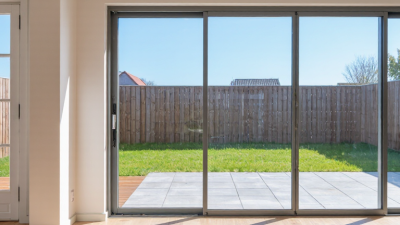
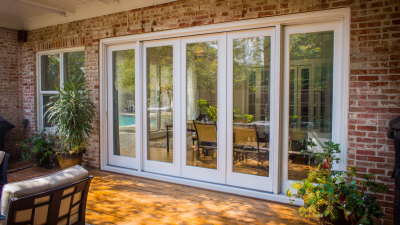
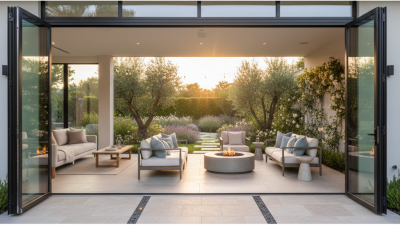
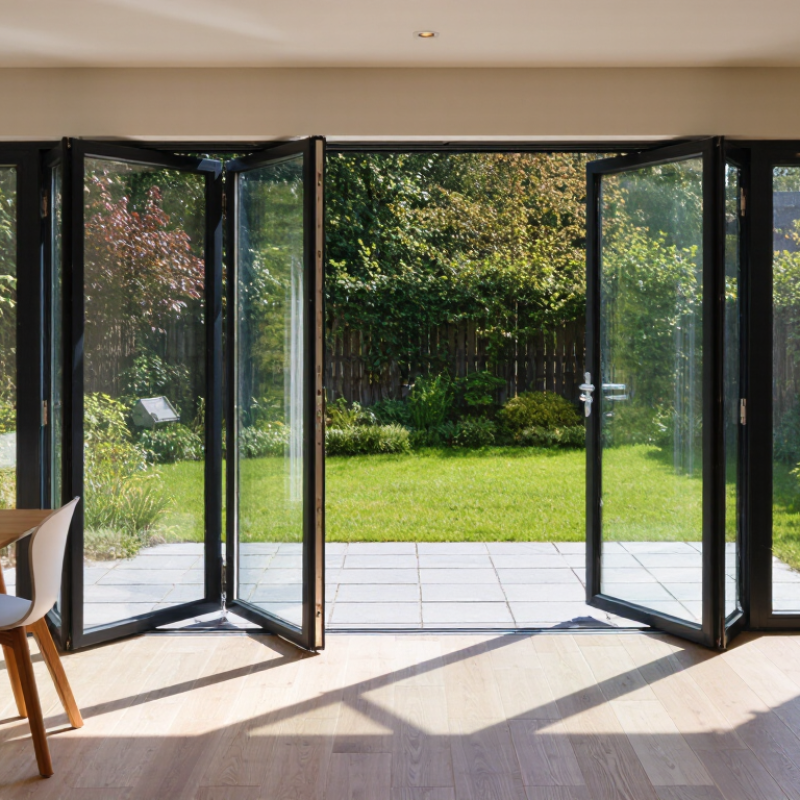
A patio door’s opening style changes how a room works. Sliding doors move along a track, so they need no interior swing space. They suit a narrow dining area where chairs sit close to the glass. Hinged French-style doors open inward or outward, depending on the layout. Measure the swing before choosing; a handle can collide with a table. Multi-slide and folding systems create wider openings, but their panels need somewhere to stack. More opening is not always more useful.

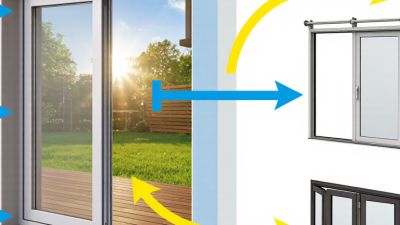
Energy performance matters, too. The U.S. Department of Energy’s Energy Saver guidance estimates that heat gain and loss through windows account for 25–30% of residential heating and cooling energy use. That figure covers windows generally, not patio doors alone. Still, it’s a useful reason to compare the door’s U-factor and solar heat gain coefficient. The National Fenestration Rating Council’s certified ratings report these measurements, helping you compare products on consistent terms. Check the label. Then consider weather exposure: a west-facing glass panel can bring strong afternoon sun, while a leaky track may invite drafts. I’d also test the handle and threshold in person. Specs don’t reveal every awkward detail.

Matching Door Materials to Your Climate and Home

Choosing patio door materials starts with your climate, not appearance. The U.S. Department of Energy estimates that windows account for 25–30% of home heating and cooling energy use; patio doors are part of the same building envelope, though their impact varies by size and installation. In cold regions, compare low U-factor ratings and look for insulated frames. Fiberglass and well-insulated vinyl can limit heat transfer. Check the whole unit, not just the glass.

In hot, sunny climates, a low solar heat gain coefficient can reduce unwanted heat, especially on west-facing doors. The National Fenestration Rating Council label makes U-factor and solar heat gain coefficient easier to compare across products. Useful data. Still, ratings do not account for every home: deep eaves, tree shade, and local humidity change what performs best. Aluminum frames can suit contemporary designs, but ask about thermal breaks to reduce heat transfer.

Wood offers a warm look and can insulate well, but exposed finishes need regular care, particularly in wet or coastal settings. Salt air can also wear hardware and finishes faster. A small detail, but a costly one. Before choosing, inspect the sill and frame, and ask how the door handles condensation and wind-driven rain. A high-rated door can still disappoint if the opening is poorly sealed. I would not choose by climate zone alone; orientation and maintenance habits matter too.

Comparing Energy Efficiency, Glass, and Security Features

When comparing patio doors, consider your local climate and the direction the opening faces. A west-facing door can admit strong afternoon heat, while a shaded north-facing one may need different priorities. Check the whole door’s energy rating, not just the glass. Look for low air leakage and a suitable U-factor; lower U-factors generally mean less heat passes through. Small details matter. A careful installation helps prevent drafts around the frame, even when the door itself performs well.

Glass choices affect both comfort and daylight. Double-pane glass with a sealed space between panes usually insulates better than single-pane glass. Low-emissivity coatings can reduce heat transfer, but the best option depends on your climate and sunlight. A low solar heat gain coefficient can help limit summer heat, though it may also reduce useful winter warmth. Ask for performance figures for the complete door, and compare them rather than relying on vague claims. I would not choose by one number alone.

For security, examine the frame, lock, hinges, and sliding track as a system. A multi-point lock can secure several points along the frame, while anti-lift features help stop a panel from being lifted out. Tempered glass breaks into smaller pieces, but it is not necessarily difficult to break. Laminated glass can remain bonded to an interlayer after cracking, which may delay entry. Check that the lock engages smoothly and the frame feels firm. A strong lock on a poorly fitted frame is still a weak spot.

Choosing the Right Size, Style, and Accessibility Options

Choosing patio door size starts with the opening, not the product label. Measure width at the top, middle, and bottom, then check height on both sides. Note the sill, nearby trim, and the path furniture must take through the doorway. A wider opening can help with moving chairs or carrying a tray, but it may require structural changes. Sliding doors save swing space; hinged doors need room to open fully. Small details matter. AARP’s 2021 Home and Community Preferences Survey found that 77% of adults aged 50 and older want to remain in their homes as they age. That makes future ease of use worth considering, even if accessibility is not an immediate need.

For a more accessible route, look for a low, securely finished threshold, an easy-to-grip handle, and enough clear passage for mobility aids. The 2010 ADA Standards use 32 inches as the minimum clear opening width for covered accessible doors and limit thresholds to ½ inch. These are useful reference points, not automatic requirements for every home; check applicable local codes. A flush sill can still collect water or feel slippery, so ask how drainage and weather sealing will work. It is easy to focus on the glass and overlook the track. Have the opening checked before ordering, especially in older homes where walls and floors may not be square.

Checking Installation Needs, Maintenance, and Total Cost

Before choosing patio doors, check how they will fit your opening. Measure the width at the top, middle, and bottom; older frames are not always square. A large sliding door may need a clear path for delivery and installation. Hinged doors also require swing space, which can conflict with furniture or a narrow deck. Ask an installer to inspect the sill, surrounding frame, and drainage. Replacing a door in a damaged opening can add work that a showroom estimate may not include.

Installation details affect comfort as well as cost. Confirm who removes the old door, seals the opening, and repairs interior trim. Get those tasks in writing. I once underestimated the time needed for trim repairs. It was a small oversight, but it changed the final bill. Weather exposure matters, too: a west-facing door may need stronger sun protection, while a windy site benefits from careful sealing.

Look beyond the purchase price. Include delivery, labor, disposal, hardware, and any frame repairs in your comparison. Ask what maintenance the materials require. Tracks collect grit, so even low-maintenance doors need occasional cleaning. Wood may need periodic finishing, while metal and composite surfaces have different care needs. Check that replacement rollers or weatherstripping will be available. Keep a little room in the budget for surprises. Estimates are not guarantees. A cheaper door can cost more over time if its parts are difficult to replace or its installation is incomplete.

10 Tips for Choosing the Best Patio Doors - Checking Installation Needs, Maintenance, and Total Cost

Tip What to Check Installation Considerations Maintenance Planning Cost (USD)
1. Measure the opening carefully Record the width and height at several points; check whether the opening is square and level. A replacement door may need a custom size or adjustments to the existing frame if measurements vary. Accurate fitting helps reduce drafts and prevents avoidable strain on rollers or hinges. Professional measurement is often included with an installation quote; confirm before ordering.
2. Choose a door style that suits the space Sliding doors need clear wall space only for the fixed and moving panels; hinged doors need room for the swing. Check furniture, walkways, steps, and outdoor obstructions before selecting the operating style. Sliding panels may need track cleaning; hinged panels may need hinge and hardware checks. Standard installed sliding doors commonly fall around $1,200–$4,000; hinged pairs often cost more.
3. Inspect the existing frame and surrounding wall Look for soft or discolored wood, water stains, cracked sealant, and signs of movement around the opening. Rot, hidden water damage, or structural repairs can add labor and materials beyond a simple door replacement. Keep exterior joints sealed and address leaks promptly to protect the frame. Ask for any repair work to be itemized; costs depend on the damage and local labor rates.
4. Compare frame materials Consider vinyl, fiberglass, wood, or aluminum based on climate, appearance, upkeep, and budget. Heavier or larger assemblies may require additional handling and suitable structural support. Vinyl and fiberglass generally need little finish upkeep; wood may need periodic painting or staining. Material, size, finish, and glass options can substantially change the quoted price.
5. Check glazing and energy performance Compare the product’s U-factor and solar heat gain coefficient (SHGC); lower U-factors indicate better insulation. Select glazing suited to the local climate and the amount of direct sun the opening receives. Clean glass with non-abrasive products and check for damaged weather seals. Energy-efficient glass may increase the initial price; compare product ratings and available rebates.
6. Plan for water management Check the sill, flashing, exterior drainage, and the manufacturer’s instructions for water protection. Correct flashing and a properly prepared sill are important, especially where the door is exposed to rain. Keep weep openings and drainage paths clear; inspect exterior sealant periodically. Flashing or sill repairs may be additional; request confirmation of what the installation price includes.
7. Evaluate security and hardware Review the lock type, frame reinforcement, glass options, and whether the door can be secured in its track. Ensure the selected hardware is compatible with the door and installed according to its instructions. Check that locks engage smoothly and tighten or replace worn hardware as needed. Upgraded locks or laminated glass can add to the product cost; compare options in the quote.
8. Check access and building requirements Consider the threshold height, clear opening, and ease of operation for everyone using the door. Permits or code requirements may apply, particularly if the opening is enlarged or structural elements are changed. Keep thresholds clean and confirm that moving panels continue to open without excessive force. Permit fees and accessibility-related work vary by location and project scope.
9. Compare complete installation quotes Compare the same door size, material, glass, hardware, removal, disposal, finishing, and warranty coverage. Ask whether the quote covers delivery, old-door removal, trim, flashing, and cleanup. Confirm care instructions and which product or labor issues are covered by the warranty. As a broad U.S. planning range, installed patio doors may cost about $1,200–$6,000 or more, depending on type and scope.
10. Consider lifetime costs, not just purchase price Factor in expected upkeep, replacement parts, energy performance, and the length and terms of the warranty. A correctly installed door can help avoid premature adjustment, air leakage, and water-related repairs. Follow the manufacturer’s maintenance schedule; cleaning tracks and inspecting seals are common routine tasks. Compare total quoted costs and likely upkeep over time; prices vary by region, size, options, and site conditions.

Cost figures are approximate U.S. planning ranges, not fixed prices. Obtain itemized local quotes because door size, materials, site conditions, labor, and repair work can change the total.