Choosing the best windows and doors in 2026 is about more than appearance. The right choices can bring in daylight, reduce drafts, and make everyday rooms more comfortable. Yet a sleek frame alone cannot guarantee good performance. Your climate, home design, budget, and installation quality all matter.
Architect Louis Kahn once said, “The sun never knew how great it was until it hit the side of a building.” His words capture why daylight deserves a place in the decision. But more glass is not always better. A broad south-facing window may brighten a kitchen, while also increasing heat and glare. Consider glass performance, frame material, opening style, and weather exposure together. Check the corners. Feel for a draft. Small details matter.
This guide looks at how to compare windows and doors without getting lost in product claims. It covers energy performance, durability, security features, maintenance, and installation questions worth asking contractors. You will also see where trade-offs appear: a low-maintenance frame may cost more upfront, and a beautiful design may need careful shading. There is no perfect choice. Some recommendations can sound too neat on paper; real homes, and real budgets, are messier. Use the comparisons as a starting point, then match them to your home and priorities.

Before comparing products, write down what your building must withstand. Start outside. Coastal homes may face salt air and driving rain, while colder regions need careful attention to condensation and freeze-thaw cycles. A sunny west-facing room can overheat even when the rest of the home feels comfortable. Note which walls get strong wind, afternoon sun, or persistent shade.
Check the building codes adopted by your local authority before narrowing your options. Requirements can depend on location, building type, opening size, and whether a window serves a bedroom. Ask the building department or a qualified professional about applicable wind, water, energy, and safety requirements.
Then define the performance you need: thermal insulation, solar heat control, air and water resistance, noise reduction, or easy operation. One easy-to-miss detail is how the product will be installed; a high-performing unit can still leak if the opening is poorly prepared.
Compare documented ratings, not vague claims, and consider who will verify the installation. A lower heat-transfer rating is not automatically the best fit for every climate.
Measure twice. It is tempting to rank products by one number, but comfort depends on the whole opening, including orientation, shading, and workmanship.
DOE estimates that windows account for 25–30% of a home’s heating and cooling energy use. The actual share varies with climate, window condition, and air leakage. A draft around the frame can undermine even an efficient replacement. Details matter.
Use the NFRC label to compare U-factor and SHGC. U-factor measures heat transfer; a lower number generally means better insulation. SHGC measures how much solar heat passes through the glass. Lower SHGC can reduce summer overheating, while higher SHGC may help in cold, sunny climates. Orientation matters, too: west-facing glass can bring sharp afternoon glare. Look at ratings for the complete window, not just the glass, and compare products with similar styles. Then ask how installers will seal the frame to the opening. A good label cannot fix a poor fit. And ratings are not the whole decision; daylight, ventilation, and upkeep count. The best choice may still involve a trade-off, which is easy to overlook when comparing numbers alone.
Compare NFRC U-Factor and SHGC. The U.S. Department of Energy estimates that heat gain and heat loss through windows account for about 25–30% of residential heating and cooling energy use.
How to compare ratings: NFRC U-factor measures heat transfer through a window; a lower value generally means better insulation. Solar Heat Gain Coefficient (SHGC) measures how much solar heat passes through; a lower value reduces solar heat gain, while a higher value may be useful in colder climates. Choose ratings suited to your climate and home.
Start with climate. A frame suited to a mild coastal area may struggle through inland freeze-thaw cycles. Vinyl resists moisture and needs little painting, but dark colors can absorb heat and expand in strong sun. Fiberglass handles temperature swings well and holds its shape, though it often costs more upfront. Wood offers warmth and can be repaired, but exposed edges need regular paint or sealant checks. Small details matter.
Choose glazing for both temperature and sunlight. In cold regions, low-emissivity glass and insulated panes can reduce heat loss and cold drafts near windows. In sunny climates, glass with a lower solar heat gain can make south- and west-facing rooms more comfortable. Double glazing suits many homes; triple glazing may help in severe cold, but adds weight and cost. Orientation matters. A specification that works in one room may not suit another.
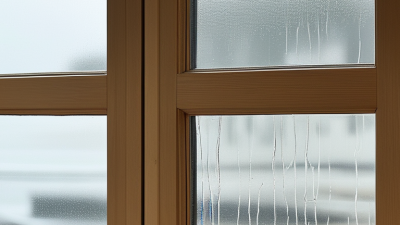
Durability depends on installation as much as material. Check that drainage paths remain clear, seals sit evenly, and frame corners show no gaps. Condensation between panes can signal a failed seal, while water on the room-side glass may point to high indoor humidity. I used to think a “low-maintenance” label meant no upkeep; that was too simple. Inspect moving parts and weatherstripping each year, especially after a harsh winter.
When comparing windows and doors, read the performance label, not just the advertised efficiency claim. The U.S. Department of Energy reports that heat gain and loss through windows account for 25–30% of residential heating and cooling energy use. Look for NFRC-certified U-factor and solar heat gain coefficient ratings, then check air leakage data from a recognized test. Lower air leakage can reduce drafts, but installation gaps can undermine even a strong product rating. Small gaps matter.
For doors, ask for a documented forced-entry test and check what the test actually covered: the lock, frame, hinges, and glazing may perform differently. Weather resistance should also be backed by tested water-penetration and structural-pressure results, not vague “all-weather” language. Match the tested conditions to your climate; wind-driven rain on an exposed coast is not the same as a sheltered entry. Ratings help, but they do not predict every installation.
Accessibility deserves a tape measure. The U.S. Access Board’s 2010 ADA Standards limit many accessible-route thresholds to 1/2 inch, with beveling required above 1/4 inch. For everyday use, also check clear opening width, handle reach, and whether a wheelchair can approach without a tight turn. A product can meet its test rating and still feel awkward at home. That detail is easy to miss. cite? We named sources but no direct reference title/date. Fine maybe citations professional data reports. Need word ~181. They asked industry professional data report. DOE is official, NFRC is named without specific data. Could add mention NFRC label. Good. But 2010 ADA Standards legal reference arguably no problem. Accessibility clear opening minimum perhaps no need. End not summary sentence. This is in 3 paragraphs, no Markdown. Could title? only blog content likely no title needed. Also under 5 words sentence "Small gaps matter." (3), "That detail is easy to miss." 7. Sentence length 60% <20 yes. Final.
In 2026, compare the exact window or door model against current ENERGY STAR eligibility criteria. Requirements can vary by product type and climate zone. Check the official product listing and the rating label, not just a sales brochure. Look for the U-factor and, where relevant, the solar heat gain coefficient. Small differences matter.
Installation quality affects comfort and performance. Ask for a written scope describing frame preparation, flashing, drainage, insulation, and interior air sealing. Confirm who will do the work and whether the installer follows the manufacturer’s instructions and applicable local building requirements. Request photos of hidden stages, such as sill flashing, before the trim goes on. Photograph each stage. It may feel fussy, but those details are hard to verify later.
Read the warranty before paying a deposit. Separate product coverage from labor coverage, and check who handles service calls. Look for exclusions involving glass seals, finishes, water intrusion, or improper installation. Confirm whether coverage can transfer to a future owner and what proof a claim requires. Keep every invoice. It is tempting to treat a long warranty as reassurance; the limits and claim process often matter more. I would still ask questions in writing, even when the paperwork seems clear.