Top 10 Window Deals for Wholesale Buyers

Wholesale window buying can look simple from a price sheet. The real differences often appear later, when pallets arrive, measurements are checked, and installation schedules tighten. These top 10 window deals compare more than unit price. They consider frame materials, glazing, energy performance, warranty terms, minimum order quantities, freight, and supplier support. Small details matter. A low quote may exclude hardware, custom sizing, or delivery to your warehouse. Ask for those costs in writing before comparing offers.

Fenestration procurement specialist Alex Morgan puts the buying principle this way: “A good window deal is the one that still works after delivery, installation, and warranty costs are counted.” Use that idea to assess each option. Check product specifications against your project needs, and confirm lead times before committing to volume. Look closely at sample corners, seals, and frame finishes; a brochure cannot show every flaw. Then compare payment terms and replacement procedures. These checks help wholesale buyers judge value with clearer evidence, not just a discount label. Still, no ranked list fits every order. Climate, building design, local requirements, and customer expectations can change what counts as the best choice. Treat these picks as a starting point, and verify current pricing and specifications directly with each supplier.
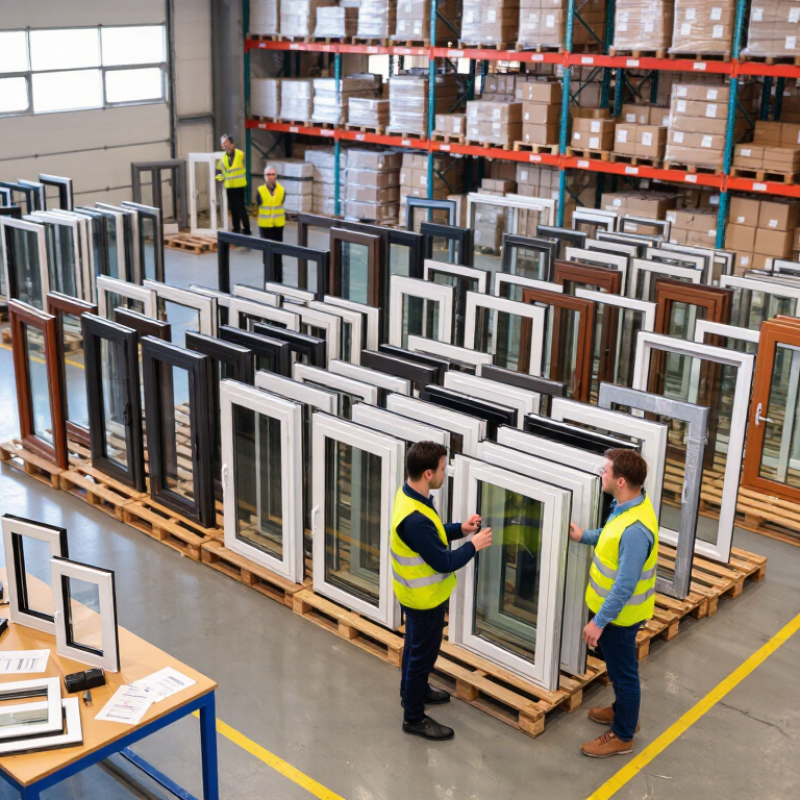
Top 10 Window Deals for Wholesale Buyers

Understanding Wholesale Window Deals and Buyer Priorities

Top 10 Window Deals for Wholesale Buyers

Understanding Wholesale Window Deals and Buyer Priorities

Wholesale window deals are not simply about the lowest unit price. Buyers need predictable performance, delivery, and support if products arrive damaged. A pallet may look inexpensive until mixed sizes or missing hardware delay installation. Compare frame material, glazing, U-factor, solar heat gain coefficient, dimensions, packaging, lead time, and replacement terms on one quote sheet. Small checks matter.

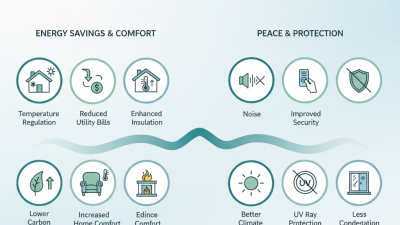
The U.S. Department of Energy’s Energy Saver guidance estimates that windows account for about 25–30% of residential heating and cooling energy use. That makes thermal performance a purchasing concern, not just a line on a specification sheet.

Request National Fenestration Rating Council performance labels, then match ratings to the project’s climate and building needs. Check whether quoted prices include packaging, freight, and replacement units for transit damage. A low price can lose its appeal when a shipment arrives late or inconsistent. Ask for written details.

Confirm carton counts, corner protection, and sample-to-order consistency before placing a volume order. Samples help, but they do not guarantee every unit will match. That is easy to overlook. Compare the total landed cost alongside documented ratings and clear delivery terms; a discount alone tells buyers very little.

Identifying Window Types and Specifications for Bulk Orders

Wholesale window orders should begin with the building’s needs, not the lowest unit price. Choose operation types by room use: sliding windows suit spaces with limited clearance, while casement styles can provide wide openings for ventilation. Fixed windows bring daylight where opening access is unnecessary. Small differences matter.

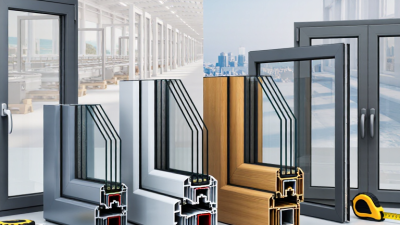
Compare specifications across every quotation. Check frame material, glazing layers, safety-glass requirements, screens, hardware, and finish. Review U-factor for heat transfer and solar heat gain coefficient for sunlight-related heat; suitable targets depend on climate, orientation, and project design. Ask suppliers for test reports and confirm that ratings apply to the exact quoted configuration. Also verify air-leakage data, dimensional tolerances, and whether listed sizes refer to the window unit or rough opening.

For bulk orders, request a schedule showing quantity, width, height, handing, and finish for each opening. Confirm packaging, pallet dimensions, lead times, and replacement procedures before approving production. A sample unit can reveal details drawings miss, such as handle clearance or frame color under site lighting. I would not assume that a familiar specification fits every building; that shortcut can leave costly gaps. Double-check the schedule.

Comparing Pricing, Quality, and Energy Efficiency

A strong wholesale window deal is more than a low unit price. Compare the full specification: frame material, glazing, hardware, air leakage, warranty, and freight. Ask for a sample corner or operating sash; it reveals seal quality and frame stiffness better than a glossy product sheet. Small detail. For large orders, also check whether replacement parts remain available and whether lead times match the project schedule.

Efficiency ratings help make unlike offers comparable. The U.S. Department of Energy reports that windows account for about 25%–30% of residential heating and cooling energy use. Compare U-factor and solar heat gain coefficient, not just glass descriptions. Lower U-factor generally limits heat transfer; the preferred solar gain depends on climate and building orientation. A very efficient specification can still be a poor buy if it is mismatched to the site.

ENERGY STAR estimates certified windows can reduce household energy bills by an average of 12% nationwide, though actual savings vary with climate, existing windows, and installation. Treat that figure as a benchmark, not a promise. For a top-ten comparison, calculate cost per opening after shipping, then weigh it against ratings, tested performance, and warranty terms. I would hesitate to rank a bargain highly when its test data is missing. A cheaper quote can become expensive after installation.

Top 10 Window Deals for Wholesale Buyers

Wholesale window deals are strongest when the quoted price matches the project’s actual needs. Compare unit cost, minimum order quantity, lead time, and freight before placing a large order. A low price can lose its appeal if oversized crates require extra handling or common sizes arrive late.

Useful offers may include volume discounts, mixed-size pallets, standard-size windows, custom dimensions, and replacement kits. Buyers can also compare double glazing, low-emissivity glass, tempered panes, upgraded frames, and bundled hardware. Ask for written specifications, including dimensions, glazing details, frame material, and included accessories. Check the frame. A photo is helpful, but it cannot confirm every detail.

For larger orders, request a sample or inspect one unit before approving production. Confirm how damaged units are documented and whether spare parts are available. Freight consolidation may reduce delivery costs, though tight schedules can make split shipments more practical. Measure twice. I once underestimated how much warehouse space bulky window crates need; that planning gap was mine, not the supplier’s. Compare warranty terms and delivery records, then choose deals that fit your installation schedule and storage capacity.

Top 10 Window Deals for Wholesale Buyers

Typical product configurations and indicative bulk-planning price ranges in USD per unit. Prices are estimates, not supplier quotes; actual costs vary by size, glazing, finish, hardware, order volume, freight, and region. Dimensions are approximate nominal sizes.

No. Window Type Typical Configuration Example Nominal Size Indicative Bulk Price
(USD per unit)
Suggested Starting Order Wholesale Buying Consideration
1 Single-Hung Vinyl frame, double-pane insulated glass, one operable sash 36 × 60 in
(914 × 1,524 mm)
$100–$190 10 units A straightforward option for standard residential openings; confirm handing and screen inclusion.
2 Double-Hung Vinyl frame, double-pane insulated glass, two operable sashes 36 × 60 in
(914 × 1,524 mm)
$120–$250 10 units Useful for projects that require both top- and bottom-sash ventilation; compare tilt-in cleaning hardware.
3 Horizontal Slider Vinyl frame, double-pane insulated glass, one sliding sash 48 × 36 in
(1,219 × 914 mm)
$110–$220 10 units Often suited to wider, shorter openings; check whether the screen covers one sash or the full opening.
4 Casement Vinyl frame, double-pane insulated glass, crank-operated sash 24 × 48 in
(610 × 1,219 mm)
$180–$350 5 units Confirm operator position, opening direction, and required clearance before placing a multi-unit order.
5 Awning Vinyl frame, double-pane insulated glass, top-hinged sash 36 × 24 in
(914 × 610 mm)
$150–$300 5 units Check hardware and ventilation requirements; opening dimensions and egress rules are project-specific.
6 Fixed / Picture Vinyl frame, fixed double-pane insulated glass 48 × 48 in
(1,219 × 1,219 mm)
$100–$250 10 units Typically has no operable sash; verify glass specification, safety-glazing locations, and installation method.
7 Hopper Vinyl frame, double-pane insulated glass, inward-tilting sash 24 × 18 in
(610 × 457 mm)
$100–$220 5 units A compact format often used in utility spaces; confirm ventilation needs and obstruction clearance.
8 Fiberglass Casement Fiberglass frame, double-pane insulated glass, crank-operated sash 24 × 48 in
(610 × 1,219 mm)
$250–$500 5 units Compare frame finish, hardware, and glazing options; prices are generally higher than basic vinyl configurations.
9 Bay Window Vinyl multi-panel assembly with fixed center panel and operable side panels Approx. 72 × 48 in
(1,829 × 1,219 mm)
$900–$1,800 1–2 assemblies Obtain a project-specific quote for projection, support, trim, and installation requirements; assembly sizes vary.
10 Bow Window Vinyl curved multi-panel assembly with fixed or operable sections Approx. 96 × 48 in
(2,438 × 1,219 mm)
$1,500–$3,000 1 assembly Request confirmation of panel count, overall projection, structural support, and delivery dimensions before ordering.

Checking Supplier Terms, Shipping, and Warranties

Wholesale window deals can look attractive until freight, handling, and packaging costs appear. Ask suppliers for a written quote separating unit price, minimum order quantity, customization fees, and payment milestones. Confirm whether listed dimensions describe the frame or the rough opening; a small mismatch can delay installation. Small details matter.

Before ordering, request production lead times and a realistic shipping window. Confirm who arranges pickup, insurance, and delivery to the job site. Ask how transit damage should be documented. Photograph each crate before unloading, and record visible damage on the delivery receipt. Leave room for weather or port delays. Plans can slip.

Review warranty terms as carefully as pricing. Check coverage periods for glass, hardware, frames, and finishes. Ask who pays return freight for defective units and what evidence a claim requires. Clarify exclusions involving installation or storage. Keep approved drawings, samples, and email changes together. A checklist can still miss a detail, so revisit it after the first shipment. A low quote only helps when its terms fit the project.