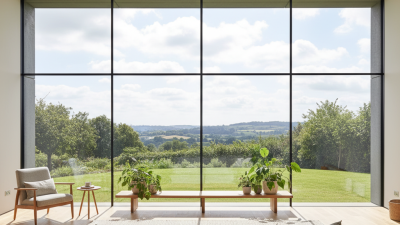
How to Choose Good Windows for Your Home?
Choosing good windows is about more than appearance. The right choice can improve comfort, reduce drafts, and bring useful daylight into a room. A window that looks attractive in a showroom may perform differently beside a windy kitchen or a sunlit bedroom. Small details matter.
Start with your home’s climate, orientation, and existing frames. On a cold morning, notice whether you feel a chill near the glass. In summer, check which rooms become uncomfortably warm. These simple observations can help identify where better insulation, solar control, or weather sealing may be useful. Energy labels and performance ratings offer helpful comparisons, but their meaning can vary by region. Check local guidance, and ask a qualified installer to explain the figures.
Think about glass, frame material, opening style, and maintenance before choosing. Double- or triple-pane glazing may suit different climates and budgets; more layers are not automatically better for every home. Vinyl, wood, fiberglass, and aluminum each have trade-offs in cost, upkeep, appearance, and thermal performance. Consider how often you want to clean or repaint the frames. Also compare warranties and confirm that installation includes careful sealing around the opening.
A low price can be tempting. Yet a poor fit may lead to drafts, moisture, or costly repairs. Measure carefully, ask for written product specifications, and get more than one quote when possible. The decision is rarely perfect on paper. Match the window to the room, your budget, and the conditions you actually experience.
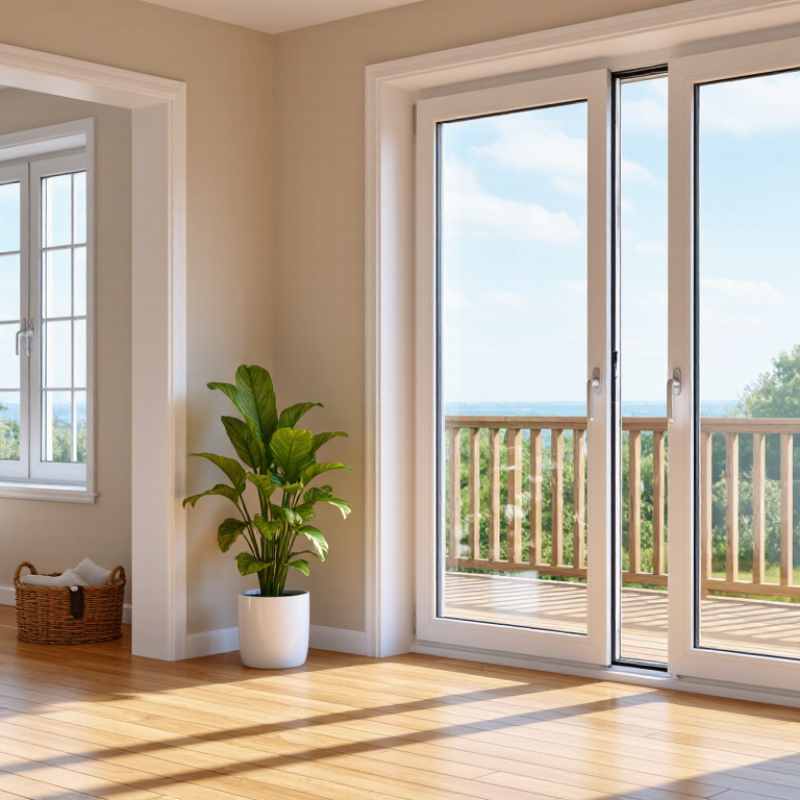
Assess Your Home’s Climate, Layout, and Window Needs
Start with the weather your home actually faces. In a cold climate, low U-factor windows reduce heat loss; in hot, sunny regions, lower solar heat gain coefficient (SHGC) can limit unwanted warmth. The U.S. Department of Energy estimates that heat gain and loss through windows account for about 25–30% of residential heating and cooling energy use. That is a substantial range, not a promise of equal savings in every house.
Then study each room’s orientation and use. A west-facing bedroom may need stronger afternoon sun control, while a dim north-facing kitchen may benefit from more daylight. Check NFRC-certified U-factor and SHGC ratings when comparing options; the National Fenestration Rating Council provides standardized ratings for these performance measures. Ratings help, but they cannot tell you whether a window will create glare on your laptop or a cold draft beside your favorite chair.
Consider the opening, too. A casement window can catch breezes, while a fixed unit may suit a hard-to-reach spot. Measure the frame, note nearby furniture, and think about cleaning access before choosing. Small details matter. I’d also question any choice based on one attractive number alone: shade, air leakage, installation, and local weather all affect results. A quick room-by-room sketch can expose needs a whole-house average misses.
Compare Window Styles and Operating Mechanisms
Choosing a window means comparing both its shape and how it opens. A fixed window has no moving sash, so it usually offers a tight seal and an unobstructed view. Casement windows hinge at the side and crank outward, catching breezes well. Double-hung windows slide vertically and suit rooms where an outward-opening sash would meet a porch or walkway. Small detail, big difference.
The U.S. Department of Energy’s Energy Saver guidance estimates that heat gain and loss through windows account for about 25–30% of home heating and cooling energy use. That figure makes operation worth considering, not just appearance. Sliding windows are easy to operate but may allow more air leakage than well-sealed fixed units. Awning windows hinge at the top and can stay open during light rain, though their projecting sash needs clearance. Check each product’s NFRC-rated U-factor and solar heat gain coefficient; the best combination depends on climate, orientation, and room use.
For a drafty bedroom, a tightly closing casement may feel better than a slider. For a kitchen above a counter, a double-hung sash can be awkward to reach. Try the handle in person, and inspect the weatherstripping and locking points. Ratings help, but installation matters too. I’d be cautious about choosing by style alone; even a good window can disappoint if it is poorly fitted.
Select Frame Materials and Glazing Options
A window frame affects heat loss, maintenance, and how securely the unit fits its opening. Vinyl frames need little upkeep, while wood can be repainted but needs regular attention to moisture. Aluminum is strong and slim, though it can transfer heat unless it includes a thermal break. These materials are not interchangeable. In a damp room, check drainage details and finish quality, not just the frame label. A small installation gap can undermine a good product.
Glazing matters just as much. Double-pane glass usually insulates better than single-pane glass, and low-emissivity coatings can limit unwanted heat gain or loss. Some units use argon between panes to improve insulation; performance depends on the complete window, not one feature. Orientation changes the choice. Strong afternoon sun may call for solar control, while a shaded north-facing room may benefit from maximizing daylight. Numbers matter: compare U-factor and solar heat gain coefficient, rather than relying on vague claims.
Before choosing, consider local weather, room use, and the condition of the existing opening. Check that the window’s performance ratings suit your climate, and ask how the installer will seal the perimeter. A highly efficient unit can still feel drafty if fitted poorly. It is easy to focus on glass specifications and overlook the sill; that detail deserves a second look.
Evaluate Energy Efficiency, Durability, and Maintenance
Choosing windows is a balance between energy performance, lasting construction, and upkeep. The U.S. Department of Energy estimates that heat gain and loss through windows account for about 25–30% of home heating and cooling energy use. That makes the NFRC label worth checking: it lists tested U-factor and solar heat gain coefficient (SHGC). Lower U-factor generally means less heat escapes; the right SHGC depends on your climate, window direction, and shading. A sunny south-facing room may need different glazing from a shaded bedroom. Small details matter.
Durability starts with the frame, glass, seals, and hardware—not appearance alone. Look for clear product performance data on air leakage and water resistance, and check that locks and sashes operate smoothly. Ask how coatings and seals are covered by the warranty. Even a high-performing window can disappoint if installation leaves gaps around the frame. Maintenance is usually simple: clear drainage openings, clean tracks, and inspect caulk and weatherstripping for cracks. That takes minutes. I still find these checks easy to postpone, especially when the glass looks clean. Yet a fogged pane, sticky latch, or damp sill can reveal trouble early. Choose materials suited to local weather, then confirm the care instructions before buying.
Match Window Choices to Your Budget and Installation Plan
Choosing windows is not only a style decision. Your budget should include the frame, glazing, hardware, delivery, and installation—not just the price on the display tag. A low-cost unit can become expensive if it needs extra trim work or does not fit the opening. Measure each opening carefully, and have unusual sizes checked before ordering. Small errors matter.
Match the window type to both the room and the installation plan. A replacement that fits an existing frame may reduce disruption, while a full-frame installation can help address hidden damage or improve the opening. It may also require more labor and interior repairs. Ask installers to explain what their estimate includes, such as disposal, flashing, insulation, and finishing. Get details in writing. Compare like with like.
Think about daily use, too. A kitchen window above a sink should be easy to operate, while a bedroom window may need clear emergency access. Consider drafts, outside noise, cleaning, and the direction sunlight reaches each room. Energy performance depends on the whole window and the quality of installation, not one label alone. I would not choose the most advanced option automatically; sometimes its added cost is hard to justify. Still, skipping a site check to save time can lead to costly surprises.