What Are the Best Types of Double Pane Windows in 2026?

Choosing the best double pane windows in 2026 means looking beyond price and appearance. The right choice depends on your climate, home design, and how each window will be installed. Two panes of glass create an insulating space, but performance varies with glass coatings, spacer design, frame material, and workmanship. Small details matter. Low-E coatings can help manage heat and sunlight, while gas-filled spaces may improve insulation when the seals remain intact. Yet a product label alone cannot promise a comfortable room. Poor installation can leave drafts around even a well-made window.

This guide compares common options, including vinyl, fiberglass, wood, and aluminum frames, alongside practical glass and coating choices. Each has trade-offs. Vinyl is often low-maintenance, while wood offers a distinct interior finish but needs care. Fiberglass can be durable, though availability and cost vary. Aluminum frames have a clean profile, but their thermal performance depends on design. There is no universal winner. A sunny room, a cold bedroom, and a noisy street may call for different features. Look at verified performance ratings, warranty terms, and the installer’s experience—not just advertised savings. Measurements and local conditions matter, too. Some recommendations may sound less exciting than a premium upgrade, but the best window is the one that fits your home and performs reliably over time.
What Are the Best Types of Double Pane Windows in 2026?

How Double-Pane Windows Are Built and How They Work

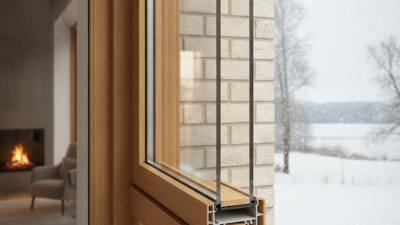
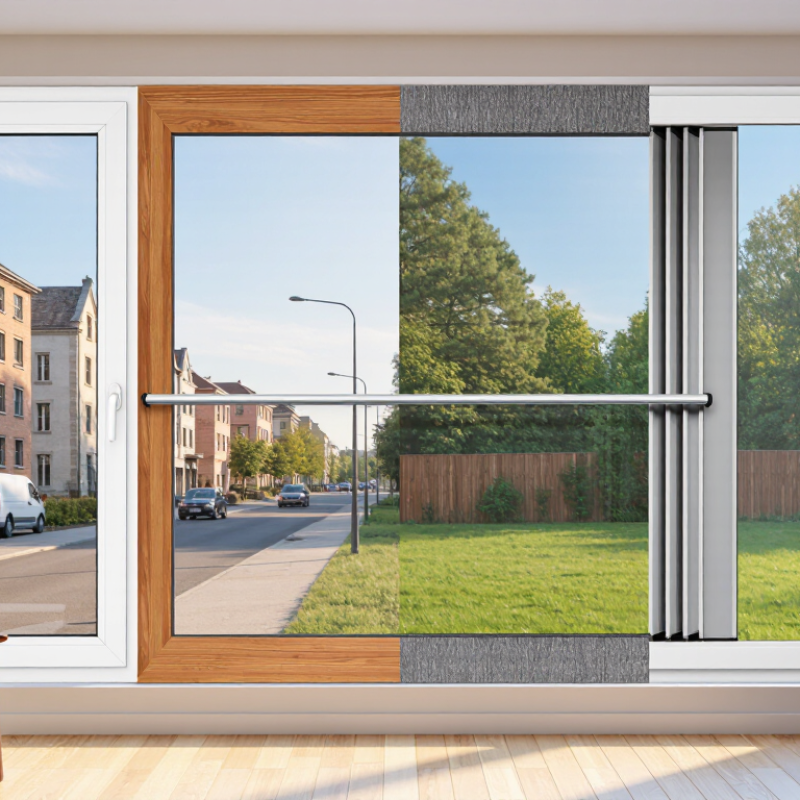
A double-pane window is an insulated glass unit: two panes held apart by a narrow spacer and sealed around the edges. The cavity usually contains dry air or argon, which slows heat transfer. A low-emissivity coating can reflect some radiant heat while still admitting daylight. The spacer and edge seal matter, too; moisture trapped between panes can cause lasting fogging.

The U.S. Department of Energy’s Energy Saver guidance estimates that windows account for about 25–30% of residential heating and cooling energy use. That figure explains why construction details matter, but it does not predict savings for every home. Climate, installation quality, frame condition, and existing insulation all affect performance. A high-rated unit can still disappoint if air leaks around its frame. That part is easy to overlook.

Tips: Check the National Fenestration Rating Council label for U-factor and solar heat gain coefficient (SHGC), then compare ratings for your climate. Lower U-factor generally means better insulation; SHGC indicates how much solar heat enters. Inspect the edge seal and frame before buying. No window stays perfect forever. I’d also question any estimate that promises identical savings in every house.

Key Glass Configurations for Double-Pane Windows in 2026

For double-pane windows in 2026, the glass configuration matters as much as the frame. Two panes create an insulating cavity, but coatings, gas fill, and glass thickness change how the unit performs. Low-emissivity coatings help limit heat transfer while still admitting daylight. Their placement and solar-control level should suit the climate and window orientation. South- and west-facing glass may benefit from lower solar heat gain. A north-facing room may need a different balance.

Details matter.

Argon is a common cavity gas; krypton can suit narrower gaps but often costs more. Warm-edge spacers reduce heat flow around the glass perimeter, a spot that can feel cold on winter mornings. For road noise, an asymmetric pane combination or laminated inner pane may improve sound control.

Results depend on the whole window and installation, not glass alone. A strong specification can still disappoint if the frame leaks air or the unit is poorly fitted. Compare tested U-factor and solar heat gain ratings, then consider the room’s actual exposure.

There is no universal winner.

Even careful choices involve trade-offs between daylight, comfort, cost, and noise reduction.

Frame Materials and Their Effects on Window Performance

Double-pane glass does not perform alone; the frame shapes heat loss, air leakage, and upkeep.

Vinyl frames usually need little maintenance and resist moisture. On a cold morning, though, a poorly made frame may feel drafty around its joints. Check its air-leakage rating, not just the glass description. Vinyl can also expand and contract with temperature, so installation quality matters.

Wood insulates well and gives rooms a warm, finished look. It needs paint or sealant checks, especially near wet sills. Fiberglass tends to hold its shape through temperature swings, but it can cost more. Aluminum is strong and slim, yet conducts heat readily unless it includes a thermal break.

Small detail.

When comparing options, look at the whole window’s U-factor and condensation resistance, plus the spacer and seal details between panes. These ratings vary by product and testing method. A high-performing frame cannot fix a careless installation.

I would not call one material best for every house; shade, weather, budget, and willingness to maintain the frame all change the choice. My judgment may lean too heavily on upkeep, but neglected seals can undermine any frame’s promise.

How to Compare Energy Efficiency, Noise Control, and Durability

What Are the Best Types of Double Pane Windows in 2026?

The best choice depends on your climate, street noise, and maintenance expectations. For energy savings, compare the whole-window U-factor, not just the glass. A lower U-factor generally means less heat escapes. In sunny regions, check the solar heat gain coefficient too; a lower value can reduce unwanted heat, but may also limit useful winter warmth. Low-emissivity coatings and argon gas between panes can improve insulation. Details matter.

For noise control, ordinary double glazing helps, but it will not make a busy road silent. Look for tested sound ratings, such as STC or OITC, and compare complete window units. An acoustic laminated pane or panes of different thicknesses may reduce traffic noise more effectively than two identical panes. A tight installation matters just as much. Even a small gap can let sound leak through.

Durability depends on more than the glass. Vinyl and fiberglass frames need little upkeep; well-maintained wood offers a different look but requires periodic care. Ask about seal and hardware warranties, and inspect samples for smooth operation. Condensation between panes can signal a failed seal. I would not choose by rating alone: a high-performing window installed poorly may disappoint, and the perfect balance can be hard to find.

What Are the Best Types of Double Pane Windows in 2026? — How to Compare Energy Efficiency, Noise Control, and Durability

The ranges below are general comparisons, not product guarantees. Whole-window performance depends on the glass, frame, spacer, seals, window size, and installation. U-factor is shown in U.S. customary units (Btu/h·ft²·°F); lower values indicate better insulation.

Double-Pane Configuration Typical Whole-Window U-Factor Solar Heat Gain Typical Noise Control Durability Considerations Best Suited For Relative Cost
Clear glass with air fill About 0.45–0.55 Usually high; often around 0.55–0.70 SHGC Basic; often around STC 26–30 for a complete window Simple construction, but performance depends on sound seals and the quality of the insulated-glass edge seal. Mild climates, shaded locations, or projects prioritizing a lower initial price. $
Low-E glass with air fill About 0.30–0.42 Varies by coating; commonly selected from moderate to low solar gain Similar to standard double glazing; Low-E coating alone usually makes little difference to sound control. Coating is protected inside the sealed glass unit; overall service life still depends on seal and frame condition. Homes seeking improved heat control without a gas fill. $$
Low-E glass with argon fill About 0.25–0.35 Coating-dependent; can be chosen for higher or lower solar gain Generally similar to other standard double-pane units; argon is primarily an insulation improvement, not a soundproofing feature. Argon retention depends on the edge seal. A failed seal can reduce thermal performance and may cause visible fogging. Many cold or mixed climates where lower heat loss is a priority. $$–$$$
Asymmetric double glazing Often about 0.25–0.40, depending on coatings and frame Depends on the Low-E coating and glass selection Often better than equal-thickness panes; a complete window may fall around STC 30–35. Uses different pane thicknesses to reduce shared vibration patterns; careful sizing and installation are important. Locations with noticeable traffic or neighborhood noise as well as ordinary insulation needs. $$$
Laminated inner pane with an insulated outer pane Often about 0.28–0.42, depending on the full assembly Depends on Low-E coatings and glass specification Often around STC 30–36 for a complete window; results vary with glass thickness, interlayer, frame, and seals. The interlayer holds broken glass together, but it does not make the window unbreakable. Heavier glass requires a suitable frame and hardware. Noise reduction, added glass-retention benefits, or locations where safety glazing is appropriate. $$$–$$$$

Comparison note: U-factor and SHGC values are illustrative ranges for common residential configurations, not ratings for every window in a category. STC figures are also indicative; ask for tested ratings for the complete window assembly. For a fair comparison, check independently certified whole-window ratings, warranty coverage, frame material, air leakage, and installation details.

Choosing the Best Double-Pane Window for Your Climate and Home

What Are the Best Types of Double Pane Windows in 2026?
Choosing the Best Double-Pane Window for Your Climate and Home

Double-pane windows are not one-size-fits-all. The right choice depends on winter temperatures, summer sun, wind exposure, and your home’s insulation. The U.S. Department of Energy’s Energy Saver guidance estimates that windows account for 25–30% of residential heating and cooling energy use. That makes the glass important, but installation matters too.

In cold or windy areas, look for a low U-factor, which indicates less heat transfer. Low-emissivity coatings and argon-filled spaces between panes can help limit heat loss. In hot, sunny climates, a lower solar heat gain coefficient (SHGC) can reduce unwanted heat, especially through west-facing windows. Check the National Fenestration Rating Council label for both ratings; pane count alone tells you little about performance.

Mixed climates call for a balance: a low U-factor with an SHGC suited to your home’s orientation and shade. A south-facing window may welcome winter sunlight, while a west-facing one can become uncomfortably hot by late afternoon. DOE guidance recommends selecting ratings for local climate conditions. Still, the best specification on paper may not fit a shaded, drafty room. Have the opening and surrounding frame assessed before choosing.

Best Double-Pane Window Options for Different Climates in 2026

How to read this chart: Lower U-factor means less heat transfer through the window. These representative whole-window values are illustrative; actual performance varies with frame material, glass, spacer, window size, and testing method. In cold climates, prioritize a low U-factor. In sunny, hot climates, also compare solar heat gain coefficient (SHGC), since lower SHGC can help limit unwanted solar heat.