What Are the 2026 Top Good Windows for Global Buyers?

Choosing the top good windows for global buyers in 2026 requires more than comparing frame colors or glass labels. Climate, building orientation, installation quality, and long-term maintenance can change performance dramatically. A window that works well in a cold Canadian home may overheat a coastal apartment in Southeast Asia. The right choice must fit the building, not merely the catalogue.

Building-science expert Joseph Lstiburek often reminds professionals, “A window is a hole in a wall.” That simple observation deserves attention. Windows must control heat, air, water, sunlight, and noise while preserving daylight. This guide examines practical options, including low-emissivity glazing, insulated frames, solar-control coatings, warm-edge spacers, and tested sealing systems. It also considers U-values, solar heat gain coefficients, air leakage, condensation resistance, and credible product certifications. Numbers matter. Installation matters more than many buyers expect.

Global purchasing also brings uncomfortable questions. Are replacement parts available locally? Can installers follow the manufacturer’s instructions? Will a fashionable panoramic unit remain efficient after years of exposure? These details can separate genuinely good windows from attractive products with weak support. No single model deserves universal praise. That would be convenient, but misleading. Buyers should compare verified test data, warranty terms, environmental conditions, and installer experience before committing. The strongest 2026 choices are likely to balance energy efficiency, durability, comfort, safety, and responsible sourcing. Even this framework has limits, because regional standards and construction practices continue to evolve.
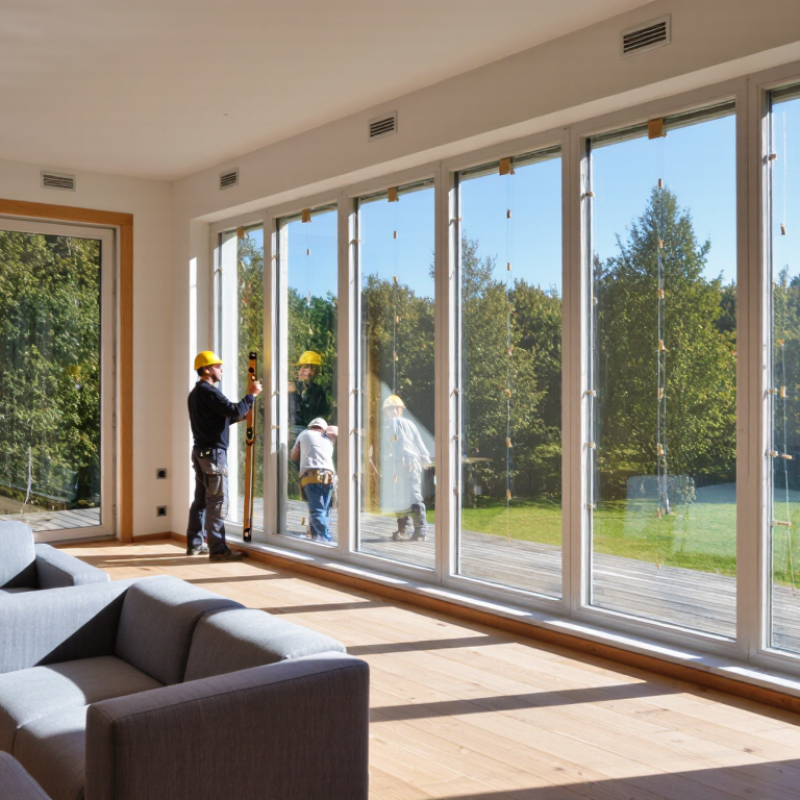
What Are the 2026 Top Good Windows for Global Buyers?

What Makes a Window a Top Choice for Global Buyers in 2026

What Are the 2026 Top Good Windows for Global Buyers?

A top window in 2026 is not defined by appearance alone. Global buyers increasingly assess thermal insulation, airtightness, sound control, durability, and installation support. The right choice depends on climate, building use, local energy costs, and maintenance conditions. Fit comes first. A well-made window can still underperform when the opening is measured poorly or installed without proper sealing.

In project assessments, I look for verified performance data rather than attractive promises. Low U-values can reduce indoor heat loss in cold regions, while suitable solar-control performance helps manage heat in warmer climates. Multi-point locking, reinforced frames, drainage design, and corrosion resistance also matter near coasts or in humid areas. Details matter. Buyers should check independent test reports, warranty terms, replacement-part availability, and compliance with local building requirements.

However, no specification is perfect for every market. A highly insulated frame may cost more and require skilled installation. Advanced glass can improve comfort, but it may increase weight and transportation risks. Even experienced teams sometimes focus too much on laboratory figures. Real performance depends on workmanship, ventilation, shading, and user habits. I would also question unusually low prices, unclear certificates, and warranties with limited international support. A dependable window is practical, repairable, and suited to the building’s actual conditions.

Key Window Types and Their Best Uses

What Are the 2026 Top Good Windows for Global Buyers?

Key Window Types and Their Best Uses

Choosing a window starts with the building’s climate, orientation, and daily use. A sunny coastal home needs different protection than a cold inland office. Local building codes also affect glass thickness, opening size, safety, and energy performance.

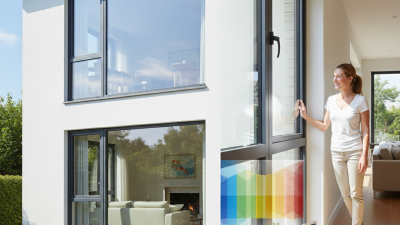
Casement windows suit rooms needing strong ventilation and tight sealing. Their hinged panels catch cross-breezes, making them useful in bedrooms, kitchens, and mild climates. Sliding windows need less exterior space and work well for balconies, compact apartments, and high-traffic areas. However, their seals may require closer inspection in dusty or rainy regions.

Awning windows open outward from the bottom and help ventilate rooms during light rain. They fit bathrooms, basements, and upper-level spaces. Tilt-and-turn windows offer two opening positions, supporting secure ventilation and easier cleaning. They are practical for apartments and modern offices, though their hardware needs accurate installation.

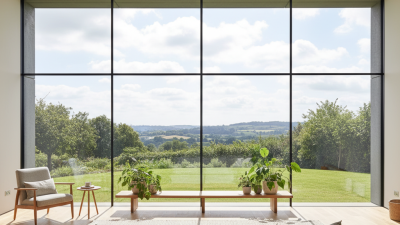
Picture windows provide wide views and strong daylight without opening. Use them in living rooms, showrooms, and quiet corridors. Combine them with operable windows for fresh air. Fixed glass looks simple, but large panels can increase heat gain if shading is ignored.

Laminated glass improves sound control and safety near roads or busy districts. Low-emissivity glazing can reduce heat transfer, but its performance depends on the frame and installation. I have seen attractive windows fail because drainage paths were overlooked. The design looked right. The site conditions were not. Test samples in real weather when possible. 香港马会

What Are the 2026 Top Good Windows for Global Buyers? - Key Window Types and Their Best Uses

A practical comparison of widely used window types, glazing options, climate suitability, and typical performance characteristics.

Window Type Opening Method Best Climate or Location Best Uses Recommended Glazing Typical Whole-Window U-Factor Air-Tightness Potential Main Advantages Important Limitations
Fixed Picture Window Does not open All climates, especially spaces where ventilation is not required Living rooms, panoramic views, stairwells, curtain-wall sections, and daylight-focused façades Double or triple low-emissivity insulating glass; laminated glass where safety or noise control is important Approximately 0.7–1.8 W/m²·K Very high Usually the best air sealing, maximum glass area, strong daylight performance, and fewer moving parts Provides no natural ventilation and may require separate operable windows for fresh air
Casement Window Side-hinged sash opens outward with a handle Cold, mixed, temperate, and windy climates when properly installed Bedrooms, living areas, kitchens, and façades requiring both ventilation and energy efficiency Double or triple low-emissivity insulating glass; warm-edge spacer and inert-gas fill can improve thermal performance Approximately 0.8–1.8 W/m²·K High Compression seals generally provide good resistance to air leakage; sash can direct breezes into the room Projects outward, requires clearance, and may be unsuitable beside narrow walkways or some high-rise applications
Awning Window Top-hinged sash opens outward from the bottom Rainy, temperate, humid, and mixed climates Bathrooms, kitchens, basements, clerestory areas, and ventilation beneath covered exterior spaces Low-emissivity insulating glass; laminated glass may improve acoustic and safety performance Approximately 0.8–1.8 W/m²·K High Can ventilate during light rain and typically seals well when closed Limited opening size, outward projection, and possible interference with exterior shades or nearby structures
Tilt-and-Turn Window Tilts inward from the top or turns inward from the side Cold, continental, temperate, and high-performance residential climates Multi-story homes, apartments, bedrooms, offices, and buildings needing secure ventilation Double or triple low-emissivity insulating glass with insulated frames Approximately 0.7–1.6 W/m²·K High Combines controlled ventilation, easy interior cleaning, strong weather sealing, and flexible operation Usually costs more than basic sliding units and needs interior clearance when fully opened
Horizontal Sliding Window One or both sashes slide horizontally Warm, mild, and moderate climates where simple operation is a priority Rooms facing walkways, compact spaces, rental housing, and areas needing a wide horizontal opening Double low-emissivity insulating glass; solar-control coating may help in hot climates Approximately 1.3–2.4 W/m²·K Moderate Space-efficient operation, easy access, and generally lower purchase cost Sliding seals may allow more air leakage than compression-sealed windows; tracks need regular cleaning
Single-Hung Window Bottom sash moves vertically; upper sash is fixed Warm, mild, and moderate climates Traditional façades, compact rooms, cost-conscious residential projects, and replacement work Double low-emissivity insulating glass; solar-control glass for high-sun exposures Approximately 1.3–2.3 W/m²·K Moderate Simple construction, familiar appearance, and generally lower maintenance than more complex systems Only one sash opens, which limits ventilation and makes exterior cleaning more difficult on upper floors
Double-Hung Window Both upper and lower sashes move vertically Warm, mild, and moderate climates; useful where traditional appearance is desired Residential façades, historic-style buildings, bedrooms, and rooms requiring adjustable airflow Double low-emissivity insulating glass; triple glazing is available for colder regions Approximately 1.2–2.2 W/m²·K Moderate Flexible ventilation, familiar appearance, and convenient cleaning when both sashes tilt inward More moving parts and sliding seals can reduce air-tightness compared with casement or fixed windows
Triple-Glazed Insulating Window Can be fixed, casement, awning, or tilt-and-turn Cold climates, high-altitude locations, and buildings targeting low heating demand Passive-house-style projects, northern residential buildings, offices, and rooms with cold exterior exposure Three panes with two low-emissivity coatings, inert-gas cavities, warm-edge spacers, and insulated frames Approximately 0.7–1.2 W/m²·K Depends on frame and operation Lower heat transfer, warmer interior glass surfaces, improved condensation resistance, and better sound reduction than basic double glazing Higher cost and weight; solar heat gain and frame design must be assessed to avoid excessive summer heat or reduced daylight
Solar-Control Low-E Window Available in most operable and fixed configurations Hot, sunny, subtropical, tropical, and mixed climates with significant cooling demand West- and south-facing façades, offices, conservatories, and buildings with large glazed areas Low-emissivity solar-control glass selected for the façade orientation and local solar exposure Approximately 1.0–2.0 W/m²·K Depends on frame and operation Reduces unwanted solar heat gain, glare, and cooling loads while retaining natural daylight May reduce passive winter heat gains and visible light transmission; glass selection should match orientation
Laminated Acoustic Window Available as fixed, casement, awning, or sliding units Urban, transport-adjacent, coastal, and high-wind locations Bedrooms, schools, hotels, offices, and façades exposed to traffic or construction noise Asymmetric insulating glass with an acoustic laminated pane; low-emissivity coating may be added Approximately 1.0–2.2 W/m²·K Depends on frame and operation Improves sound reduction and holds together when broken; can also provide ultraviolet filtering Higher weight and cost; acoustic performance depends on the entire window, frame, seals, wall, and installation
Impact-Resistant Window Usually fixed, casement, or other tested operating configurations Hurricane-prone, cyclone-prone, and severe-wind coastal regions Coastal homes, high-rise buildings, storm-exposed façades, and buildings requiring enhanced debris protection Impact-rated laminated insulating glass with reinforced frames and tested anchorage Approximately 1.2–2.5 W/m²·K Depends on tested system Improves resistance to wind-borne debris and can provide added security and noise control Heavier and more expensive; performance depends on complete tested assembly and local code requirements
Fiberglass or Reinforced-Composite Frame Window Available in fixed, casement, awning, sliding, and specialty configurations Cold, hot, humid, coastal, and mixed climates Long-life residential and commercial projects where dimensional stability is important Double or triple low-emissivity insulating glass, selected according to climate and orientation Approximately 0.8–1.8 W/m²·K Depends on design and operation Low expansion and contraction, good moisture resistance, and strong thermal performance potential Availability, finish options, and cost can vary by market; frame and installation quality remain critical

Performance note: U-factor values are indicative whole-window ranges in W/m²·K; lower values generally indicate better insulation. Actual results vary according to frame material, glass composition, spacer, size, opening configuration, local test method, and installation quality. Solar heat gain coefficient, visible transmittance, wind-load rating, water resistance, and air leakage should be checked against the applicable local standard.

Selection guidance: For global purchasing, compare independently tested whole-window data rather than glass-only data, and verify local requirements for thermal performance, fire safety, impact resistance, ventilation, egress, and weather exposure.

Energy Efficiency, Materials, and Smart Window Features

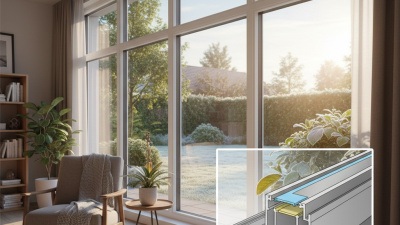
Good windows in 2026 will be judged by performance, not appearance alone. The International Energy Agency reports that buildings consumed about 30% of global final energy in 2022. They also produced roughly 26% of energy-related emissions. High-performance windows can reduce heat loss in winter and solar gain in summer. Low-emissivity coatings, insulated frames, and warm-edge spacers are practical choices for varied climates.

Materials deserve equal attention. The International Aluminium Institute states that recycled aluminium uses about 5% of the energy required for primary aluminium production. This makes recycled content valuable, although transport and manufacturing still add emissions. Timber can offer lower embodied carbon, but moisture protection must be carefully designed. Poor installation defeats good materials. Site inspections often find air leakage around frames, not through the glass.

Smart features are becoming more useful, but buyers should remain cautious. Dynamic glazing can adjust solar transmission, supporting daylight control and cooling management. Department of Energy analyses suggest advanced glazing may lower annual building energy use, depending heavily on climate and controls. Sensors, automated shading, and indoor air monitoring can improve comfort. They also create maintenance needs. A smart window is not automatically a better window. I would request tested U-values, solar heat-gain coefficients, acoustic ratings, and whole-window data before purchasing. Manufacturer claims without independent certification deserve questions.

How to Compare Window Quality, Costs, and Certifications

For 2026, global buyers should compare window quality through measured performance, not appearance alone. The U.S. Department of Energy reports that windows can represent 25–30% of residential heating and cooling energy use. That makes U-factor, solar heat gain coefficient, air leakage, and visible transmittance important cost indicators. Lower U-factor generally improves insulation, while SHGC must match the climate. High solar gain may help cold regions but overheat sunny rooms.

Look for independently verified ratings, such as NFRC-certified U-factor and SHGC data. For international projects, confirm whether testing follows ISO 10077-1 or an equivalent regional standard. Certification is useful. It is not magic. Installation quality still matters. A narrow frame gap, poor flashing, or compressed seal can reduce real performance. The International Energy Agency also emphasizes building-envelope efficiency as a key route to lower building energy demand.

Compare complete installed costs, including glazing, frames, hardware, delivery, labor, maintenance, and local taxes. Ask for a line-by-line quotation. The cheapest offer can look rational. It often is not. A practical comparison should include warranty length, replacement-part access, acoustic ratings, water resistance, and expected service conditions. One weakness remains: laboratory results may not match a windy coastal site or dusty construction area. Buyers should request project references, test certificates, and installation drawings before approving the final specification.

Regional Buying Factors, Installation, and Long-Term Maintenance

What Are the 2026 Top Good Windows for Global Buyers?

Regional Buying Factors, Installation, and Long-Term Maintenance

Global buyers in 2026 should judge windows by climate, not appearance alone. In hot regions, low-emissivity glass, shaded frames, and tight seals can reduce solar heat. Cold areas often need triple glazing and insulated spacers. Coastal homes require corrosion-resistant hardware and careful drainage. Storm-prone locations may need tested impact systems under local building rules. Ask for verified thermal and air-leakage data. Marketing language is not evidence. I have found that a modest frame with correct glass often performs better than an expensive-looking unit. That judgment can change with orientation and ventilation.

Installation quality can decide whether a good window becomes a costly disappointment. Openings should be measured at several points, because older walls are rarely square. Installers should prepare the sill, manage flashing, and keep drainage paths open. Fasteners must match the wall material and approved spacing requirements. Foam alone is not a waterproof installation. Check the interior reveal for drafts after the first cold or windy day. Some buyers overlook glass weight, especially when replacing small panes with larger units. That mistake can strain hinges and delay the project.

Long-term care varies by region and frame material. Clean tracks twice yearly, remove grit, and inspect seals for cracking. In humid climates, condensation deserves attention, not just wiping. Persistent moisture may signal poor ventilation, a thermal bridge, or installation failure. Lubricate moving hardware only with a compatible product. Do not block weep holes with paint or sealant. Keep records. Save invoices, glass specifications, service dates, and installation photographs. I would also budget for seal replacement before failure becomes visible. That is not always necessary, but ignoring it can shorten service life.

What Are the 2026 Top Good Windows for Global Buyers?

Regional buying factors, installation priorities, and long-term maintenance reference

How to read the chart: U-factor measures heat transfer through a window in W/m²·K; lower values generally indicate better insulation. The benchmark values shown are converted from published residential climate-zone efficiency thresholds and are intended as a practical comparison for global buyers. Local building codes may require different limits.

Cold Regions

Prioritize low U-factor glazing, insulated frames, warm-edge spacers, and airtight installation to reduce winter heat loss and condensation risk.

Mixed and Temperate Regions

Balance insulation with solar control. Correct orientation, external shading, and low air leakage can improve year-round comfort.

Hot Regions

Give greater weight to solar heat-gain control, visible-light performance, ventilation strategy, and durable seals suited to high temperatures.

Installation and Maintenance

Verify opening measurements, drainage paths, perimeter sealing, and frame anchoring. Clean tracks and drainage holes periodically and inspect seals, hardware, and weatherstripping at least annually.