How to Choose the Best Thermal Windows for Your Home?
Choosing the right thermal windows for your home involves careful consideration. These windows play a crucial role in energy efficiency and comfort. They can significantly reduce heating and cooling costs. However, not all thermal windows are created equal.
It’s essential to understand materials and insulation properties. Look for windows with a high energy rating. Pay attention to the frame materials, such as vinyl or fiberglass, which offer good insulation. Consider the climate in your area, too. Thermal windows should suit your specific needs.
Think about long-term benefits and upfront costs. Sometimes, investing more initially leads to significant savings later. While many options are available, be wary of overly cheap choices. Reliable thermal windows often have a higher price tag. Yet, their durability and performance can outweigh the initial expense. Emphasizing quality over cost can lead to a more energy-efficient home.
Understanding Thermal Windows and Their Benefits
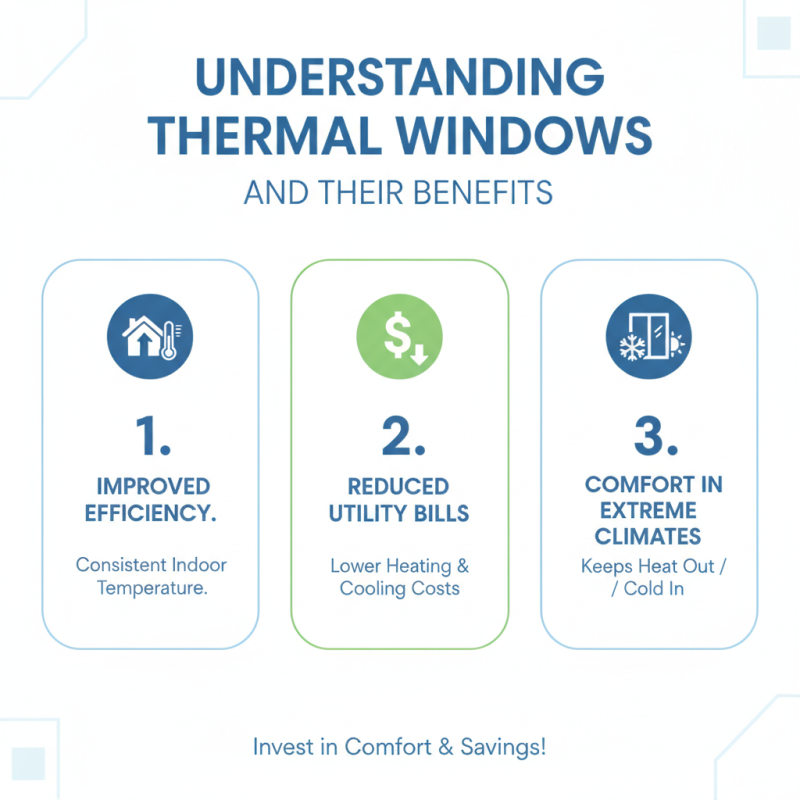
When considering thermal windows, it’s essential to understand their benefits. These windows are designed to improve energy efficiency. They help maintain a consistent indoor temperature, reducing heating and cooling costs. This feature is particularly valuable in extreme climates. Homeowners often notice a decrease in their utility bills after installation.
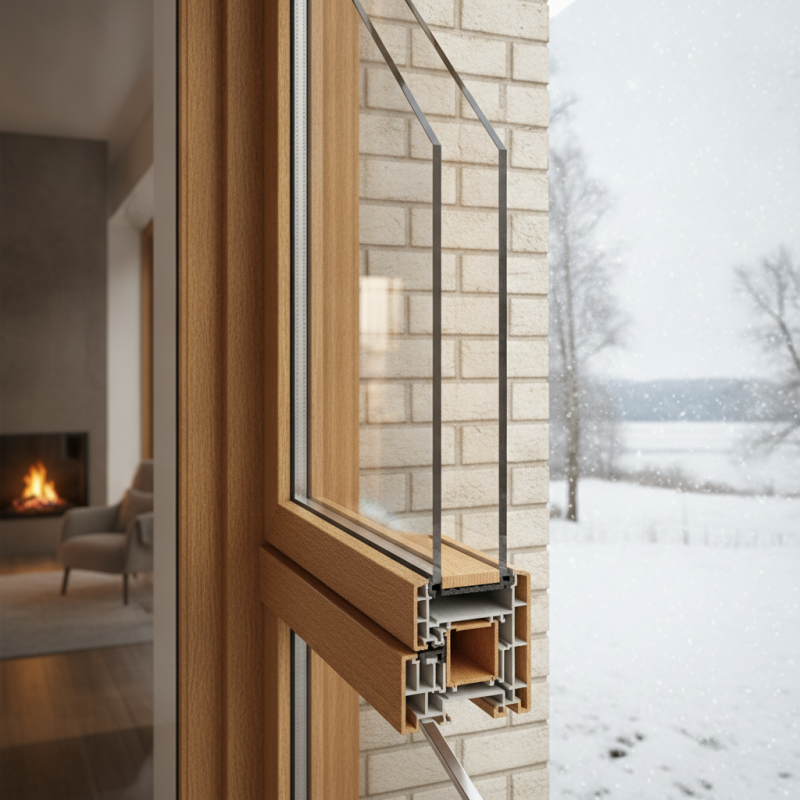
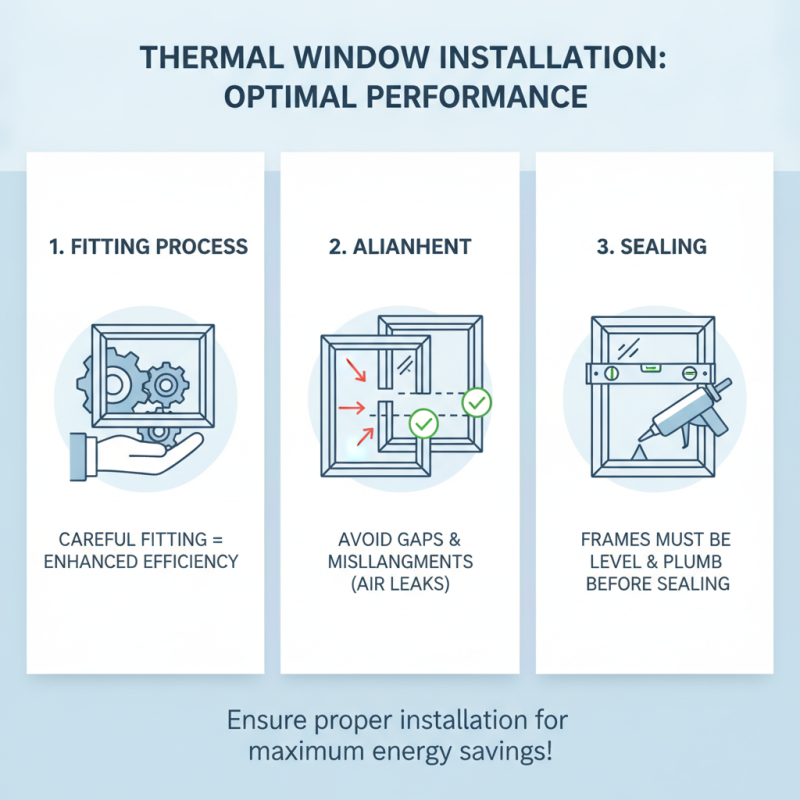
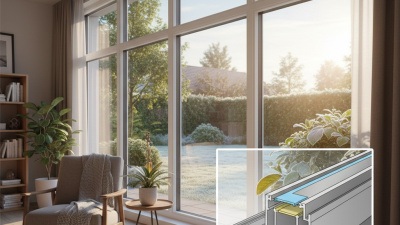
Thermal windows typically consist of multiple panes of glass. Between the panes, an insulating gas fills the space. This design minimizes heat transfer. However, not all thermal windows perform equally. Factors such as frame material and installation quality matter significantly. Poor installation can lead to air leaks, diminishing the window's efficiency.
It’s also worth noting that thermal windows may require a larger initial investment. While this may deter some homeowners, the long-term savings can justify the expense. As long as they are properly maintained, these windows offer lasting benefits. Decision-making should involve careful consideration of your specific needs and circumstances. It’s a journey that requires both research and thoughtfulness.
Evaluating Your Home's Energy Efficiency Needs
When evaluating your home's energy efficiency needs, start by examining your current windows. Older windows often lack insulation. This can lead to significant energy loss and increased utility bills. Check for drafts around the frames. Feel for air leaks during both summer and winter. If your home has single-pane windows, it might be time for an upgrade.
Consider the local climate when selecting thermal windows. In colder areas, triple-pane windows may offer better insulation. In warmer regions, low-emissivity coatings can reflect heat away from your home. Each type of window performs differently based on location. Make sure to research options that align with your specific needs.
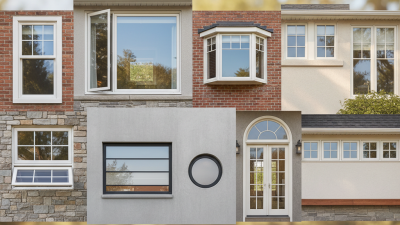
You should also assess the size and style of your windows. Larger windows offer natural light but may compromise energy efficiency. Smaller, strategically placed windows can enhance the home's thermal performance. Be mindful of orientation as well; south-facing windows can harness sunlight. Reflecting on these details can help you make a more informed decision.
Energy Efficiency Needs Assessment for Thermal Windows
This chart depicts the importance of various energy efficiency needs when selecting thermal windows. The criteria evaluated include insulation, UV protection, noise reduction, energy savings, and aesthetics, each rated on a scale from 1 to 10 based on their significance in enhancing home energy efficiency.
Key Features to Look for in Thermal Windows
When selecting thermal windows, consider their energy efficiency. Look for windows with a high R-value. This indicates excellent insulation. Windows with double or triple glazing perform better than single-pane options. The space between panes should be filled with inert gases to reduce heat transfer.
Frame material is another critical factor. Vinyl, wood, and fiberglass each have unique insulating properties. Vinyl frames resist moisture well. Wood provides a classic look but may require more maintenance. Fiberglass offers durability and is resistant to warping. Think about what fits your climate and home design best.
Don’t overlook the importance of the window’s seal. A poor seal can lead to air leaks. This diminishes the effectiveness of the thermal window. Test the seals during installation. Ensure they are tight and expertly applied. Remember, appearance is also important. Choose styles that enhance your home’s aesthetic while providing energy efficiency.
Comparing Different Types of Thermal Window Materials
When choosing thermal windows, the material plays a crucial role. Common options include vinyl, wood, and aluminum. Each material has unique advantages and drawbacks. Vinyl windows are popular for their energy efficiency and low maintenance. They don’t warp and are weather-resistant. However, they may lack the aesthetic appeal that wood provides.
Wood windows offer great insulation and charm. They can be stained or painted to match any home décor. On the downside, they require more upkeep. Regular sealing and painting are needed to prevent rot and damage. Aluminum windows are durable and often more affordable. They can handle extreme weather conditions quite well, but they may not insulate as effectively as wood or vinyl.
It’s important to weigh these factors carefully. Aesthetics matter, but so does energy efficiency. Think about your climate and personal preferences. Consider the long-term maintenance required for wood. Reflect on how often you want to perform upkeep. Your windows should have a balance of form and function.
How to Choose the Best Thermal Windows for Your Home? - Comparing Different Types of Thermal Window Materials
| Window Material |
Insulation R-Value |
Energy Efficiency |
Durability |
Cost per Square Foot |
| Vinyl |
3.0 - 5.0 |
High |
Good |
$30 - $50 |
| Aluminum |
1.0 - 3.0 |
Medium |
Excellent |
$40 - $70 |
| Wood |
2.0 - 4.0 |
High |
Good |
$50 - $100 |
| Fiberglass |
4.0 - 6.0 |
Very High |
Excellent |
$60 - $120 |