10 Tips for Choosing Vinyl Windows

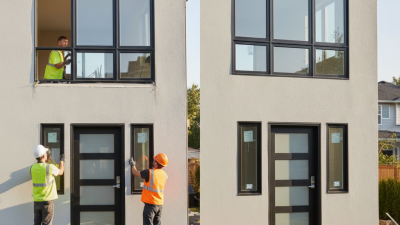
Choosing vinyl windows is not just a matter of comparing colors or advertised prices. The right choice should suit your climate, home, and budget. It should also fit the existing opening correctly. A narrow frame can look sleek in a showroom, yet perform poorly if the installation leaves gaps around the sill.

Building-science expert Dr. Joseph Lstiburek has emphasized a broader principle: a window’s performance depends on the whole assembly, not the product alone. That is worth remembering. The frame matters, but so do the glass package, weather seals, drainage details, and installer’s workmanship. Look closely at the sample. Check how the sash locks. Ask what the warranty covers, and whether it includes labor. Small details count.

This guide’s 10 tips for choosing vinyl windows will help you compare options with clearer questions. You’ll consider energy ratings, glass, frame construction, ventilation, maintenance, and installation. You’ll also learn what to ask before signing a quote. A low price can be tempting. It is not always the best value. And even careful research has limits: product labels do not reveal every detail of a home’s condition. Bring measurements, photos, and questions to a qualified installer. Then compare written estimates, not promises.
10 Tips for Choosing Vinyl Windows

Understand Vinyl Window Types and Set Project Priorities

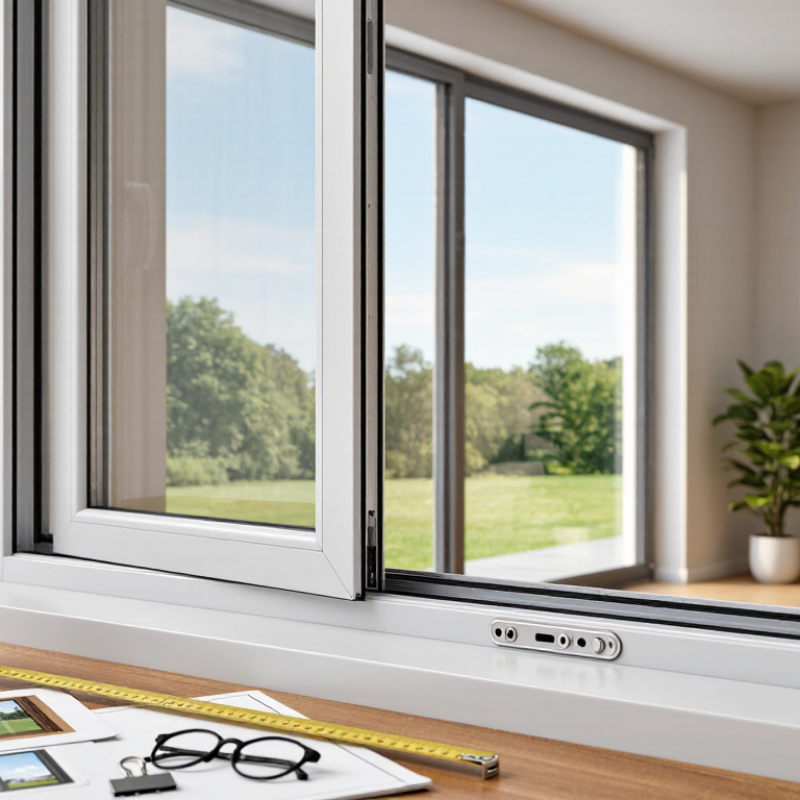
Vinyl windows come in several operating styles, and each suits a different room. Single-hung and double-hung windows slide vertically; the latter lets both sashes move for more flexible ventilation. Sliding windows open sideways and work well where an outward-swinging sash might hit a walkway. Casement windows crank open, while fixed picture windows do not open at all. Small details matter. Check how each style affects cleaning, airflow, furniture placement, and emergency access.

Set priorities before comparing options. In a cold or windy area, ask for tested air-leakage and water-resistance ratings, and compare the glazing options. For bedrooms or kitchens, ventilation may matter more than a large uninterrupted view. Measure the existing opening carefully, but leave installation clearances to a qualified installer; a tight fit can cause trouble as vinyl expands and contracts with temperature changes. Measure twice.

Budget needs a little honesty. A low purchase price may not include removal, trim, or interior repairs. I’d be tempted to focus on frame color, too, but it won’t fix a drafty installation. Get itemized estimates, confirm who handles sealing and cleanup, and ask how the window’s performance was tested. One thing is easy to overlook: the best style on paper may feel awkward when you reach it from inside.

Match Window Styles to Room Layouts, Ventilation, and Climate

Start with the room’s shape, not a catalog photo. In a narrow kitchen, an outward-opening casement can catch breezes, while a slider keeps its sash clear of taps and dishes. A high awning window can bring fresh air into a bathroom while preserving privacy. Check screens, furniture, and emergency access before ordering. Small details matter.

Climate changes the choice. The U.S. Department of Energy’s Energy Saver guidance estimates that

windows account for 25–30% of residential heating and cooling energy use.

That range makes glass performance worth checking, not just style. Compare NFRC-certified U-factor and solar heat gain coefficient (SHGC): U-factor measures heat transfer, while SHGC indicates how much solar heat enters. In cold, sunny rooms, some solar gain may be welcome; in hot, sunny rooms, a lower SHGC can help limit overheating.

For cross-ventilation, operable windows on opposite walls can help move air through a room. Still, open windows are not a complete ventilation plan. ASHRAE Standard 62.2 sets whole-home ventilation requirements, and outdoor noise, smoke, or humidity may keep windows shut. That trade-off is easy to underestimate.

Compare Frame Quality, Glass Options, Energy Ratings, and Noise Control

Inspect frame corners and sample joints for smooth welds, even seams, and a firm feel. Ask whether reinforcement is used in larger frames; a wide window can flex more than a small sample suggests. Compare frame depth and internal chambers, but do not assume more chambers always mean better performance. Details matter.

For glass, compare low-emissivity coatings, gas fills, and pane counts. Match these options to your climate and window orientation: strong afternoon sun may call for different glass than a shaded north-facing room. Check the whole-window U-factor, solar heat gain coefficient, and air-leakage rating, not just a glass-center figure. Ratings help, but installation quality and careful sealing also affect real-world comfort. Ask how the figures were tested, and keep the product documentation.

For street-facing rooms, compare sound-transmission ratings and look for laminated glass or differing pane thicknesses. These can reduce some outside noise, though no window blocks every sound. Noise is complicated. A tight frame and well-sealed installation matter, too. If possible, visit a nearby home with similar windows during a busy hour; product labels cannot tell you how traffic will sound in your room. It is easy to overvalue a single rating, so compare the details together.

10 Tips for Choosing Vinyl Windows

Compare frame quality, glass options, energy ratings, and noise control—not just the price.

How to use this chart: These indicative ranges show that triple-pane low-e argon glazing can achieve lower whole-window U-factors than double-pane glazing. Actual ratings vary with window size, frame design, spacer, and glass coatings. Check the product’s NFRC label and compare U-factors; lower values indicate better insulation. Also inspect frame construction and reinforcement, choose glass options suited to your climate, and look for published STC or OITC ratings if noise control matters. Higher STC or OITC ratings indicate better sound reduction.

Check Measurements, Installation Standards, and Warranty Coverage

Before ordering vinyl windows, measure every opening at the top, middle, and bottom. Openings can be uneven, even when the trim looks straight. Use the smallest width and height, then check the depth and sill condition. Note whether existing trim or siding affects installation space. One careful measurement can feel convincing; it still may miss a gap or an out-of-square corner.

Tip: Label each set of measurements by room, and take a photo of the opening. Ask the installer how they will confirm the rough opening before setting the window.

Proper flashing, fastening, insulation, and sealing help manage water and air leaks. Check that the work follows applicable local building requirements and the window maker’s installation instructions. A foam-filled gap alone is not a substitute for correct flashing.

Read the warranty before you commit. Check what it covers, how long coverage lasts, and whether labor, glass, hardware, or installation are excluded. Ask what documentation you should keep, such as the invoice and installation records. Terms can be easy to skim past. If a clause is unclear, request a plain-language explanation in writing; a verbal assurance may not match the written coverage.

Compare Total Costs, Supplier Credentials, and Final Quotes

Tip 1: Compare the full installed cost, not just the price per window. Ask whether each quote includes measuring, delivery, removal of old frames, flashing, trim, and cleanup. A low base price can grow quickly when these items appear later. Small details matter. Check whether taxes or disposal fees are listed, too.

Tip 2: Check the supplier’s credentials and who will do the work. Ask for proof of insurance, relevant local registration, and references for similar installations. Confirm whether the supplier or installer handles service calls and warranty claims. A polished showroom is not proof of careful installation. I would not assume those responsibilities are shared; get them in writing.

Tip 3: Compare final quotes line by line using the same window specifications. Match frame color, glass package, screens, hardware, and installation scope. Ask what is excluded, how changes are priced, and how long the quote remains valid. A clear payment schedule helps prevent surprises. If one quote is much lower, ask what is missing before choosing. I might still overlook a small fee, so review the figures once more before signing.

10 Tips for Choosing Vinyl Windows - Compare Total Costs, Supplier Credentials, and Final Quotes

Tip What to Compare Useful Data or Check How to Use It
1 Compare complete project costs, not just window prices Example for the same 10-window project: Quote A totals $10,706; Quote B totals $11,240; Quote C totals $12,080. These are illustrative figures, not market-price benchmarks. Compare each written total after adding installation, disposal, trim work, permits, taxes, and any stated allowances.
2 Make sure every supplier is pricing the same scope Use one shared schedule listing 10 openings, each window's type and measured dimensions, glass options, interior/exterior finish, and installation method. Ask each supplier to identify exclusions and assumptions. A quote for insert replacement is not directly comparable to one that includes removal to the rough opening.
3 Check the NFRC energy-performance label Compare U-factor and Solar Heat Gain Coefficient (SHGC) for the exact proposed configuration. For example, a U-factor of 0.27 indicates less heat transfer than 0.30; a lower SHGC admits less solar heat. Choose values suited to your climate, orientation, and local code requirements. Confirm ratings apply to the quoted size and glass package, not just a different sample configuration.
4 Review glass and spacer specifications Record the number of panes, low-emissivity coating, gas fill if specified, spacer type, and any safety-glazing locations. Request the exact written specification for every window. Check local requirements for safety glazing near doors, tubs, stairs, and other regulated locations.
5 Verify supplier and installer credentials Check applicable state or local contractor licensing, current liability insurance, workers' compensation coverage, and relevant installation training or certifications. Verify credentials with the issuing agency or insurer where possible. For homes built before 1978, ask how the contractor will comply with applicable lead-safe renovation rules.
6 Inspect measurement and installation plans Ask who takes final measurements, when they are taken, and how the installer will address out-of-square openings, hidden damage, flashing, and water management. Have the responsible installer confirm measurements before production. Require any extra-work process and approval steps to be described in writing.
7 Compare warranties by coverage, not headline length Review separate written terms for frame, insulated glass, hardware, labor, and installation. Note duration, transferability, exclusions, and claim procedures. Ask whether labor and removal/reinstallation are covered if a product defect occurs. Keep the warranty documents with the final invoice and product schedule.
8 Check product identification and ratings Request the product line, operating style, size, NFRC label details, and any applicable certification or code documentation for the quoted units. Match documentation to the actual order. Do not rely on a showroom sample or generic brochure if the quote specifies a different configuration.
9 Read the payment schedule and change-order terms Confirm the deposit, progress payments, final payment trigger, cancellation terms, and written approval process for changes or concealed damage. Compare the schedule with local consumer-protection rules. Avoid paying the full balance before the agreed installation and inspection work is complete.
10 Get a complete final quote before signing The final document should state quantities, dimensions, specifications, itemized costs, total price, estimated timeline, cleanup, disposal, warranty documents, and exclusions. Ask for revisions in writing and keep a signed copy. Confirm that any verbal promises about repairs, schedule, or performance appear in the contract.

Note: The quote totals above are illustrative examples for comparison only. Actual costs, code requirements, ratings, and warranty terms vary by location, opening conditions, product configuration, and project scope.