Vinyl windows are made with durable PVC frames and insulated glass, offering a practical alternative to wood, aluminum, and fiberglass. Their smooth surfaces resist moisture, peeling paint, and common household corrosion. They also come in several colors, opening styles, and glass packages. That flexibility makes vinyl windows popular in new construction and home renovations.
Still, “worth it” depends on the home, climate, budget, and installation quality. A well-built window can reduce drafts, soften outdoor noise, and make rooms feel more comfortable. However, the frame alone does not create efficiency. Low-E glass, gas-filled panes, proper flashing, and accurate measurements matter just as much. Small gaps around the frame can waste energy, even when the window carries an impressive rating.
Look closely.
Experienced installers usually inspect the wall opening before recommending a replacement. They check moisture damage, sill condition, drainage paths, and the existing trim. These details are easy to overlook during a showroom visit. A cheaper window may appear economical, but weak hardware or poor installation can create problems within a few seasons. On the other hand, premium features may cost more than the energy savings justify.
This guide explores how vinyl windows work, where they perform well, and where they disappoint. It also considers maintenance, appearance, lifespan, resale value, and regional weather. The answer is not universally positive. Some homeowners value low maintenance above all else, while others prefer the character of natural wood. A careful decision compares the full installation cost, not just the window price.
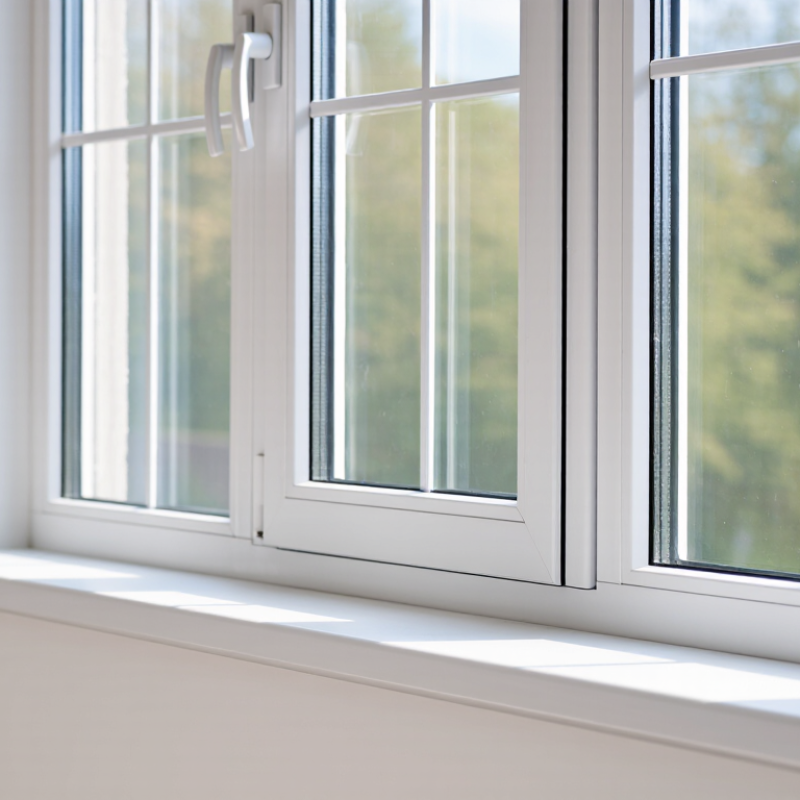
Vinyl windows are windows made mainly from polyvinyl chloride, commonly called PVC. The material starts as a fine powder or small pellets. Manufacturers blend it with stabilizers, colorants, and impact modifiers. These additives help the frame resist sunlight, heat, moisture, and cracking. Vinyl does not need routine painting. That distinction matters.
The mixture is heated and pushed through a shaped opening in an extrusion machine. This creates long hollow profiles for the frame and sash. Internal chambers improve stiffness and slow heat transfer. Workers cut these profiles to size, then fuse the corners with controlled heat. The welded joints should look clean and even. Reinforcing metal may be added when larger windows need extra strength. Glass panels, spacers, seals, locks, and drainage openings are installed afterward.
A quality review should examine more than appearance. Check whether the sash closes evenly and whether the frame feels rigid. Proper installation also matters. Even a well-made window can leak air if the opening is poorly measured or sealed. Vinyl expands and contracts with temperature, so installers need suitable clearances. Recycled PVC content can reduce material waste, but its amount and quality vary. Some frames may discolor or become brittle over many years, especially in severe sunlight. Performance depends on the window design, glass package, climate, and installation details—not vinyl alone.
Vinyl windows use durable PVC frames around insulated glass. They resist moisture, peeling, and routine corrosion. Many homeowners choose them for low maintenance and predictable costs. However, frame quality varies. Thin profiles may flex, especially in wide openings.
Double-hung windows have two sliding sashes, making cleaning easier from indoors. Single-hung designs open only at the bottom.
Casement windows swing outward with a crank and often provide strong ventilation. Sliding windows move horizontally and suit wider walls.
Picture windows stay fixed, offering clear views but no airflow. Awning windows hinge at the top and can remain open during light rain.
Look closely at the features, not only the appearance. Multi-chamber frames can improve stiffness and insulation. Reinforcement may matter for large units. Double-pane glass is common, while triple-pane glass offers greater insulation at added weight and cost. Low-E coatings help control heat transfer. Argon-filled spaces can improve thermal performance. A lower U-factor usually indicates better insulation. Solar heat gain should match the local climate.
Installation affects real performance. Poor shimming can cause drafts, sticking, or water entry. I have seen attractive windows perform badly because the opening was measured carelessly. Inspect the drainage paths and weather seals. Ask for performance ratings and written installation details. A slight frame color mismatch is easy to accept; persistent air leakage is not.
Vinyl windows are made from durable PVC frames, often chosen for their practical everyday performance. In a lived-in home, they open smoothly, close firmly, and need little more than occasional cleaning. Their sealed frames can reduce drafts around the glass, especially during cold or windy weather. On a winter morning, the inner frame usually feels less cold than older metal frames. That difference can make a room more comfortable near the window.
They also handle routine moisture well. Wiping dust, fingerprints, and light condensation is generally simple. However, vinyl windows are not maintenance-free. Poor installation can leave gaps, allowing air and water to enter around the frame. Condensation may still appear when indoor humidity is high. I have found that a window can perform well while its locks or rollers slowly become stiff. Small parts matter.
Vinyl frames usually resist peeling and do not require regular painting. Yet intense sunlight and extreme temperature changes may cause gradual fading or expansion. A cheaper frame may also feel less rigid when opened. This is where careful inspection matters. Look for tight corners, smooth hardware, balanced sashes, and clean drainage openings. Good glass improves insulation, but skilled installation remains just as important. The material is practical, though not perfect.
| Performance Dimension | Typical Vinyl Window Performance | Everyday Benefit | Important Consideration |
|---|---|---|---|
| Frame Material | Extruded or molded PVC, commonly made with multi-chamber profiles and welded corners. | Provides a low-maintenance frame that does not require routine painting or sealing. | Quality varies with wall thickness, reinforcement, corner construction, and installation. |
| Thermal Insulation | Typical whole-window U-factors are approximately 0.25–0.40 Btu/h·ft²·°F, depending on glazing and frame design. | Can reduce heat transfer and help rooms feel more comfortable near the window. | Lower U-factor values generally indicate better insulation; compare complete-window ratings, not glass-only ratings. |
| Glazing Options | Double-pane insulated glass is common; triple-pane units can provide greater insulation where climate and budget justify them. | Improves indoor temperature stability and can reduce drafts caused by cold glass surfaces. | More panes add weight, cost, and frame requirements. |
| Solar Heat Control | Typical SHGC values range from about 0.25 to 0.60, depending on the glass coating and climate target. | Can limit unwanted summer heat or admit useful winter sunlight when correctly selected. | A lower SHGC is often useful in hot, sunny conditions; colder climates may benefit from a higher value on suitable exposures. |
| Air Leakage | Certified products are tested for air leakage; lower ratings indicate tighter performance. Many efficient units are rated at or below 0.30 cfm/ft². | Helps reduce noticeable drafts and uncontrolled outdoor air entering the home. | Poor installation, damaged weatherstripping, or an uneven opening can reduce real-world performance. |
| Water Resistance | Designed with drainage paths, weep holes, seals, and sill details to manage incidental water. | Helps protect interior finishes during normal rain and wind exposure. | Water performance depends heavily on flashing, sill preparation, exterior drainage, and installation quality. |
| Noise Reduction | Standard insulated glass offers moderate sound improvement; laminated glass and wider air spaces can perform better. | May reduce traffic, wind, and neighborhood noise compared with older single-pane windows. | Sound performance should be compared using an STC or OITC rating where available. |
| Maintenance | Usually requires periodic cleaning, track clearing, hardware checks, and inspection of seals and drainage openings. | Does not normally require scraping, sanding, or repainting of the frame. | Dark colors and strong direct sunlight can increase heat exposure and potential expansion-related movement. |
| Durability and Service Life | A properly installed, well-maintained vinyl window may commonly serve for about 20–40 years, although conditions vary. | Provides long-term use without regular frame refinishing. | Seal failure, hardware wear, extreme temperatures, ultraviolet exposure, and installation defects can shorten service life. |
| Condensation Behavior | Improved glazing and warm-edge spacers can reduce interior glass condensation, but cannot eliminate it in all conditions. | Can help maintain clearer glass and reduce moisture around the window during cold weather. | Indoor humidity, ventilation, curtains, and exterior temperature strongly affect condensation. |
| Installation Difficulty | Suitable for replacement projects when openings are sound; full-frame installation may be required when surrounding materials are damaged. | Replacement work can improve comfort without necessarily removing all exterior wall materials. | Accurate measurement, shimming, fastening, insulation, flashing, and sealing are essential. |
| Relative Cost | Often positioned in the low-to-middle portion of the replacement-window market, with costs varying by size, glass, operation, labor, and site conditions. | Can offer a practical balance between initial cost, energy performance, and maintenance needs. | The lowest purchase price may not provide the best long-term value if energy ratings, durability, or installation quality are limited. |
| Environmental Considerations | PVC frames are durable and can reduce operational energy use when they replace inefficient windows; recycling availability varies by location. | Long service life and improved efficiency can reduce replacement frequency and heating or cooling demand. | Consider local recycling programs, product longevity, and energy performance rather than material type alone. |
Overall assessment: Vinyl windows are often worth considering when low maintenance, reliable weather resistance, and balanced energy performance are priorities. Final value depends on the window’s certified ratings, climate, installation quality, and expected service life.
Note: Performance ranges are general industry-oriented values. Actual results vary by window configuration, climate, building orientation, installation method, and maintenance.
What Are Vinyl Windows And Are They Worth It?
Vinyl windows use rigid PVC frames around insulated glass. They are popular because they balance cost, comfort, and simple maintenance. Their smooth surfaces resist peeling, rotting, and moisture damage. A damp cloth usually removes ordinary dust and grime. Modern insulated units can also reduce drafts, especially when installation is properly sealed.
The benefits are practical. Vinyl frames do not require regular painting, and many include multiple chambers for better thermal performance. They can make older rooms feel quieter and less chilly near the glass. However, performance depends on more than the frame. Glass coatings, spacers, weather seals, and installation quality matter greatly. A poorly fitted window can waste energy, regardless of its material.
Limitations deserve equal attention. Vinyl can expand and contract during extreme temperature changes, which may stress seals over time. Darker colors may absorb more heat and require careful selection in sunny climates. Damaged frames are often difficult to repair invisibly. Some homeowners also dislike vinyl’s thicker appearance compared with slimmer metal or wood profiles. That concern is subjective, but it matters inside a carefully designed home.
The cheapest option is not always the best value. I would compare verified thermal ratings, drainage details, warranty terms, and installer experience. Local climate should influence the decision. Coastal moisture, severe cold, and intense sunlight can expose weaknesses faster. Vinyl windows are often worthwhile, but only when their limitations fit the building and the owner’s expectations.
Vinyl windows use rigid PVC frames. They are popular because they offer low maintenance, good moisture resistance, and relatively low heat transfer compared with metal frames.
Material-level thermal conductivity values are representative engineering values in W/m·K. Lower values generally indicate less heat conduction through the frame material. Actual window performance also depends on glazing, air leakage, frame design, installation, and weather conditions.
Are they worth it? Vinyl windows are often a practical choice when low maintenance, moisture resistance, and balanced energy performance are priorities. Before buying, compare the whole-window U-factor, solar heat gain coefficient, air-leakage rating, warranty terms, and installation quality rather than judging the frame material alone.
Vinyl windows are made with durable PVC frames and insulated glass. They resist rot, peeling, and routine repainting. In many homes, that lower maintenance makes them appealing. However, value depends on your climate, wall condition, and installation quality.
Start with your energy needs, not the frame color. Ask for the window’s U-factor and solar heat gain coefficient. A lower U-factor usually means better insulation. In hot regions, a lower solar heat gain value may reduce indoor heat. Check the glass, seals, drainage holes, and locking hardware in person. Small construction details matter.
Installation can decide everything. A well-made window may perform poorly when the opening is measured incorrectly. Look for an installer who explains flashing, shimming, insulation, and water management. Request written labor coverage and product terms. Keep the paperwork.
Vinyl windows are often worth considering for rental properties, starter homes, and busy households. They can reduce drafts and simplify upkeep. They may not suit every historic property or design preference. Some frames look bulky, and low-quality vinyl can discolor or warp in harsh conditions. I would not call them perfect. Compare at least three detailed quotes, then inspect an installed project if possible. Your budget may favor vinyl today, but long-term repair access deserves equal attention.