
How to Choose the Best Thermal Windows?
Choosing thermal windows is not just a matter of buying the highest-rated glass. The right choice depends on your climate, home design, frame material, and installation quality. A window that performs well in a cold mountain town may be less suitable for a humid coastal home. Small details matter: the direction a window faces, winter drafts near a sofa, and summer sun on a bedroom floor.
Architect Carl Elefante’s well-known reminder is, “The greenest building is the one that is already built.” It offers a useful perspective when considering window upgrades: improving existing homes can reduce energy waste without treating replacement as the only answer. Before shopping, check for air leaks and damaged seals. A repair may solve the problem. Sometimes it will not.
This guide explains how to compare whole-window U-factor and solar heat gain coefficient, rather than relying on glass-only claims. It also covers glazing, gas fills, frame choices, warranties, and installation questions to raise with a qualified contractor. Look for independently verified performance ratings, and compare products under the same rating system. Numbers help. They do not tell the whole story. Local weather, shading, and careful installation can change how thermal windows feel in daily use. Even a strong rating cannot promise a quiet, comfortable room if the window is poorly fitted. That part deserves a second look.
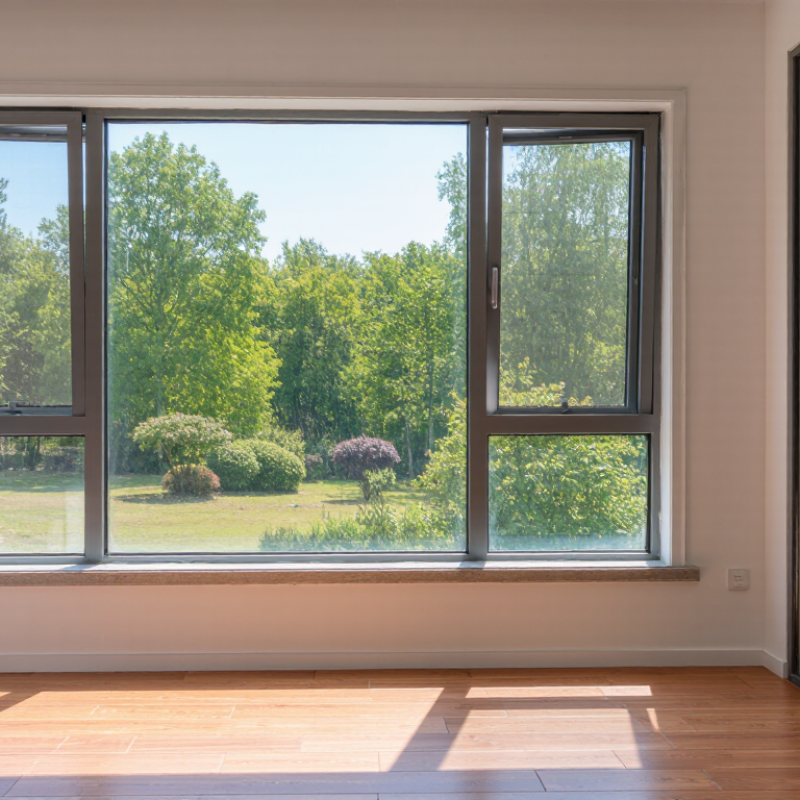
Identify Your Climate, Comfort Needs, and Budget
Your climate should guide the glass, not just the product label. In cold regions, a lower U-factor generally means less heat escapes through the window. In hot, sunny areas, a lower solar heat gain coefficient can help limit afternoon overheating. The right balance depends on your home’s orientation, shade, and local weather. A south-facing room with bare floors may collect much more sun than a shaded north-facing room. That matters.
Comfort is more than a temperature reading. On a winter morning, a cold pane can make a chair beside the window feel unpleasant, even when the room thermostat looks fine. Look for well-sealed frames and warm-edge spacers, and check that installation prevents drafts. Ask for performance ratings from a recognized independent testing program. Numbers help, but they do not guarantee careful installation.
Set a budget that includes fitting and likely energy savings, not glass alone. Compare quotes for the same window size and performance ratings. If funds are limited, replacing the draftiest windows first may be more practical than upgrading every opening at once. It is easy to overvalue premium features before checking where the discomfort actually comes from. A leaky frame, poor shading, or an uninsulated wall may be part of the problem. A local energy assessment can help identify the best next step.
How to Choose the Best Thermal Windows? - Identify Your Climate, Comfort Needs, and Budget
| Climate or Situation | Main Comfort Goal | Useful Performance Targets | Window Features to Consider | Budget Guidance | What to Check Before Buying |
|---|---|---|---|---|---|
| Cold winters Long heating season, frequent freezing temperatures |
Reduce heat loss and cold drafts; keep interior glass more comfortable in winter. | Look for a low U-factor. A whole-window U-factor around 0.25 or lower is a useful target where available. A higher SHGC can help admit winter sun on suitable, unshaded exposures. | Well-sealed double-pane or triple-pane glazing; low-emissivity coating; insulated frames; warm-edge spacers; professional air sealing. | Mid to high. High-performance double glazing may be a practical balance; triple glazing can be worth considering in very cold locations or for particularly exposed rooms. | Compare whole-window ratings, not center-of-glass figures alone. Check installation details and air-leakage ratings as well as glass specifications. |
| Hot, sunny summers Strong sun and high cooling demand |
Limit solar heat gain, glare, and overheating while maintaining useful daylight. | Choose a low SHGC, especially for sun-exposed windows. A whole-window U-factor around 0.30 or lower is a useful starting point in many applications. | Low-solar-gain low-emissivity glazing; exterior shading or overhangs; tightly sealed frames; suitable solar-control glass. | Moderate to high. Prioritize solar control on the most exposed windows; shading can sometimes improve comfort without replacing every window. | Consider window orientation and exterior shade. A low SHGC can reduce winter solar warmth, so compare it with your heating needs. |
| Mixed or four-season climate Both heating and cooling seasons matter |
Balance winter heat retention with summer solar control. | Compare both U-factor and SHGC. A U-factor around 0.30 or lower and a moderate SHGC can be a reasonable starting point; the best values depend on orientation and local conditions. | Low-emissivity double glazing; insulated, well-sealed frames; glazing selected for each exposure where practical. | Moderate. Quality double-pane windows often offer a useful balance of upfront cost and year-round comfort. | Use local energy guidance and compare complete-window ratings. South-, east-, and west-facing windows may have different solar-control needs. |
| Mild climate Limited temperature extremes |
Improve comfort, reduce drafts, and avoid paying for performance that offers little benefit. | Choose ratings suited to local code and conditions. A moderate U-factor and SHGC may be sufficient; airtightness and installation quality remain important. | Double-pane glazing; durable frame material; reliable weatherstripping; appropriate glass for privacy, noise, or sun exposure. | Low to moderate. Focus on sound construction and correct installation before paying extra for triple glazing. | Identify the problem the replacement is meant to solve. If drafts are the main issue, inspect the frame, seals, and surrounding wall as well. |
| Cold rooms, large windows, or comfort-sensitive occupants Any climate with noticeable drafts or uneven temperatures |
Reduce cold radiant surfaces, drafts, and temperature swings near the window. | Favor a lower whole-window U-factor and good air-leakage performance. Select SHGC according to sun exposure and heating or cooling priorities. | Higher-performance glazing; insulated frames; careful sealing; correctly sized windows; suitable curtains or exterior shading. | Moderate to high. Consider upgrading the windows that cause the greatest discomfort first rather than replacing all units at once. | Check for leaks around the existing frame and verify that the proposed installation will address them. Window replacement alone may not fix insulation problems in the wall. |
How to read the ratings: U-factor measures heat flow; lower values generally mean better insulation. SHGC measures how much solar heat passes through; lower values reduce solar heat gain. Ratings and code requirements vary by location, window size, and product. Compare certified whole-window ratings and confirm local requirements before purchase.
Related Posts
-

Innovation in Home Windows Industry at 2025 China Import and Export Fair
-
Top 10 Benefits of Thermal Windows for Energy Efficiency and Comfort?
-
Top 10 Home Windows Styles for Your Next Purchase?
-

What Are the Best Window Deals for Home Improvement in 2023
-
What Are the Best Types of Double Pane Windows in 2026?
-
What are the Benefits of Double Hung Windows for Your Home?