How to Choose the Best Home Windows Replacement Options?
Choosing the right home windows replacement can be a daunting task. With many options available, homeowners often feel overwhelmed. It’s essential to prioritize both aesthetics and functionality for the best outcome. Windows are not just openings; they influence energy efficiency and comfort.
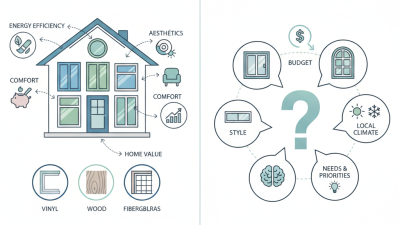
When evaluating options, consider materials such as wood, vinyl, or fiberglass. Each has unique benefits and drawbacks. Your choice affects insulation and maintenance needs. In addition, think about style and how it fits your home’s architecture. Poor choices can lead to costly mistakes down the line.
Researching brands and product reviews is vital. Reliable information helps assure you invest wisely. Consulting experts can guide you through the myriad of choices. Remember, the final decision should reflect your needs and preferences for home windows replacement.
Understanding Different Types of Window Replacement Options
When considering window replacement, understanding the types available is key. There are several options, each with unique benefits and drawbacks. For instance, vinyl windows are known for their energy efficiency and low maintenance. According to the U.S. Department of Energy, they can reduce energy costs by up to 25%. However, they may not offer the same aesthetic appeal as wood windows.
Wood windows provide a classic look but require regular maintenance. Homeowners must consider the climate when selecting wood finishes. In humid areas, for example, wood may swell or warp without proper care. The National Association of Home Builders reports that while wood windows can enhance property value, they may not last as long as modern materials. This trade-off affects long-term investment decisions.
Another viable option is fiberglass windows. They combine energy efficiency with durability, resisting warping and fading. However, installation costs can be higher, making them a less evident choice for budget-conscious homeowners. A 2021 study indicated that while fiberglass windows have a lower upfront cost, they often repay with lower energy bills over time. Ultimately, the choice hinges on balancing initial costs with long-term benefits.
Evaluating Energy Efficiency and Insulation Ratings
When choosing home windows, energy efficiency is crucial. The National Fenestration Rating Council (NFRC) provides insulation ratings that help assess window performance. For example, windows with a lower U-factor indicate better insulation. A U-factor of 0.30 or lower is often recommended for energy-efficient homes. This can significantly reduce heating and cooling costs.
Consider the Solar Heat Gain Coefficient (SHGC) as well. A lower SHGC means less heat enters your home from sunlight. This is important in warmer climates. Reports indicate that energy-efficient windows can reduce energy bills by up to 15%. However, it’s essential to balance insulation ratings with natural light needs.
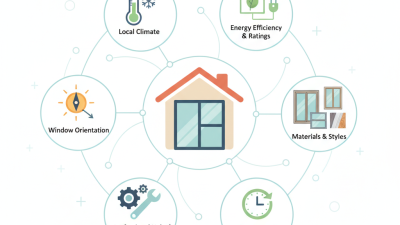
While high-efficiency windows may seem appealing, their initial costs can be high. Homeowners should calculate long-term savings versus upfront expenses. Look closely at your local climate and home orientation when making decisions. What works in one area might not be effective in another. This thoughtful assessment ensures that you choose windows that are not only efficient but also suitable for your specific environment.
Assessing Aesthetic Compatibility with Home Style
Choosing windows for your home is not just about functionality. Aesthetic compatibility with your home's style is crucial. Each architectural style, from modern to traditional, has distinct characteristics. Windows have the power to enhance or clash with these elements. Selecting the right windows involves careful thought and creativity.
Consider the shape and size of your home. For instance, taller homes may benefit from elongated windows. Conversely, a quaint cottage might look best with smaller, more rustic panes. Pay attention to materials and colors as well. Wooden frames can evoke warmth and tradition, while metal frames lend a contemporary edge. Mixing different styles can be appealing, yet it requires a keen eye to avoid a disjointed appearance.
It's important to reflect on your personal taste as well. When faced with a myriad of options, you might feel overwhelmed. Take time to visualize how each choice aligns with your home's overall aesthetic. Sometimes, what seems popular may not truly resonate with your vision. Don't rush this decision. Each window shape can drastically alter your home’s character. Approach this choice with intention and individuality for a result that feels both unique and harmonious.
How to Choose the Best Home Windows Replacement Options? - Assessing Aesthetic Compatibility with Home Style
| Window Style |
Material |
Aesthetic Compatibility |
Energy Efficiency Rating |
Cost Range |
| Double-Hung |
Vinyl |
Traditional |
High |
$300 - $800 |
| Casement |
Wood |
Modern |
Very High |
$400 - $1000 |
| Sliding |
Aluminum |
Contemporary |
Moderate |
$250 - $700 |
| Bay |
Fiberglass |
Traditional/Modern |
High |
$600 - $1500 |
| Picture |
Vinyl |
Rustic |
Very High |
$500 - $1200 |
Determining Budget and Cost Considerations for Window Replacement
When planning to replace home windows, budgeting is crucial. Start by assessing your financial situation. Understand how much you are willing to invest. This initial step will guide your options.
Window replacement costs vary significantly. Factors like material, size, and energy efficiency play a vital role. Vinyl windows often represent a cost-effective choice. However, they might lack the aesthetic appeal of wood. Research different materials and weigh the pros and cons. Don't forget about installation costs. Poor installation can lead to future expenses.
Consider the long-term savings from energy-efficient options. While they might have a higher upfront cost, reduced energy bills can balance out the investment. Sometimes, spending more initially pays off later. Keep track of quotes from different contractors, ensuring you get the best deal. This can help avoid unexpected expenses down the line. Reflect on your choices, and be prepared to adapt your plans if costs rise unexpectedly.
Home Windows Replacement Cost Analysis
Finding Reliable Contractors and Installation Services
When replacing home windows, finding reliable contractors is crucial. According to the National Association of Home Builders, nearly 80% of homeowners report that a bad installation can lead to issues like air leaks and higher energy bills. Therefore, selecting a reputable contractor makes a difference. Look for contractors with certifications and years of experience in window installation.
Moreover, online reviews and testimonials play a significant role. Research shows that 84% of people trust online reviews as much as personal recommendations. Sites like Angie's List and HomeAdvisor can provide insights into local professionals. However, be cautious; not all reviews are genuine. Double-check sources and look for consistency in feedback.
Lastly, always request multiple quotes. A study by Remodeling Magazine indicates that costs for window replacements can vary significantly, often exceeding $10,000. Understanding the market ensures you won't overpay. If a quote seems too good to be true, it probably is. Balancing cost and quality remains essential, even if it requires revisiting choices. Ensuring a reliable installation will ultimately save money and headaches in the long run.