2026 Top Types of House Windows for Global Buyers?

Choosing the right house windows in 2026 requires more than comparing attractive frames or low prices. Global buyers face different climates, building traditions, energy standards, and installation practices. A window that performs well in a cold Canadian suburb may struggle under tropical humidity or strong Mediterranean sunlight.

Steve Urich, former senior technical director at the National Fenestration Rating Council, stated, “A window’s performance depends on the whole product, not one number.” That principle remains highly practical. Glass, frame material, seals, hardware, ventilation, and installation must work together. U-factor matters in cold regions. Solar heat gain is more important in hot climates. Air leakage can quietly damage comfort and energy performance.

This guide examines the leading types of house windows for international buyers, including vinyl, aluminum, wood, fiberglass, sliding, casement, awning, tilt-and-turn, and fixed designs. Each option has strengths. Each also has compromises. No ranking is perfect.

A coastal home may need corrosion-resistant frames and dependable drainage. A high-rise apartment may prioritize wind resistance, acoustic insulation, and safe operation. A rural property might benefit from simple maintenance and replaceable hardware. These details often matter more than showroom appearance.

Buyers should verify local certifications, glazing specifications, warranty terms, and installer experience before ordering. Product labels can mislead when installation quality is poor. That is an uncomfortable point, but it deserves attention.

The sections ahead compare performance, cost, maintenance, security, and regional suitability. They are designed to support careful decisions, not push one universal solution. Window technology is improving, yet practical judgment still matters.
2026 Top Types of House Windows for Global Buyers?

Window Types by Opening Mechanism and Design

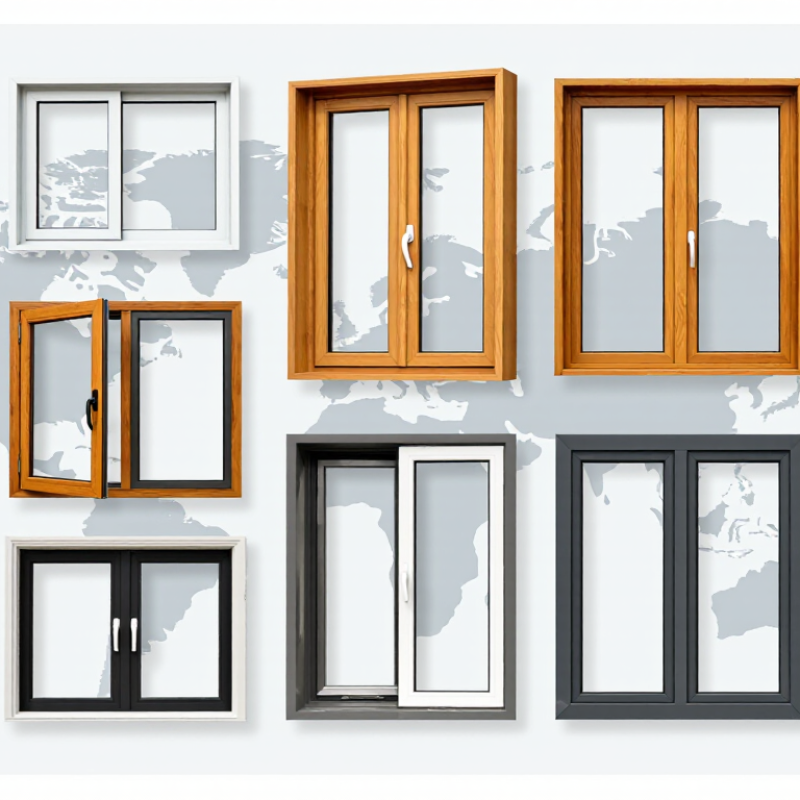
Choosing a house window starts with movement, not appearance. Casement windows swing outward on side hinges. They catch cross-breezes well and seal tightly when closed. Awning windows hinge at the top. They can ventilate during light rain. Sliding windows move horizontally and need less exterior clearance. They suit apartments, narrow patios, and busy walkways.

Hung windows slide vertically through one or two sashes. Double-hung designs let warm air escape above while cooler air enters below. Tilt-and-turn windows offer two actions: inward tilting for ventilation and full turning for cleaning. They are practical in high-rise homes, though furniture can block the opening. Fixed windows do not open. They provide daylight and views, but nearby operable units are necessary for fresh air.

Design changes the result. Large glass panels create a bright room, while smaller divisions can support traditional façades. Low-emissivity glass, insulated frames, and reliable gaskets improve comfort across hot and cold regions. Local wind loads, rain exposure, cleaning access, and emergency egress rules still need professional checks. No window is perfect. In one renovation, a beautiful wide slider admitted less air than expected because its opening area was limited. That detail changed the layout. Test samples in real light, and question every promised performance figure.

2026 Top Types of House Windows for Global Buyers

Window types compared by opening mechanism and design. The chart uses indicative typical clear-opening ratios for commonly used residential window configurations; fixed windows provide daylight but no ventilation.

Casement and tilt-and-turn windows generally provide the largest ventilation area, while sliding and fixed designs prioritize space efficiency, daylight, and unobstructed views.

Key Materials Used in Modern Residential Windows

2026 Top Types of House Windows for Global Buyers

Material choice shapes modern residential window performance more than appearance alone. The U.S. Department of Energy reports that windows can cause 25–30% of household heating and cooling energy use. That makes frame insulation a practical purchasing issue, not a decorative detail.

uPVC frames offer low maintenance and strong resistance to moisture. They suit many humid or cold climates. Aluminum frames are slim and durable, but thermal breaks are essential. Without them, interior surfaces may feel cold and collect condensation. Wood provides natural insulation and a warm appearance, though it needs careful sealing. Fiberglass and composite frames offer dimensional stability, especially where temperatures change sharply. No material wins everywhere.

Glass matters too. Double glazing is common, while triple glazing can improve comfort in severe climates. The U.S. Department of Energy identifies U-factor and solar heat gain coefficient as key performance measures.

Lower U-factor generally means better insulation. SHGC must match local sunlight, orientation, and cooling demand. A sunny west-facing window needs different specifications from a shaded north-facing opening.

The UNEP Global Status Report for Buildings and Construction shows that buildings remain a major source of global energy demand and emissions. Yet choosing the most expensive frame is not automatically wise. Installation gaps, poor drainage, and incorrect glazing can undermine excellent materials. Buyers should request tested performance data, local compliance documents, and installation details. Specifications can still look perfect on paper. Field conditions are less forgiving.

Energy Efficiency Standards Across Global Markets

Choosing house windows in 2026 requires more than comparing frame styles. Energy standards differ across global markets, even when products look similar. In North America, buyers often compare U-factor and Solar Heat Gain Coefficient. Lower U-factor usually means better insulation. SHGC shows how much solar heat enters the room.

European markets commonly use Uw and g-value ratings. Uw measures the complete window’s thermal performance, including the frame. The g-value describes solar energy entering through the glass. In the United Kingdom, window choices must also support current building-efficiency requirements. Australia adds climate-zone considerations, because a window suitable for a cool region may perform poorly in a hot one.

Look beyond the glass label. On installation projects, I have seen excellent windows lose performance because of gaps around the frame. Airtight sealing matters. Spacer quality matters too. Triple glazing can help in cold climates, but it may add weight and cost. In warm, sunny regions, shading and a controlled SHGC can be more practical than maximum insulation.

There is no universal “best” window rating. Local weather, wall insulation, orientation, and ventilation change the result. A low U-factor alone can mislead buyers. Ask for whole-window test data and installation guidance. Standards also change, and product documents may lag behind new requirements. That is inconvenient, but it deserves careful checking before purchase.

Choosing Windows for Climate, Architecture, and Security

2026 Top Types of House Windows for Global Buyers

Choosing the right house window starts with climate, not appearance. The U.S. Department of Energy reports that windows can cause 25–30% of residential heating and cooling energy use.

In hot regions, prioritize a low solar heat gain coefficient, exterior shading, and reliable air sealing. In cold climates, low-U-value double or triple glazing can reduce indoor heat loss. Humid coastal areas need durable frames and drainage details. Small details matter.

Architecture should guide the window form. Narrow openings suit thick masonry walls and traditional façades. Large glazed panels support modern plans, but they may increase glare, overheating, and privacy concerns.

Operable windows can improve natural ventilation, especially in mild climates. The International Energy Agency identifies buildings as responsible for around 30% of global final energy consumption, so design choices deserve careful review.

Bigger is not always better.

Security requires more than strong glass. Laminated glazing, reinforced frames, tested locks, and limited ground-floor openings can improve resistance to forced entry.

Buyers should request performance evidence, including air leakage, water resistance, thermal values, and security classifications recognized in their market. Local installation quality remains critical.

A poor frame seal can undermine an expensive window. I have seen specifications look excellent on paper, yet fail through careless fitting. That is an uncomfortable lesson.

Always inspect the wall connection, drainage path, and hardware operation before final approval.

Installation, Maintenance, and Buyer Considerations

Choosing the right house window involves more than comparing styles. Casement, sliding, awning, tilt-turn, and fixed windows suit different rooms and climates. Casement windows often provide strong ventilation, while fixed windows offer clear views with fewer moving parts. Buyers should match the window type with wind exposure, rainfall, sunlight, and daily use.

Installation quality can affect performance more than the window label. The opening should be measured at several points, because older walls are rarely perfectly square. Installers must check the sill slope, apply suitable flashing, and seal the frame without blocking drainage paths. A small gap around the frame may cause drafts, water stains, or mould later. It looks minor.

During a site inspection, I look for smooth operation, even frame gaps, and secure locking points. Maintenance should include cleaning tracks, checking seals, and removing debris from drainage holes. Coastal homes may need more frequent hardware inspections because salt air can accelerate corrosion. Timber frames require protective coatings, while metal and composite frames still need joint checks.

Buyer decisions can become difficult when energy ratings, noise control, and appearance conflict. Low-emissivity glazing may reduce heat transfer, but it can cost more and change indoor daylight. Ask for documented performance data, warranty terms, replacement-part availability, and installation responsibilities. A cheap quote may exclude interior trim or water testing. I have seen buyers overlook these details, then spend more correcting avoidable problems. Local climate advice remains useful, but it should be verified against the building’s orientation and actual exposure.