Replacing a patio door can look simple from the living room. Then the trim comes off, and hidden moisture, warped framing, or poor insulation may appear. This 2026 patio door replacement cost guide explains what homeowners may actually pay, not just the price printed on a showroom tag.
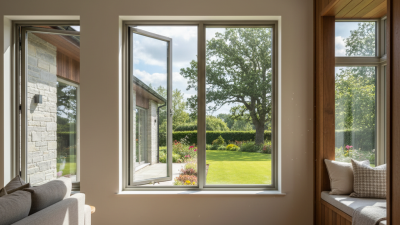
Tom Silva, a veteran general contractor known for This Old House, offers practical advice: “A good door should be easy to operate and tight when closed.” That standard matters. A sliding glass door should glide without scraping, lock firmly, and block a cold draft near the bottom rail. French doors should close evenly, without forcing the handle.
Several details shape the final patio door replacement cost. Door size matters. Material matters more than many homeowners expect. Vinyl usually costs less than fiberglass, while wood may require regular sealing. Low-E glass can raise the purchase price but may improve comfort beside a sunny deck. Installation labor also changes when contractors must remove brick mold, repair water-damaged framing, or dispose of the old door.
A basic replacement may cost far less than a custom, energy-efficient system. Yet the cheapest estimate can become expensive after hidden repairs. No estimate is perfect. That deserves attention.
This guide compares materials, glass options, labor, permits, disposal, and regional pricing. It also explains where homeowners can save safely, and where cutting costs may invite leaks, air loss, or difficult operation. Bring photographs, rough measurements, and questions to every quote. A careful decision starts before the old door leaves the wall.
In 2026, patio door replacement commonly costs between $1,200 and $6,000, including standard installation. Sliding doors often fall near $1,200–$4,500. French or folding doors may reach $6,000 or more. Material, glass type, size, and labor rates strongly affect the final price.
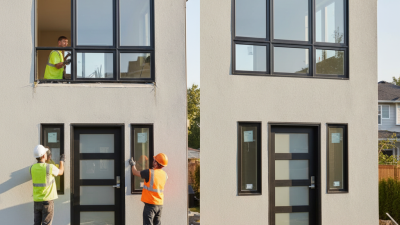
Installation alone may cost $600–$2,000. Removing an old frame usually adds $100–$300. If the opening has water damage, uneven framing, or hidden rot, repairs can increase the budget quickly. A wider doorway may require structural work and professional engineering. Permit fees also vary by location.
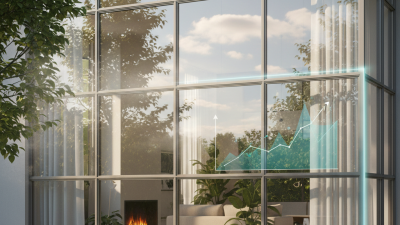
Energy-efficient glass can raise the purchase price, but it may improve indoor comfort near the doorway. In colder areas, low-emissivity glass and insulated frames deserve close attention. In storm-prone regions, impact-rated systems may cost more but provide stronger protection.
Measure the existing opening carefully. Still, measurements can be misleading when old frames are distorted. A detailed inspection matters more than a quick online calculator. Request at least three written estimates with labor, disposal, trim, permits, and warranty terms listed separately.
A low quote is not always a bargain. It may exclude interior repairs or finishing work. This is where many homeowners misjudge the budget. Leave a 10%–20% contingency for unexpected conditions, especially in older homes. Ask the installer how drainage will be managed around the sill. Poor water control can damage flooring and framing long after installation.
2026 Top Patio Door Replacement Cost Guide
In 2026, patio door replacement costs vary widely by size, material, design, and installation difficulty. A basic sliding door may cost less than a large, custom-built folding system. Door material also matters. Vinyl usually offers a lower starting price, while fiberglass, aluminum, and wood can raise the budget. Larger glass panels add weight and may require stronger framing.
Labor often becomes the most misunderstood expense. Experienced installers check the opening, sill, wall condition, drainage, and surrounding trim before quoting. If the frame is uneven, water-damaged, or affected by rot, repairs can add several hundred dollars. Older homes may need structural adjustments. A quick measurement is not enough. It can miss expensive problems.
Energy performance influences long-term value, too. Double glazing, insulated frames, and tight weather seals may increase the purchase price but reduce drafts and indoor heat loss. Local labor rates, disposal fees, access to the doorway, and permit requirements also affect the final amount. A second-floor patio entrance or narrow hallway can slow the crew considerably. Estimates are useful, but not perfect. Ask for an itemized quote, warranty terms, and clear repair allowances before work begins. Real costs sometimes change after the wall is opened.
| Cost Factor | Common Options | Typical Installed Cost Range (USD) | How It Influences Price |
|---|---|---|---|
| Door Configuration | Standard two-panel sliding door | $1,200–$4,000 | Usually the most economical replacement because the opening and installation process are relatively simple. |
| Door Configuration | Three-panel or four-panel sliding door | $2,500–$8,000+ | Larger units require more glass, heavier framing, additional labor, and sometimes structural adjustments. |
| Door Configuration | French or hinged patio doors | $1,500–$5,500 | Costs vary with the number of panels, swing direction, hardware, and whether the existing opening must be modified. |
| Frame Material | Vinyl | $1,200–$4,500 | Generally offers a lower purchase price and minimal maintenance compared with wood or composite frames. |
| Frame Material | Aluminum | $1,500–$5,000 | Strong and lightweight, but thermally improved aluminum systems can cost more than basic frames. |
| Frame Material | Fiberglass or composite | $2,500–$7,000 | Usually costs more initially but provides durability, dimensional stability, and improved weather resistance. |
| Frame Material | Wood or wood-clad | $2,500–$8,000+ | Material, finishing, weatherproofing, and long-term maintenance can substantially increase the total price. |
| Glass Package | Standard double-pane insulated glass | Included in many mid-range units | Provides better insulation than single-pane glass and is common in modern replacement doors. |
| Glass Package | Low-emissivity, gas-filled, or impact-rated glass | Add $300–$2,000+ | Specialized glass can improve energy performance, safety, storm resistance, and ultraviolet protection. |
| Door Size | Standard opening of approximately 5–6 feet | $1,200–$4,500 | Standard-size replacements generally require less custom fabrication and fewer structural changes. |
| Door Size | Oversized or custom opening | $3,500–$12,000+ | Custom dimensions increase manufacturing, delivery, handling, and installation expenses. |
| Labor | Straightforward replacement | $500–$1,500 | Labor covers removal, fitting, leveling, fastening, insulation, sealing, and adjustment. |
| Opening Modifications | Minor repairs or reframing | Add $300–$2,500 | Rot, water damage, uneven framing, or a nonstandard opening can add preparation and repair work. |
| Removal and Disposal | Existing door removal and haul-away | $100–$400 | Heavy glass panels, difficult access, and disposal requirements can increase this charge. |
| Permits and Inspection | Local permit, inspection, or approval | $50–$500+ | Fees depend on local rules and whether the project changes the opening, structure, or exterior wall. |
| Location and Access | Easy ground-level access | Usually included in the base estimate | Simple access reduces labor time and handling requirements. |
| Location and Access | Upper-level, restricted, or difficult access | Add $300–$2,000+ | Additional workers, lifts, scaffolding, or special transportation may be required. |
2026 Top Patio Door Replacement Cost Guide
Patio door replacement costs vary by door type, material, size, and installation difficulty. A standard sliding glass door usually costs $1,200 to $4,000 installed. French patio doors often range from $1,800 to $5,500. Large folding or multi-panel systems may exceed $12,000. These figures include typical labor, but local rates can change the final invoice.
Material also affects durability and price. Vinyl doors are often the most affordable, costing about $1,200 to $3,500. Fiberglass commonly ranges from $2,500 to $6,500 and resists moisture well. Wood may cost $2,500 to $7,000, especially with custom finishes. Aluminum provides slim frames but can require better thermal breaks. Replacing a damaged frame or enlarging the opening adds significant labor. Some online estimates understate this detail. I would request an itemized quote.
Tips: Measure the rough opening twice. Ask whether disposal, trim, flashing, permits, and interior repairs are included. Compare glass ratings, warranties, and expected maintenance. A cheaper door may become expensive if it leaks or needs repainting. Check drainage around the threshold, too. This small detail is easy to miss.
Estimated average installed replacement costs in the United States by patio door type and material. Prices include standard labor and disposal but exclude major structural changes, permits, and premium custom features.
Sliding doors are generally the most affordable option, while folding and multi-panel systems typically cost more because they require larger openings, heavier panels, and more complex installation. Wood and fiberglass usually cost more than vinyl and aluminum because of material and finishing requirements. Actual estimates vary by size, energy efficiency, glass specification, location, and installation complexity.
Replacing a patio door in 2026 usually costs about $1,200 to $6,500, including removal and installation. Labor often ranges from $400 to $1,800, depending on door size, material, and access. The National Association of Home Builders reported in its 2024 construction-cost survey that labor represented 29.9% of total building costs. Patio-door work can follow a similar pattern, but local rates vary sharply.
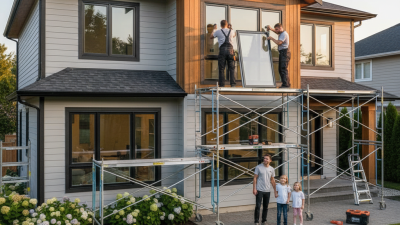
Installation becomes more expensive when crews must repair water-damaged framing, adjust uneven flooring, or modify the opening. A second-story opening may require additional workers or lifting equipment. Disposal fees commonly add $50 to $150. Permit charges can also apply, especially when structural changes affect an exterior wall. Energy upgrades, such as improved glazing or low-emissivity glass, may add several hundred dollars. According to the U.S. Department of Energy, properly installed low-emissivity windows can reduce heat loss, but savings depend on climate and household use.
Professional estimates should separate labor, materials, disposal, permits, and repairs. That detail matters. A low quote may exclude flashing or interior trim. In my experience, hidden rot is the most common surprise behind an old threshold. I would also question estimates with no site inspection. Even published cost reports provide averages, not guarantees. Weather, building age, and regional wages can change the final invoice considerably.
Replacing a patio door starts with measurements, not shopping. Record the opening width, height, wall condition, and door swing. A standard replacement may cost $1,200 to $4,500 in 2026, including installation. Larger openings, custom glass, structural repairs, and difficult access can increase the bill. Local labor rates vary, so obtain at least three detailed quotes. Each quote should separate the door, labor, trim, disposal, permits, and possible repairs.
Do not budget only for the door itself. A contractor may discover water damage beneath the threshold or framing that is no longer level. That happened in a neighbor’s renovation, and the original estimate changed by nearly $700. A 10% to 20% contingency fund is sensible. Ask about energy performance, locking hardware, drainage, warranty terms, and cleanup. Verify the installer’s credentials and insurance before work begins.
Tips:
Measure twice. Photograph hidden damage. Request written change orders. Check the threshold after rain. Avoid choosing the lowest quote automatically; missing preparation work can become expensive later. Sliding doors often cost less to install than folding systems, but daily use matters more than appearance. Think about furniture clearance, sunlight, ventilation, and whether the track will collect grit. A beautiful door can still feel wrong when the handle is awkward or the opening leaks cold air.