What is Window and Door Replacement and Why Is It Important?
In the field of home improvement, "window and door replacement" stands as a crucial topic. This process not only enhances the aesthetic appeal of a home but also improves energy efficiency. John Smith, an expert in home renovations, emphasizes this importance by stating, "Updated windows and doors can transform both the look and feel of a home."
Many homeowners underestimate the impact of outdated windows and doors. They not only affect comfort but can lead to increased energy bills. When you consider the wear and tear that these fixtures endure, it becomes evident that regular updates are necessary. For example, old windows may let drafts in, reducing insulation, while doors can become warped and difficult to open or close.
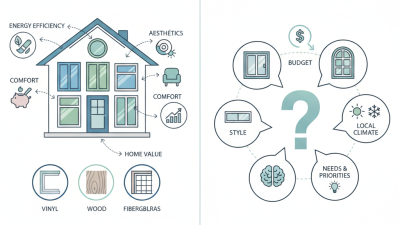
Choosing to invest in window and door replacement can seem overwhelming. There are numerous styles, materials, and costs to consider. However, the benefits often outweigh the challenges. A thoughtful approach to selecting products can lead to long-term satisfaction. Reviewing options may require extra time, but it’s essential for making informed decisions that will benefit your home for years.
Definition of Window and Door Replacement
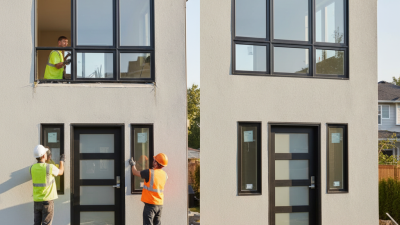
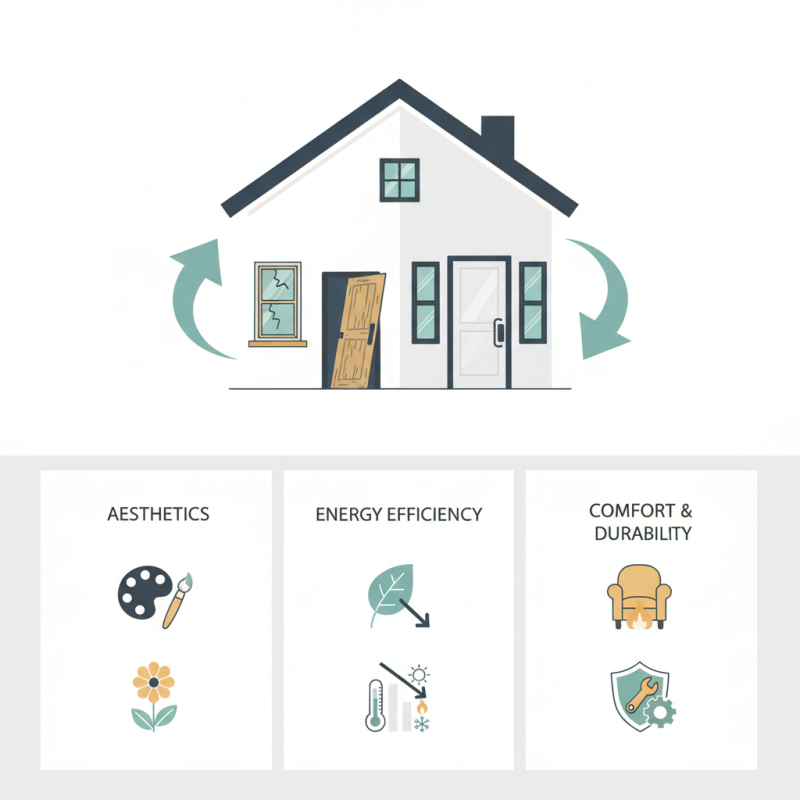
Window and door replacement refers to the process of removing old windows and doors and installing new ones. This upgrade is vital for improving energy efficiency and enhancing the aesthetic appeal of a home. Many people overlook this aspect, thinking that minor repairs are sufficient. However, outdated windows can lead to significant energy loss and increased utility bills.
When considering window and door replacement, keep in mind the condition of your current windows. Are they difficult to open? Is there visible damage? Such signs indicate it's time for an upgrade. Choosing the right materials can make a difference. Look for energy-efficient options that fit your budget.
Tip: Always measure accurately before purchasing new windows or doors. A wrong size can lead to gaps, which is a common oversight. Additionally, consider the style of your home. A mismatched design can stand out in a negative way. A thorough approach ensures you achieve a cohesive look while enhancing your home's value.
Key Reasons for Window and Door Replacement
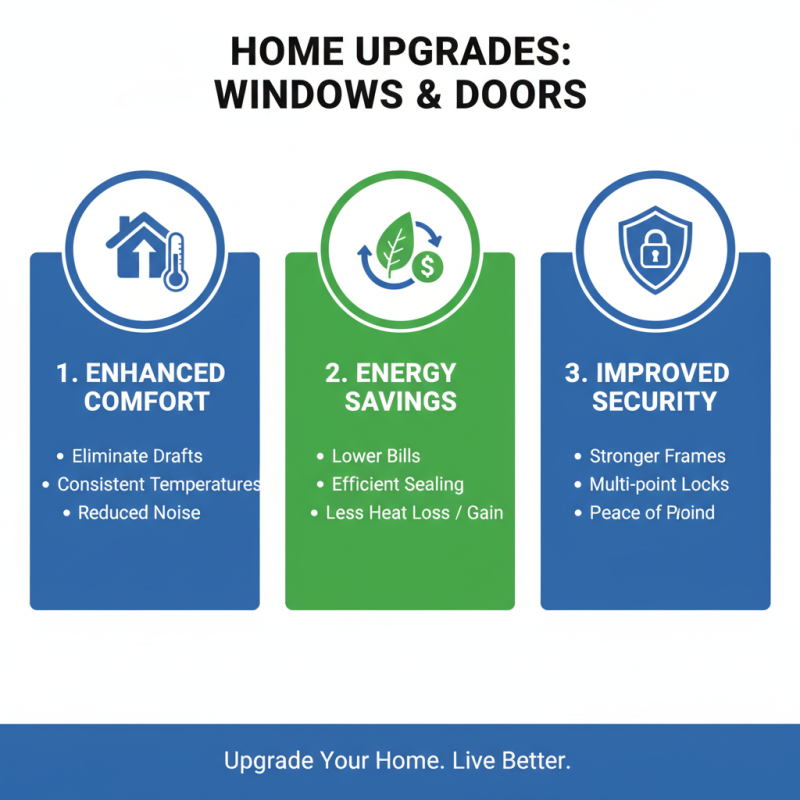
Replacing your windows and doors can significantly impact your home's comfort and energy efficiency. Old or poorly sealed windows can lead to high energy bills. They let in drafts and let conditioned air escape. Additionally, outdated doors can compromise your home's security.
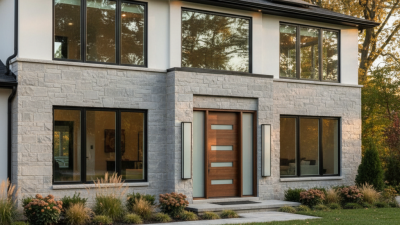
Consider your local climate when making replacements. In colder areas, double-glazed windows offer better insulation. In warmer regions, low-E coatings can reflect heat. Don’t neglect the style; your choices should complement your home’s aesthetic. This is not just about practicality but also about enhancing beauty.
Tips: Always measure your openings before purchasing. It ensures you get the right fit and avoids unnecessary costs. If possible, hire a professional for installation. It saves time and avoids mistakes. Remember, each updated window or door adds value to your home. This is an investment in comfort and safety.
Benefits of Replacing Windows and Doors
Replacing windows and doors offers numerous benefits for homeowners. Improved energy efficiency is one of the main advantages. According to the U.S. Department of Energy, energy-efficient windows can reduce energy bills by up to 15%. This means less reliance on heating and cooling systems. With rising energy costs, this can lead to significant savings over time.
Beyond financial savings, new windows and doors enhance comfort. Aging frames can allow drafts, impacting indoor temperatures. A Comprehensive Energy Efficiency Program study reported that properly installed windows can improve indoor comfort by preventing air leaks. The aesthetic change is also notable. A fresh design can elevate curb appeal. Many homeowners have experienced increased property value. A National Association of Realtors report states that nearly 70% of buyers value updated windows.
Challenges can arise during replacement. Homeowners might face unexpected costs or installation delays. Moreover, choosing the right style or material can be overwhelming. It's essential to research options. Understanding local climate can influence choices. Reflecting on these aspects ensures a successful project. This process requires careful consideration but yields valuable outcomes.
Factors to Consider Before Replacement
When considering window and door replacement, several factors come into play. First, assess the current condition of your windows and doors. Are there drafts? Does the glass appear foggy? Such signs may indicate a need for replacement. It is crucial to examine the frames as well. Wooden frames can rot over time, while vinyl may warp. Noticing these issues early can save money in the long run.
Next, think about energy efficiency. New models often offer better insulation and can lower energy bills. However, consider the initial costs of replacement. High-quality materials can be pricey. Balancing budget with long-term savings is a challenge many face. Additionally, aesthetic appeal matters. Choosing styles that match your home’s character can enhance curb appeal. Sometimes, what looks good may not be the most practical.
Finally, don’t overlook the impact of climate. In areas with extreme weather, the right materials are essential. What suits one environment may not work in another. It’s important to reflect on these details before making decisions. Each choice carries weight and can change your home dramatically. Take time to evaluate your needs thoroughly.
Energy Efficiency Impact of Window and Door Replacement
Replacing old windows and doors can significantly reduce annual energy costs. This chart illustrates the cost difference before and after replacement, highlighting the potential savings of energy-efficient options.
Popular Materials for Windows and Doors
When considering window and door replacement, material choice is crucial. Popular options include vinyl, wood, fiberglass, and aluminum. Vinyl windows are popular due to their excellent insulation properties. According to the American Window and Door Institute, vinyl frames can reduce energy bills by up to 30%. They require less maintenance and are cost-effective. However, their color options are limited. This could impact the home’s aesthetic appeal.
Wood windows offer beauty and natural insulation. They can last for decades with proper care. Yet, they need regular maintenance, which can be a burden. A National Association of Home Builders report indicates that wood requires painting or staining every few years. This maintenance can increase long-term costs. On the other hand, fiberglass combines strength and energy efficiency. It expands and contracts like glass, preventing air leaks. Research shows fiberglass can outperform vinyl in energy efficiency.
Aluminum windows are durable and frequently used in commercial settings. They’re low-maintenance but can lack insulation. Some homeowners may overlook their thermal performance. This might lead to higher energy costs over time. Choices in window and door materials impact energy efficiency and overall comfort. It is essential to reflect on the balance between aesthetics, maintenance, and cost-effectiveness when making these decisions.
What is Window and Door Replacement and Why Is It Important? - Popular Materials for Windows and Doors
| Material Type |
Durability |
Energy Efficiency |
Cost Range (per unit) |
Maintenance Level |
| Vinyl |
High |
Good |
$300 - $700 |
Low |
| Wood |
Moderate |
Excellent |
$600 - $1,200 |
Moderate |
| Aluminum |
High |
Fair |
$400 - $800 |
Low |
| Fiberglass |
Very High |
Excellent |
$500 - $1,000 |
Low |