Why Are Sliding Glass Doors So Popular?
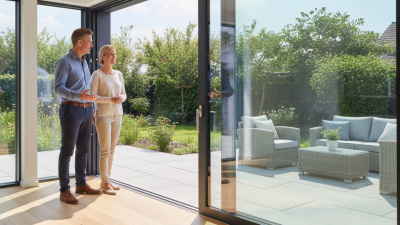
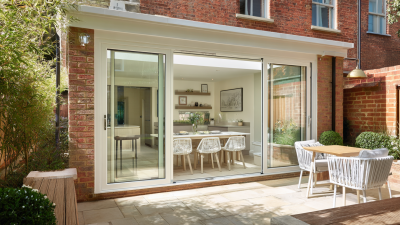
Sliding glass doors have become popular because they make ordinary rooms feel larger, brighter, and more connected to the outdoors. A panel moves quietly along its track, opening a wide view of a garden, balcony, or sunlit patio. Unlike hinged doors, sliding glass doors require little swing space. That advantage matters in compact kitchens, narrow hallways, and crowded living rooms.
Their appeal is practical, not merely visual. Large glass panels can improve daylight, support natural views, and create smoother movement between indoor and outdoor areas. Modern frames also offer better insulation, stronger locking systems, and improved resistance to weather. Still, performance depends on careful installation. A poorly aligned track can collect grit, produce noise, or make the door difficult to operate. Beautiful design cannot correct careless fitting.
Mark Meshulam, a building-envelope consultant and founder of Chicago Window Expert, emphasizes a useful principle: “A beautiful window still has to manage water, air, and movement.” That observation applies directly to sliding glass doors. Homeowners should examine frame quality, drainage paths, glass performance, hardware durability, and professional installation. Small details matter. Even the best door can disappoint when maintenance is ignored.
The popularity of sliding glass doors is understandable, but it is not universal. Privacy, heat gain, cleaning, and security may require additional planning. Frosted glass, exterior shading, and multi-point locks can help. The ideal choice balances openness with comfort. This guide explores why these doors remain desirable, where they perform well, and which limitations deserve honest attention before purchase.
How Sliding Glass Doors Work
Why Are Sliding Glass Doors So Popular?
How Sliding Glass Doors Work
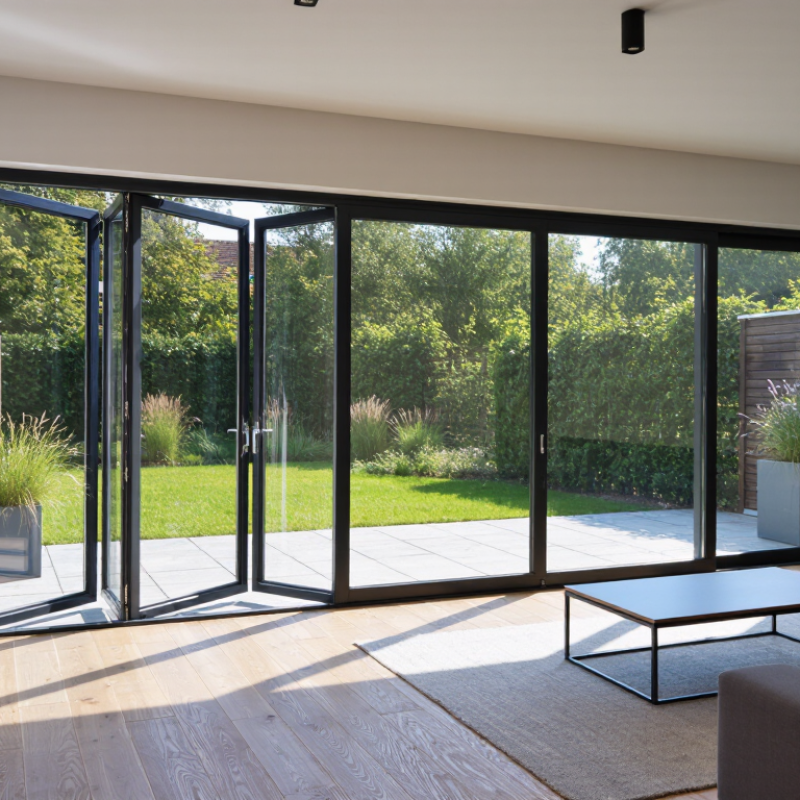
A sliding glass door moves one panel along a horizontal track. The active panel rides on adjustable rollers, while the fixed panel stays anchored in the frame. Handles connect to a lock mechanism, and interlocking meeting rails reduce air movement when the door closes.
The system looks simple. It is not always forgiving. A small amount of grit can increase rolling resistance, while a slightly uneven track may cause scraping or poor alignment. Weatherstripping around the frame limits drafts, but its performance depends heavily on accurate installation. Tempered or laminated glass improves safety, and low-emissivity coatings can reduce unwanted heat transfer.
The U.S. Department of Energy’s Energy Saver guidance estimates that windows can account for 25–30% of residential heating and cooling energy use. Sliding doors form part of that opening area, so glass selection matters. National Fenestration Rating Council data helps buyers compare U-factor and solar heat gain coefficient ratings. Lower U-factor generally means better insulation, while SHGC indicates how much solar heat enters.
Daylight is the obvious benefit. So is easier access to a patio. Yet a wide glass opening may bring glare, summer heat, and privacy concerns. In practice, curtains, exterior shading, and regular track cleaning often matter as much as the door itself. The mechanism is efficient, but never maintenance-free.
Key Design Features of Sliding Glass Doors
Sliding glass doors combine broad panes with a simple opening mechanism. Their most visible feature is the clear view: daylight reaches deeper into a room, while gardens or balconies feel closer. Frame materials and profiles affect both appearance and performance. Slim frames can preserve more glass area, but frame strength still matters, especially for wide panels.
The track guides each panel, so smooth movement depends on careful installation and regular cleaning. Dust and grit collect quickly in low tracks. A soft brush or vacuum can help prevent stiff operation. Rollers carry the panel’s weight, and worn or poorly adjusted rollers may cause dragging. Small details count. Handles should feel comfortable and remain easy to reach, while a well-fitted lock helps secure the closed door.
Glazing and seals shape comfort as much as the frame does. Double glazing can reduce heat transfer and outside noise, though results depend on the full door assembly and installation. Perimeter seals limit drafts, but they cannot correct a badly fitted frame. Threshold design also deserves attention: a low sill eases access, yet may need thoughtful weather protection. Sliding panels usually open only part of the doorway, which can restrict airflow. That trade-off is easy to overlook. A door that looks effortless in a showroom may need frequent track care at home.
How They Bring Light and Open Up Interior Spaces
Sliding glass doors are popular because they make a room feel connected to the outdoors. A wide pane admits daylight across floors and walls, softening dark corners and making compact rooms feel less enclosed. When the door opens, a patio or garden becomes part of the view. Even on a rainy day, the glass keeps that visual connection.
The U.S. Environmental Protection Agency’s ENERGY STAR program estimates that certified windows, doors, and skylights can save households an average of 12% on energy bills compared with non-certified products. That figure covers multiple product types, not sliding doors alone, and actual savings depend on climate, installation, and use. Still, it highlights why glazing and frame performance matter alongside appearance. A bright room can also bring glare and heat, especially where afternoon sun strikes a sofa or screen.
Tips: Check a sample of the glass at the room’s sunniest hour. Choose glazing suited to your climate, and use curtains or exterior shade where needed. Keep the track clear of grit; a door that sticks can make the open-plan feeling less inviting.
Common Uses in Homes and Commercial Buildings
Sliding glass doors are popular because they connect indoor spaces with natural light, fresh air, and outdoor views. In homes, they commonly separate living rooms from patios, balconies, gardens, and pool areas. Their panels slide along tracks, so they need less floor space than hinged doors. This makes them practical for compact rooms and busy family areas.
In daily residential use, wide glass openings can make a small room feel larger. Parents can watch children outside while preparing food nearby. Homeowners also use them to improve daylight in dining rooms and bedrooms. Proper installation matters. Durable rollers, secure locks, weather seals, and safety glass help the door operate reliably. Poor alignment can cause dragging, water entry, or frustrating noise.
Commercial buildings use sliding glass doors in offices, restaurants, clinics, hotels, and retail entrances. They help guide visitors between lobbies, terraces, conference rooms, and service areas. Automatic systems can support accessibility and steady foot traffic, but trained professionals must inspect sensors and closing speed regularly. In restaurants, clear doors can connect dining spaces with outdoor seating while reducing visual barriers. In offices, glass partitions preserve light and improve sightlines between work zones. They are not perfect. Fingerprints appear quickly, and tracks collect dust. I have also seen beautiful installations fail because drainage and maintenance were overlooked. Practical design should consider cleaning access, local weather, privacy needs, and emergency movement before appearance alone.
Why Are Sliding Glass Doors So Popular? Common Uses in Homes and Commercial Buildings
Practical Benefits That Drive Their Popularity
Sliding glass doors remain popular because they make everyday spaces feel larger and brighter. Natural light reaches deeper into a room, even when the opening is narrow. Their panels move sideways, so they do not swing into furniture or walkways. That matters in compact kitchens, bedrooms, and balconies. A clear view also helps homeowners watch children, pets, or changing weather more easily.
In practical use, smooth tracks make frequent access less tiring. Carrying groceries from a patio becomes simpler. Wide openings can improve airflow during mild weather. Modern insulated glass may also reduce outdoor noise and limit heat transfer. However, these doors are not perfect. Dust can collect in the lower track, and poorly adjusted rollers may create resistance. I have found that small maintenance issues become annoying when ignored. Professional installation, accurate measurements, and durable seals strongly affect long-term performance.
Tips: Measure the opening twice before ordering. Check whether the track drains water properly. Choose low-maintenance frame materials for humid areas. Clean the rollers and track regularly with a soft brush. Avoid forcing a stiff panel. That can worsen the problem. Add curtains or blinds when privacy and afternoon glare matter. Think about furniture placement, too. A beautiful view is less useful when a sofa blocks half the glass.