
What Are Window Installers and What Do They Do?
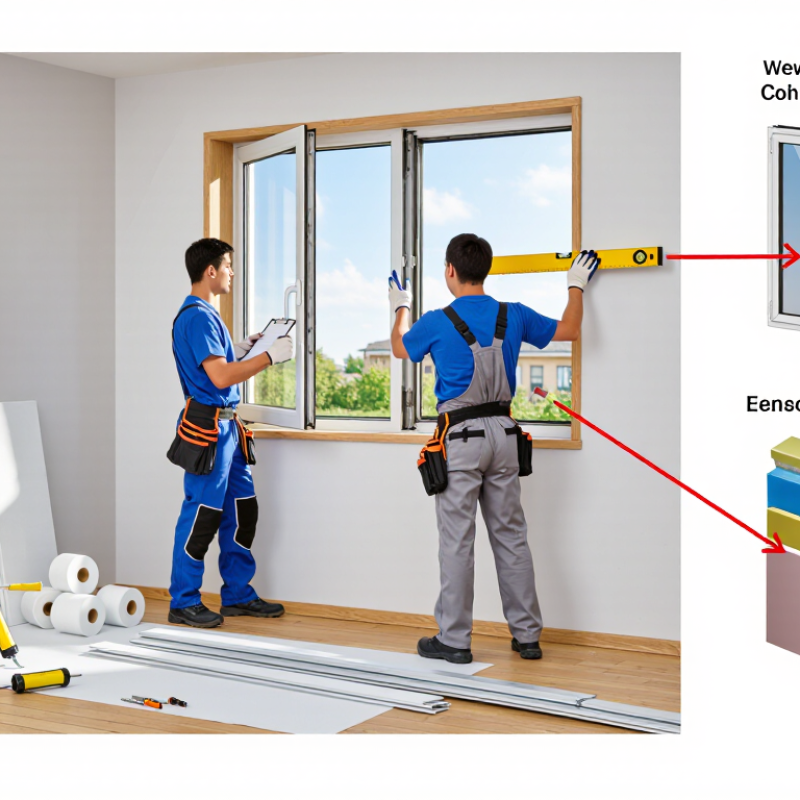
Window installers are skilled tradespeople who fit, replace, and adjust windows in homes and commercial buildings. Their work involves more than placing glass inside a frame. They check opening dimensions, inspect surrounding surfaces, and choose fixings suited to the wall and window system. A few millimeters matter. An uneven opening can affect how a sash moves, how the unit seals, and whether water drains correctly. Installers may remove old units, protect nearby floors, and secure each new frame without twisting it out of shape. They also apply insulation and weather seals, then test locks, hinges, and operation. Fit matters.
It is tempting to treat installation as a simple swap. That assumption deserves a second look. A reliable installer should explain the proposed method, identify likely complications, and clarify what the quote includes. Ask about experience with your window material, damaged frames, and finishing work. Photos of past projects can help, but they do not replace references or direct questions. Product choice matters, yet even a high-performance window can disappoint if it is poorly measured or sealed. Installation quality is difficult to judge from the street. It may show up later as drafts, condensation, sticking handles, or water marks after rain. No checklist catches every surprise. Older buildings, hidden rot, and unusual openings can change the plan once trim comes off. That uncertainty deserves an honest conversation, not a confident promise. Understanding what window installers do helps homeowners compare proposals, set realistic expectations, and ask informed questions before work begins.
What Is a Window Installer?
What Is a Window Installer?
A window installer is a skilled tradesperson who removes, prepares, and fits windows in homes or other buildings. The job involves more than placing a frame in an opening. Installers measure the opening, inspect the surrounding wall, and check that the new unit is suitable. A small measurement error can leave gaps or make a sash difficult to open. They also use shims, fasteners, and sealants to secure the frame and limit drafts and water entry. Details matter.
Installers may work with new construction or replace older windows. During replacement, they take care to protect nearby floors and trim, then remove the old unit and prepare the opening. After fitting the window, they check its movement, alignment, and seals. The exact process depends on the window type, the building, and the condition of the opening. A careful installer should explain any visible damage or unexpected fit problems before covering them with trim. Still, no installation is perfect by appearance alone; homeowners can ask how the work will be checked and what maintenance the seals may need. Good communication is part of the craft, not an extra.
| Area | What a Window Installer Does | Typical Work Details | Why It Matters |
|---|---|---|---|
| Role | Measures, removes, fits, and seals windows in homes or other buildings. | May install replacement windows in existing openings or fit windows during new construction. | Correct installation helps the window operate properly and form a suitable barrier against weather. |
| Assessment and measuring | Inspects the opening and takes measurements before installation. | Checks opening dimensions, frame condition, access, and relevant installation requirements. | Accurate measurements help ensure the selected window fits the opening and can be installed securely. |
| Removal and preparation | Removes an old window when required and prepares the opening. | Protects nearby surfaces, removes components carefully, and checks the opening for damage or moisture issues. | Preparing the opening allows the new unit to sit correctly and helps reveal problems that may need attention. |
| Fitting and securing | Places the window, aligns it, and fastens it according to the product instructions and site requirements. | Checks that the frame is appropriately positioned and that sashes or operating parts open and close as intended. | Proper alignment and fastening support smooth operation and help reduce gaps or stress on the frame. |
| Sealing and weatherproofing | Applies suitable insulation and sealing materials around the window as specified for the installation. | May use flashing, sealants, or other materials appropriate to the window system and building details. | Careful detailing helps limit unwanted air and water entry; the exact method depends on the building and product. |
| Finishing and cleanup | Completes installation details, checks operation, and clears the work area. | May fit trim or hardware, explain basic operation, and identify any follow-up work needed. | A final check can catch adjustment issues and helps leave the surrounding area safe and tidy. |
| Tools and materials | Uses measuring, cutting, fastening, and sealing tools appropriate to the job. | Common items may include a tape measure, level, drill, hand tools, shims, fasteners, and installation sealants. | Tools and materials vary by window type, installation method, and the condition of the opening. |
| Skills and safety | Needs practical measuring skills, attention to detail, safe tool use, and the ability to handle glass and building materials carefully. | Work may involve ladders, heavy units, sharp materials, and dust; appropriate protective equipment and safe procedures are important. | Good workmanship and safe practices protect both occupants and workers. |
| Qualifications and requirements | May receive training through supervised work, vocational programs, or industry experience. | Licensing, permits, building-code requirements, and required qualifications vary by location and project type. | Checking local rules and product instructions helps ensure the work meets applicable requirements. |
| Project scope | May install different window styles and work on replacement or new-build projects. | Work can involve fixed, sliding, casement, or other window types, depending on the product and opening. | The scope, timing, and installation method depend on the building, window design, and site conditions. |
Related Posts
-

Who Are the Best Window Installers in China?
-

Top Tips for Choosing the Best Window Installers Near You
-
Top 10 Tips for Finding Reliable Window Installers?
-

How to Choose the Best Window Installers in 2026?
-
2026 Best Window Installers for Your Home Transformation?
-
Why Is Sliding Door Replacement So Expensive?