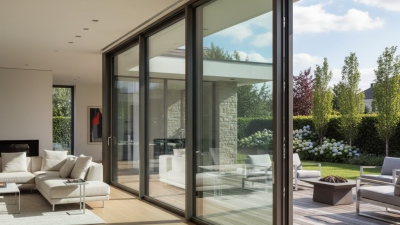
Top Sliding Glass Door Replacement Options for 2026?
As we approach 2026, homeowners increasingly prioritize energy efficiency and aesthetics in their sliding glass door replacement decisions. The market for sliding glass doors is projected to reach $2.8 billion by 2026, driven by the growing trend for open spaces and natural light. Many consumers are looking for products that not only enhance their living spaces but also provide long-term savings on energy bills.
Recent industry reports indicate that nearly 75% of homeowners consider energy efficiency a top priority when selecting sliding glass doors. High-performance glass options can reduce heating and cooling costs by up to 25%. However, navigating the many choices can be overwhelming. It's essential to balance style and functionality.
In a rapidly evolving market, homeowners must reflect on their needs. Choosing the right door can impact comfort and energy efficiency. It's a significant investment that requires careful consideration of materials, installation methods, and overall quality. Emphasizing expertise and reliable sources can help guide more informed decisions in the sliding glass door replacement journey.
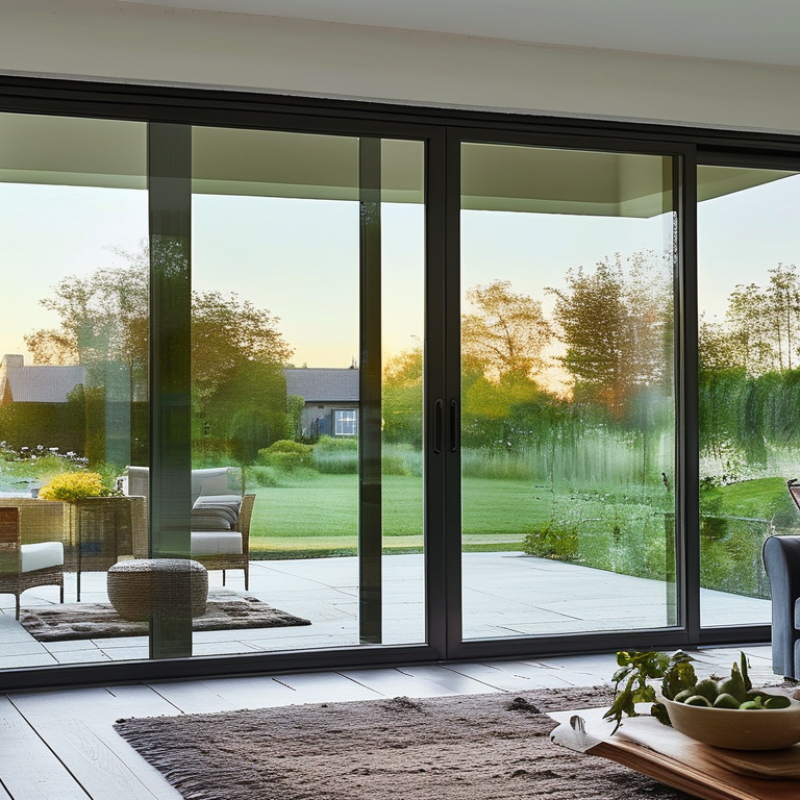
Top Sliding Glass Door Replacement Options for 2026
When considering sliding glass door replacements in 2026, several options stand out. Industry reports show that energy efficiency will dominate consumer preferences. According to the National Fenestration Rating Council, energy-efficient doors can reduce heating and cooling costs by up to 30%. This is a significant consideration for homeowners looking to lower utility bills while enhancing comfort.
In this context, selecting the right materials is crucial. Vinyl and fiberglass doors are popular for their durability and thermal performance. They can withstand varying weather conditions, which is vital for long-term reliability. Choose tempered glass for added safety. It's shatter-resistant and improves insulation.
Tips:
Investing in professional installation is essential. Poorly installed doors can lead to air leaks and higher energy costs. Additionally, consider features like sound insulation. Some doors offer better noise reduction, which is especially beneficial in urban settings. Remember, aesthetics matter. A well-chosen door enhances curb appeal and reflects personal style. Evaluate your options carefully; your choice should balance functionality and design.
Key Features to Consider in Sliding Glass Doors
When considering sliding glass door replacement options for 2026, it's essential to focus on key features.
Energy efficiency is paramount. According to the U.S. Department of Energy,
well-designed sliding glass doors can prevent heat loss by up to 40%.
Look for doors with Low-E glass coatings to significantly reduce energy costs.
Safety is another crucial aspect. Many sliding glass doors come with tempered glass,
which is less likely to shatter upon impact. The National Glass Association emphasizes that safety features like
multi-point locking systems can further enhance security. You want
protection without compromising aesthetics.
Tips: Choose doors with
high-quality frames. Vinyl or fiberglass frames offer durability and lower maintenance.
Remember, not all sliding doors are created equal. Evaluate warranties as they reflect the manufacturer's
confidence in their product. Frequent reviews often mention that slight adjustments and proper installation can help
prevent issues down the line.
Additionally, consider the door's size and opening mechanism.
Wider doors provide better access and natural light, enhancing the living space. However, these doors might require
more maintenance. Evaluate your lifestyle and select options that blend with your home's design and your personal needs.
Popular Materials for Sliding Glass Doors in 2026
In 2026, selecting the right materials for sliding glass doors is essential. Homeowners often face options like vinyl, aluminum, and wood. Each material offers unique benefits and drawbacks.
Vinyl is popular for its energy efficiency and low maintenance requirements. However, some may find it less visually appealing than wood options.
Aluminum boasts a sleek, modern aesthetic. It’s durable and can withstand harsh weather conditions. Still, it may not provide the best insulation. Some homeowners report feeling drafts in the winter.
Wood is a classic choice, bringing warmth and charm. It can be stained or painted to match any décor. However, wood doors require regular maintenance to prevent rot and warping.
Choosing the right material involves weighing these factors. Consider local climate and personal style preferences. Finding the balance can be challenging. Ultimately, the decision should enhance both functionality and the home's overall appearance.
Energy Efficiency Ratings and Insulation Options
When considering sliding glass door replacements for 2026, energy efficiency should be a priority. Studies have shown that energy-efficient doors can reduce heating costs by up to 25%. Insulation options play a crucial role in enhancing efficiency. Look for products with triple glazing or low-E coatings, which can significantly minimize heat loss.
Choosing Energy Star-rated doors is a smart move. They offer optimal insulation and save on energy bills. Additionally, the Department of Energy reports that well-insulated sliding doors can increase comfort by maintaining stable indoor temperatures. A carbon footprint reduction can also be achieved with these choices, reinforcing sustainability.
**Tip:** Always check the U-factor and solar heat gain coefficients (SHGC) before purchasing. A lower U-factor indicates better insulation performance. Testing results will reveal the door's long-term reliability. Remember, investing in quality is often more cost-effective in the long run.
Installation Tips and Common Challenges for Replacement
When it comes to sliding glass door replacements, installation can be both rewarding and challenging. Industry reports indicate that nearly 30% of DIY projects, including door replacements, face setbacks. Common issues often stem from improper measurements. Ensuring you measure the opening accurately is crucial, as an ill-fit can lead to drafts and higher energy bills.
Another challenge is dealing with the weight of the glass panels. Some sliding doors can weigh up to 400 pounds. Improper handling during installation can cause injuries or damage. Safety is paramount. It’s advisable to use proper lifting techniques or seek professional help. Professionals typically recommend using a team for larger panels to avoid accidents.
Weatherproofing is also a vital consideration. In North America, approximately 15% of sliding door failures result from inadequate sealing. Properly applied seals and insulation can mitigate water damage and drafts. Selecting high-quality materials is essential, as lower quality options may lead to costly repairs down the line. Assessing your knowledge and skills before starting is wise. Sometimes, hiring an expert can save you time and money in the long run.
Top Sliding Glass Door Replacement Options for 2026