2026 Top Home Windows Replacement Tips You Need to Know?
Replacing your home windows can be a transformative project. It enhances energy efficiency and boosts curb appeal. However, the process can be daunting. You need to know what to look for.
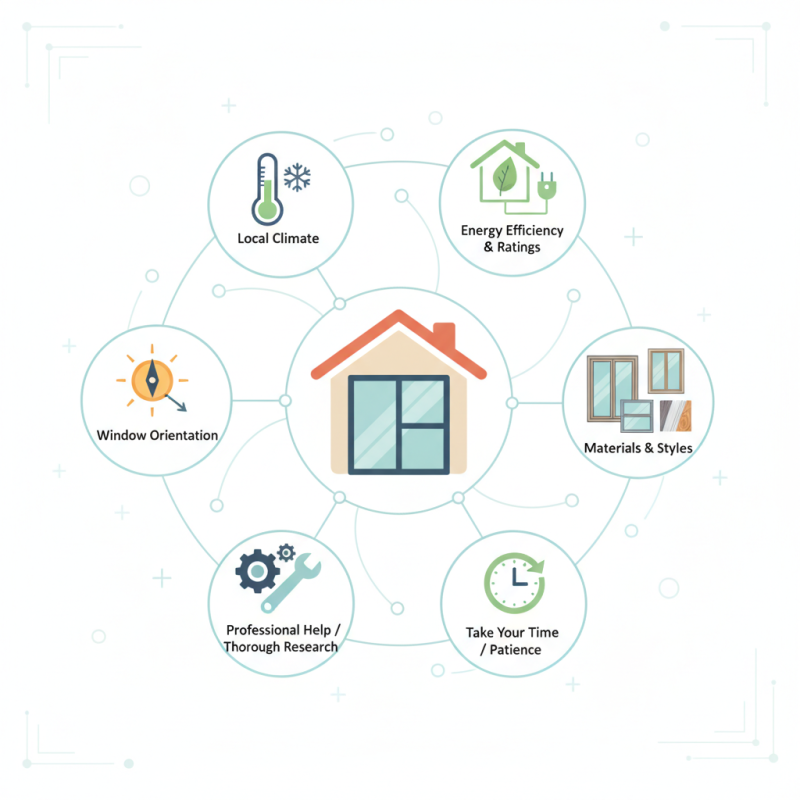
Home windows replacement involves various factors. Choose the right materials, styles, and energy ratings. Many homeowners struggle to make decisions under pressure. They often overlook essential details, such as local climate and window orientation. Each aspect significantly impacts your home’s performance and aesthetics.
Consider hiring professional help or doing thorough research. Mistakes can be costly. Many regret rushing their choices. Take your time. Understand your needs and the best options available. Effective home windows replacement requires patience and insight. Don't rush it.
Understanding Different Window Types for Replacement in 2026
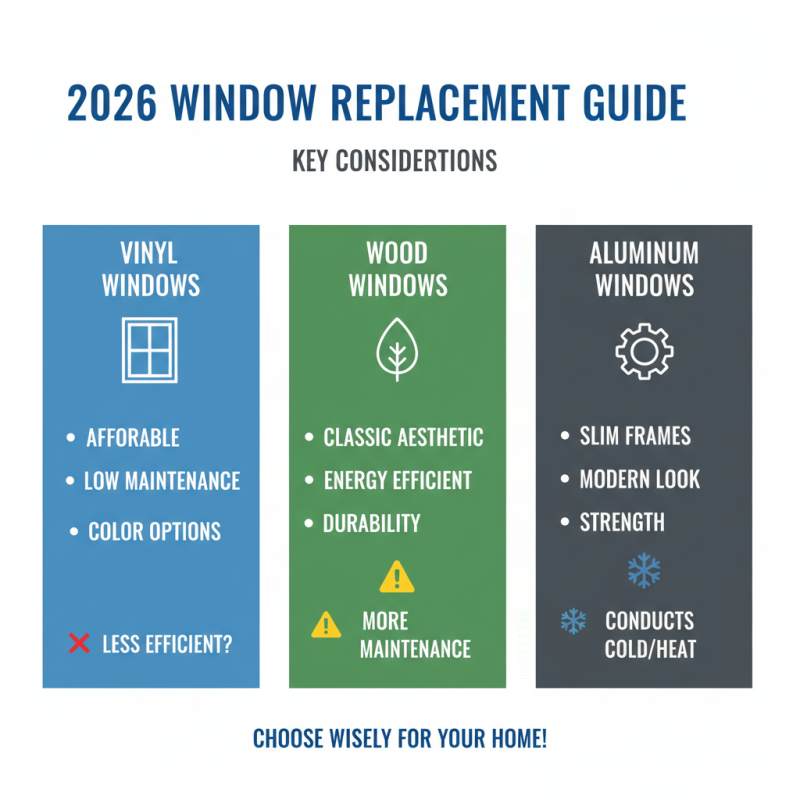
When it comes to replacing windows in 2026, understanding various types can make a big difference. There are many options available, each with its own benefits. For instance, vinyl windows are popular for their affordability and low maintenance. They come in many colors, providing aesthetic flexibility. However, they may not be as energy efficient as some other materials, which can be a drawback.
Wooden windows offer a classic look that complements traditional homes. They can be customized easily. Yet, they require regular upkeep to prevent rot and damage. On the other hand, fiberglass windows are durable and energy efficient but might be a significant investment. They handle extreme weather well, but some might find the cost prohibitive.
Consider also the functionality of the windows. Double-hung, casement, or sliding types all serve different purposes. Think about ventilation, cleaning ease, and space. Reflecting on how you use each room can guide your choice. Don’t rush the decision. Take time to weigh the pros and cons of each window type. A well-considered choice can enhance comfort and energy efficiency in your home.
Evaluating Energy Efficiency Ratings: What to Look For
When evaluating energy efficiency ratings for home windows, focus on a few key aspects. Start with the U-factor, which measures heat transfer. A lower U-factor indicates better insulation. Many homeowners overlook this detail, yet it significantly impacts energy costs. Windows with a U-factor of 0.30 or lower are ideal for energy savings.
Next, consider the Solar Heat Gain Coefficient (SHGC). This rating signifies how much heat from the sun enters your home. A lower SHGC is crucial in warmer climates, while a higher value might be beneficial in colder areas. It's essential to match this to your specific environment. Some people make the mistake of ignoring SHGC, leading to discomfort during peak seasons.
Lastly, look for ENERGY STAR labels when selecting windows. These labels are often a reliable indicator of efficiency. However, not all labeled products perform equally well. Doing research is necessary to ensure you're getting windows that meet your needs. Recognizing that energy efficiency in windows is not just a box to check, but a way to enhance comfort and savings, is essential.
Cost Analysis of Home Window Replacement in 2026: Budgeting Tips
Replacing windows can be a significant financial commitment for homeowners in 2026.
The average cost ranges from $300 to $1,000 per window, heavily influenced by material and installation costs.
A recent report from the National Association of Realtors indicates that window replacements provide an impressive return on investment,
often recouping around 73% of costs. However, budgeting can be tricky.
Consider the hidden expenses. You may need to remove old windows, repair surrounding structures,
or address insulation issues. This can add an extra 10-20% to your overall budget.
Research suggests that about 30% of homeowners underestimate these associated costs.
It's essential to plan for contingencies. Prioritize your spending.
Invest in energy-efficient windows, as they may reduce future utility bills.
Gather multiple estimates to ensure you're not overpaying. Quality installation can make a
significant difference. The right contractor can impact long-term performance. A careful approach to
budgeting can help you avoid the pitfalls of window replacement. Keep an eye on
local market trends, as prices can fluctuate.
Take the time to think beyond just immediate costs. Investing wisely can yield substantial benefits down the line.
Professional Installation vs. DIY: Making the Right Choice
When considering window replacement, the decision between professional installation and DIY can be challenging. Professional installers bring experience and efficiency to the job. They understand building codes and can ensure that each window fits properly. Moreover, they can handle potential complications with ease, like framing issues or unexpected gaps. Their expertise often leads to a longer-lasting result.
On the other hand, DIY projects can save money and offer a sense of accomplishment. You could learn about the process and customize your choices. However, without proper knowledge, mistakes can happen. Mismeasured windows or poorly sealed frames may lead to energy loss. This could cost you more in repairs than if you had hired a professional from the start. Reflecting on your skills and the project's complexity is essential before making a final choice.
Top 5 Material Options for Windows: Pros and Cons for Homeowners
When it comes to replacing home windows, the choice of materials is crucial. Each option comes with distinct advantages and disadvantages. According to a recent industry report, vinyl windows are popular among homeowners for their energy efficiency and low maintenance. They can save up to 30% on heating costs. However, they may not always be the best fit for every aesthetic. Some find them less appealing compared to wood or aluminum.
Wood windows are timeless and offer excellent insulation. They can enhance curb appeal significantly. Yet, they require regular upkeep, including painting and sealing. This can be a burden for many homeowners. A study from the National Association of Realtors indicates that wood windows can increase the home value by nearly 70% when well-maintained.
Aluminum windows are known for their durability. They resist warping and corrosion. Despite this, they conduct heat and cold, which can lead to higher energy bills. Homeowners need to weigh these factors carefully. Stronger insulation might be necessary. Fiberglass windows emerge as an alternative, providing both strength and energy efficiency. Still, they come at a higher initial cost.
2026 Top Home Windows Replacement Tips You Need to Know? - Top 5 Material Options for Windows: Pros and Cons for Homeowners
| Material Type |
Pros |
Cons |
Average Cost per Window |
| Vinyl |
Energy efficient, low maintenance, affordable |
Limited color options, less durable than wood |
$300 - $800 |
| Wood |
Excellent insulation, aesthetic appeal, customizable |
High maintenance, vulnerable to rot and pests |
$600 - $1,200 |
| Fiberglass |
Strong, energy-efficient, low maintenance |
Higher cost, limited availability |
$500 - $1,500 |
| Aluminum |
Durable, lightweight, modern look |
Poor insulation, can corrode |
$400 - $900 |
| Composite |
Energy-efficient, resistant to warping |
Generally more expensive, may have limited lifespan |
$700 - $1,500 |