Top 10 Home Windows Replacement Options to Enhance Your Home?
When considering home windows replacement, it's essential to understand the impact it has on your living space. According to Emily Hart, a renowned expert in home improvement, “The right windows can transform not just appearance, but energy efficiency.” With this in mind, homeowners should assess their options carefully.
Windows do more than frame our view. They control light, ventilation, and insulation. Investing in modern replacement windows can lead to significant energy savings. However, not all windows are created equal. You must consider materials, styles, and installation processes.
Some selections may limit your home's aesthetic appeal, while others might elevate its value. It's crucial to balance personal preference with practical needs. Each choice carries weight, and sometimes your first instinct may not be the best. Exploring these top 10 home windows replacement options can guide you in making an informed decision.
Factors to Consider When Choosing Replacement Windows for Your Home
When selecting replacement windows for your home, several critical factors come into play. First, energy efficiency is paramount. According to the U.S. Department of Energy, up to 30% of a home's heating and cooling energy is lost through inefficient windows. Therefore, considering the energy rating of windows can significantly impact utility bills and overall comfort. Look for windows with a high Energy Star rating, which can save homeowners an average of $350 annually.
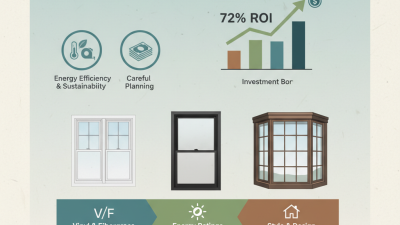
Next, consider the material and style of the windows. Common options include vinyl, wood, and fiberglass. Vinyl is low-maintenance and cost-effective, while wood offers aesthetic appeal but requires more upkeep. A report from the National Association of Realtors highlights that window replacements can recoup approximately 72% of their costs upon resale. This means the choice of material can affect not only energy savings but also future property value.
Finally, installation quality matters. Even the best windows will underperform if improperly installed. Research from the American Architectural Manufacturers Association shows that improper installation can lead to air leaks, affecting energy performance and stability. Therefore, hiring a qualified contractor is essential for ensuring the longevity and efficiency of your windows. This investment can ultimately save money in the long run and enhance your home's resale value.
Types of Window Materials: Pros and Cons of Each Option
When choosing window materials for replacement, understanding the pros and cons is crucial.
Vinyl windows are popular for their affordability and low maintenance.
They provide good insulation and weather resistance. However, they can become discolored over time, which might demand early replacement.
Wood windows offer natural beauty and excellent insulation.
They can be painted or stained to match any decor. Still, they need regular maintenance to prevent rot or warping.
This can become a time-consuming task for homeowners.
Aluminum windows are durable and resistant to corrosion.
They can be very thin and offer a modern aesthetic. Their downside?
They may not insulate as well as other materials, leading to higher energy costs.
Always consider your climate and personal preferences.
Tips: If you live in a humid area, prioritize materials that resist moisture damage.
Inspect windows regularly regardless of the type, as early detection of issues can save you money.
Take into account the style of your home, as mismatched windows might detract from its overall appeal.
Energy Efficiency Ratings: Understanding U-Values and Solar Heat Gain
When considering window replacements, understanding energy efficiency ratings is crucial. U-values measure heat transfer through windows. A lower U-value indicates better insulation. For instance, a double-glazed window may have a U-value around 1.2 W/m²K, while triple-glazed options can reach as low as 0.7 W/m²K. Choosing windows with low U-values can significantly impact your energy bills.
Solar heat gain coefficient (SHGC) is another important factor. It indicates how much solar radiation passes through a window. Lower SHGC values reduce cooling costs in warm climates. For example, windows with SHGC below 0.4 are typically desirable. They allow less heat, which is a factor to consider during the selection process.
Tips: Always check the ENERGY STAR ratings when choosing windows. It can guide you to energy-efficient products. Investing in high-quality windows may seem costly, but their long-term savings justify the expense. You might find that cheaper options require more frequent replacements. Prioritize durability to avoid regrets later.
Popular Window Styles for Various Home Designs and Aesthetics
When considering window styles for home designs, choices can significantly affect aesthetics and energy efficiency. According to the National Association of Home Builders, 80% of homeowners believe window replacement boosts curb appeal. Popular styles like double-hung windows offer versatility. They suit both modern and traditional homes. Their design allows for easy cleaning and ventilation, making them a practical choice.
Casement windows are another favored option. They provide an unobstructed view, allowing natural light to fill interiors. Reports show that these windows can enhance airflow, potentially decreasing energy costs by up to 20%. However, they may require more maintenance due to their hardware. Homeowners should weigh the pros and cons of each style.
Bow and bay windows create a striking focal point. They expand living spaces and allow for panoramic views. But installation can be complex and costly. While these options offer a unique aesthetic, make sure the financial investment aligns with your long-term home goals. Every style has its strengths and weaknesses, demanding careful consideration before making a choice.
Top 10 Home Windows Replacement Options
Installation Tips: Ensuring a Proper Fit and Seal for Longevity
When considering home window replacements, proper installation is crucial for long-lasting performance. Many homeowners overlook the importance of a perfect fit and seal, which can lead to energy loss. According to a report by the U.S. Department of Energy, poorly installed windows can waste up to 30% of heating and cooling energy. Choosing the right materials is important as well. Double-glazed windows provide better insulation than single-pane options, which can significantly reduce energy usage.
Tips for ensuring a proper fit and seal include measuring twice before purchasing any windows. Accurate dimensions are essential for effective installation. Use caulk or weather stripping around the edges to fill gaps and enhance airtightness. This prevents drafts that could compromise your home's energy efficiency. Also, consider installing windows during dry weather. This allows materials used for sealing to adhere better and ensures water doesn't interfere with the installation process.
It's also worthwhile to inspect existing frames before installation. Damaged or rotting frames can lead to additional problems down the line. A solid frame supports longevity and insulation. Remember, investing time in the installation process pays off in the long run, saving you costs on energy bills and maintenance.
Top 10 Home Windows Replacement Options to Enhance Your Home
| Window Type |
Material |
Energy Efficiency Rating |
Average Cost |
Lifespan (Years) |
Installation Tips |
| Double-Hung Windows |
Vinyl |
Energy Star Rated |
$300 - $700 |
20 - 30 |
Ensure proper alignment for smooth sliding. |
| Casement Windows |
Wood |
Energy Star Rated |
$400 - $800 |
25 - 35 |
Check hardware for functionality before installation. |
| Sliding Windows |
Aluminum |
Energy Star Rated |
$350 - $750 |
15 - 25 |
Ensure the tracks are clean and properly aligned. |
| Awning Windows |
Vinyl |
Energy Star Rated |
$400 - $700 |
20 - 30 |
Install with a slight slope for optimal water drainage. |
| Picture Windows |
Fiberglass |
Energy Star Rated |
$500 - $1,200 |
30 - 50 |
Ensure accurate measurement for a tight fit. |
| Bay Windows |
Wood |
Energy Star Rated |
$1,000 - $3,500 |
25 - 40 |
Use scaffolding for support during installation. |
| Garden Windows |
Vinyl |
Energy Star Rated |
$800 - $1,500 |
20 - 30 |
Ensure sealant is applied correctly to prevent leaks. |
| Skylights |
Glass |
Energy Star Rated |
$1,000 - $3,000 |
15 - 25 |
Install during dry weather for best conditions. |
| Storm Windows |
Aluminum |
Not Rated |
$200 - $500 |
20 - 30 |
Seal edges with weather stripping for better insulation. |