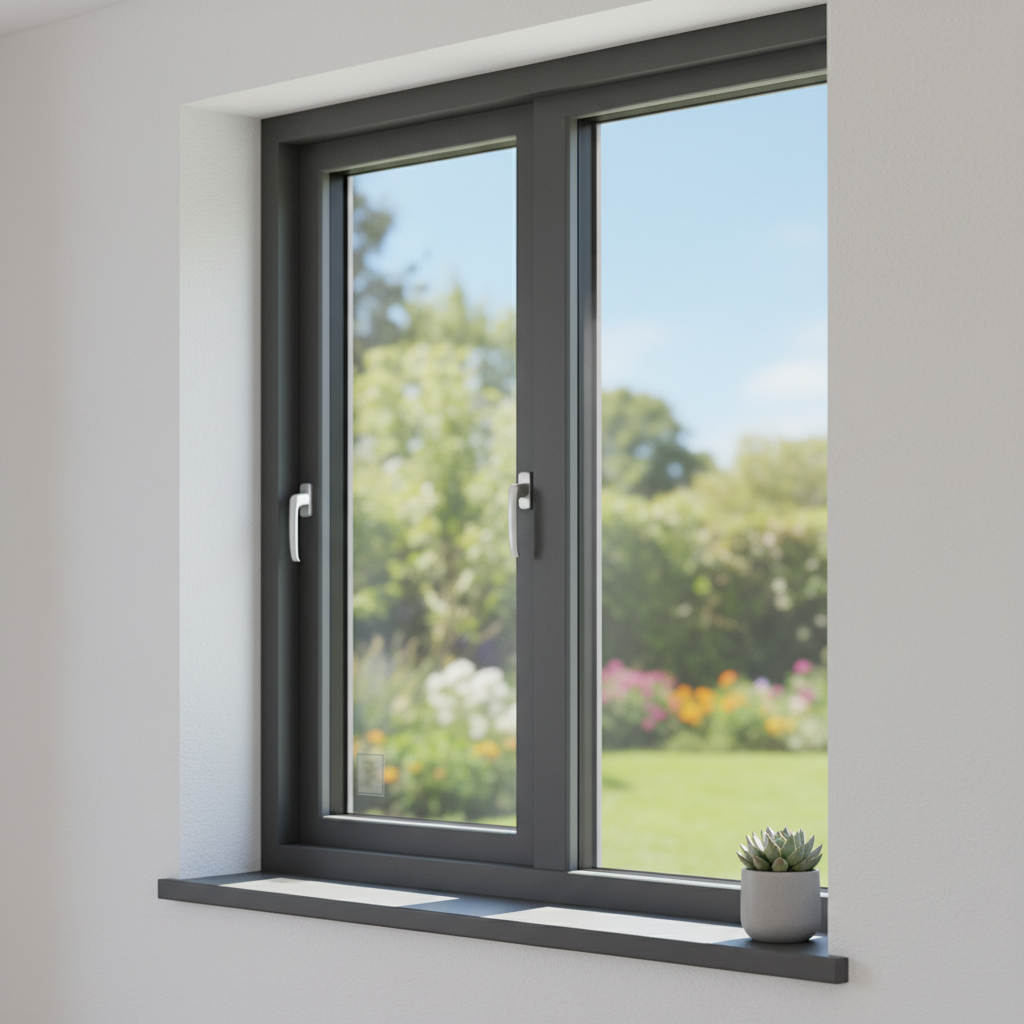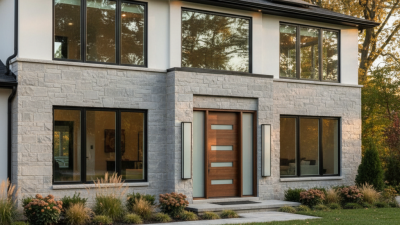
In recent years, energy efficiency has become a paramount concern for homeowners seeking to reduce their environmental footprint and lower energy costs. One of the most effective ways to achieve these goals is through window replacements. According to the U.S. Department of Energy, up to 30% of a home's heating and cooling energy use can be lost through inefficient windows. Therefore, selecting the right window replacements not only enhances comfort but also significantly contributes to energy savings.
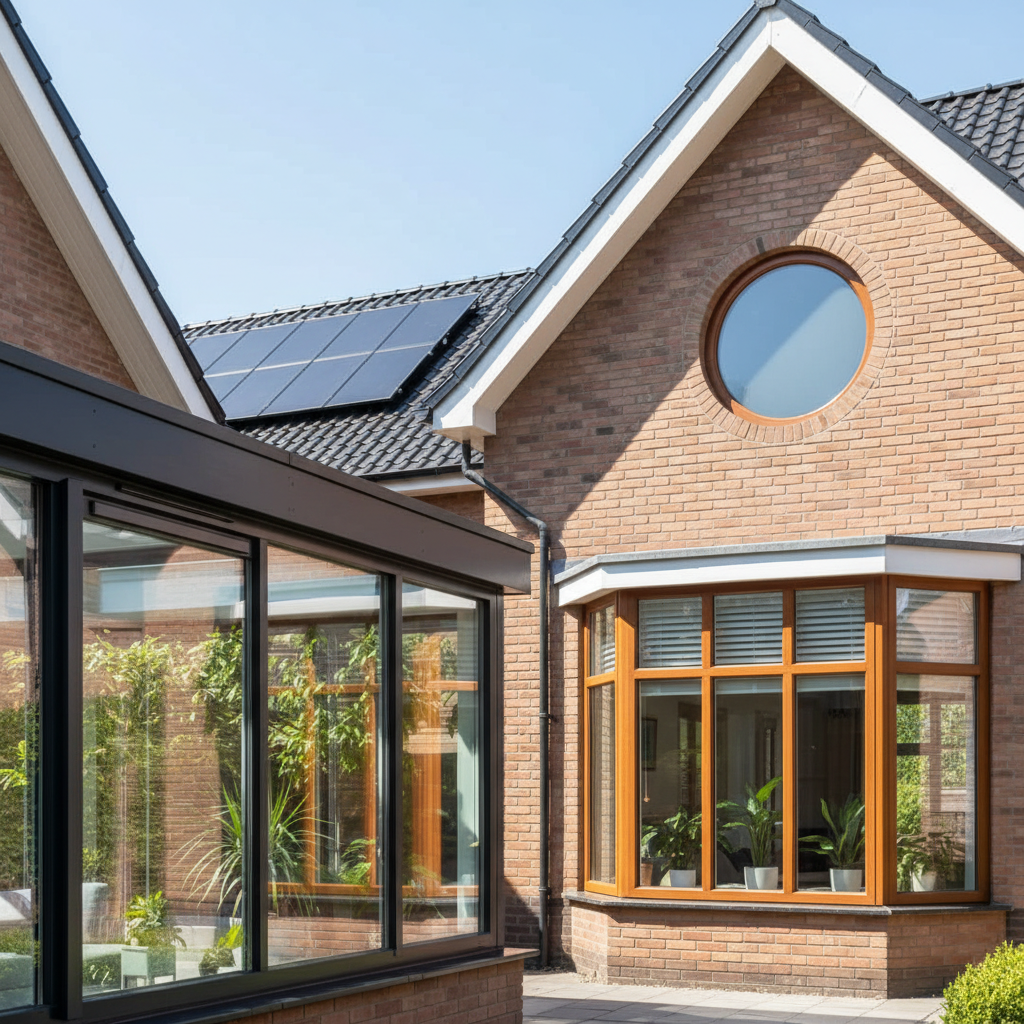
As we look towards 2025, the importance of making informed choices in window options continues to grow. The latest industry reports indicate that advancements in technology and materials have led to a new generation of energy-efficient windows that can dramatically reduce energy consumption. For instance, Energy Star-rated windows can lower energy bills by an average of 12% compared to standard models. This underscores the need for homeowners to be aware of the top window replacements currently available. By choosing the best options in the market, individuals can invest in windows that not only elevate the aesthetic appeal of their homes but also promote sustainable living practices.
When considering window replacements in 2025, energy efficiency plays a pivotal role, particularly through the choice of materials and their associated R-values. R-value, indicative of a window's resistance to heat flow, is a crucial factor that determines its energy-saving potential. Among the top contenders for energy-efficient windows, materials such as fiberglass, vinyl, and double or triple-glazed glass showcase superior thermal performance, significantly enhancing home insulation.
Fiberglass windows, for instance, offer one of the highest R-values, often exceeding 10, due to their inherent strength and stability, making them a long-term investment. Vinyl windows also provide excellent thermal efficiency, with R-values around 3 to 5, while requiring minimal maintenance. Moreover, advanced glazing technologies have emerged, such as low-E coatings, which further improve insulation quality and reduce energy costs. By focusing on these materials and their respective R-values, homeowners can make informed decisions that not only enhance comfort but also contribute to sustainable living in the coming years.
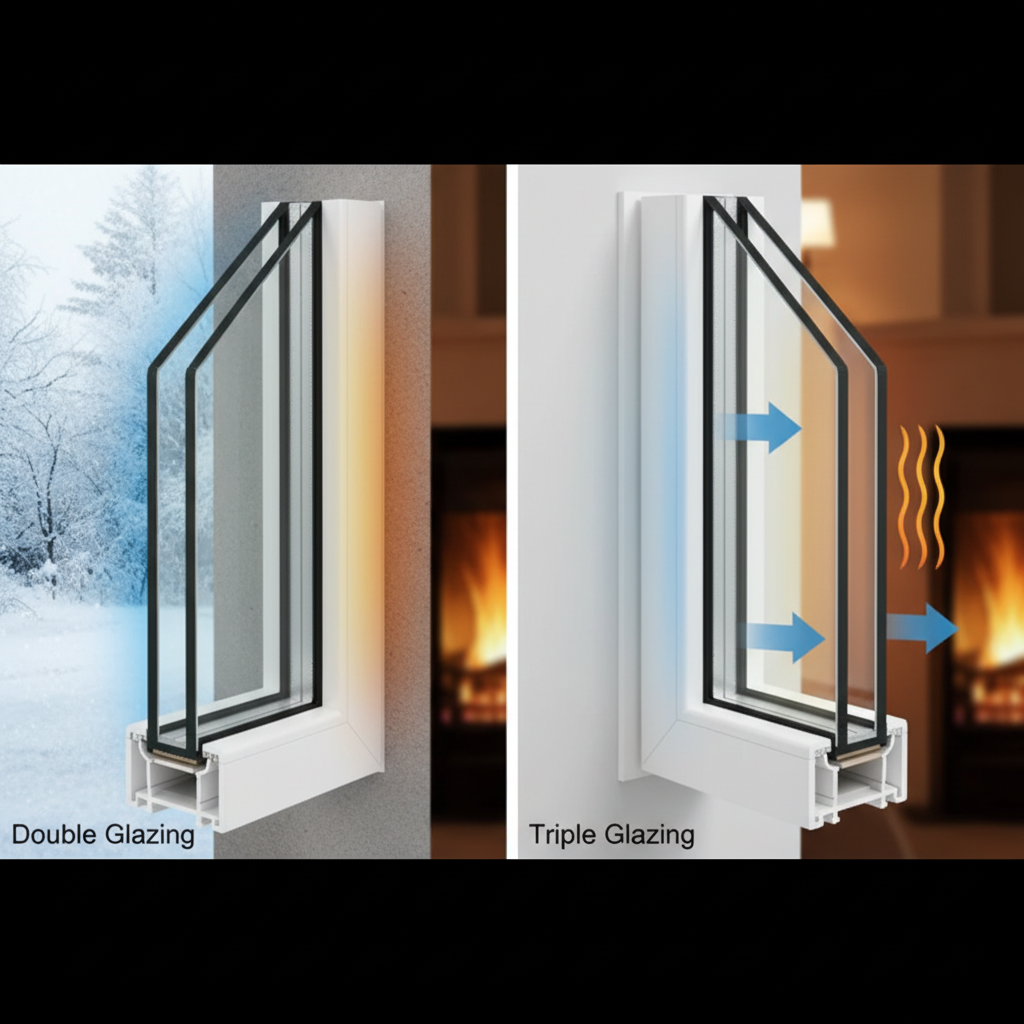
When considering window replacements for optimal energy efficiency, the choice between triple and double glazing is crucial. Triple glazing, consisting of three panes of glass with insulated spaces between them, offers superior thermal performance. This design minimizes heat loss and reduces energy bills, making it an excellent choice for colder climates. In contrast, double glazing is adequate for many households and offers a balance between efficiency and cost.
Tip: When selecting new windows, consider the climate you live in. If you experience harsh winters, investing in triple glazing could provide significant long-term savings on heating costs. Additionally, check for window ratings such as U-value, which indicates thermal resistance.
While double glazing may suffice in milder regions, triple glazing’s added insulation can help maintain a comfortable indoor temperature year-round. This is particularly beneficial in reducing reliance on heating and cooling systems, leading to more sustainable living.
Tip: Look for energy-efficient certifications when shopping for windows. This can help you identify products that not only meet but exceed standard energy-saving requirements. Make sure you also explore incentives or rebates available for energy-efficient home upgrades in your area.
The orientation of windows plays a critical role in energy efficiency and can significantly impact utility bills. Windows facing south tend to capture the most sunlight throughout the day, making them ideal for passive solar heating, especially in colder climates. This positioning allows homeowners to take advantage of natural light, reducing reliance on artificial lighting while also heating spaces without excessive energy consumption. However, in warmer regions, south-facing windows can lead to overheating during summer months, necessitating advanced glazing technologies or shading solutions to maintain comfort and efficiency.
Conversely, north-facing windows typically receive less direct sunlight, which can be beneficial for maintaining cooler indoor temperatures in hot climates. This orientation minimizes heat gain and helps in maintaining a comfortable environment year-round. Additionally, implementing energy-efficient window technologies, such as low-emissivity (low-E) coatings, can further enhance performance, regardless of orientation. Therefore, when considering window replacements, homeowners should carefully evaluate window orientation in relation to their geographic location and climate, as this decision profoundly influences overall energy efficiency and long-term utility savings.
When considering window replacements in 2025, the focus on insulation technologies has never been more crucial. Advanced materials such as triple-glazed glass and high-performance low-E coatings are leading the way in enhancing energy efficiency. According to the U.S. Department of Energy, well-insulated windows can reduce energy loss by up to 30%. This statistic underscores the importance of selecting the right window products that not only meet aesthetic demands but also significantly lower heating and cooling costs.
In addition to glass technologies, the integration of insulated frame materials is a game changer. Manufacturers are increasingly utilizing fiberglass and polyurethane, which provide superior thermal resistance compared to traditional wood or vinyl frames. A recent report by the National Fenestration Rating Council indicates that these materials can elevate a window's R-value – a measure of thermal resistance – by as much as 50%. As homeowners strive for sustainability and energy savings, embracing these cutting-edge insulation technologies will undoubtedly play a pivotal role in the 2025 window replacement market.
Upgrading to Energy Star certified windows can significantly reduce yearly energy costs for homeowners. These windows are designed with advanced technologies that enhance insulation, preventing heat loss in winter and reducing heat gain in summer. As a result, homeowners can maintain a comfortable indoor temperature while relying less on heating and cooling systems, leading to substantial savings on energy bills. Research indicates that households can save anywhere from 7% to 15% on their annual energy expenses when switching to these energy-efficient windows.
In addition to immediate cost savings, Energy Star certified windows also contribute to long-term financial benefits. By improving the overall energy efficiency of a home, these upgrades can increase property value and appeal to environmentally conscious buyers. A well-insulated home is often more marketable, as it signifies lower utility costs and a reduced carbon footprint. Furthermore, many utility companies offer rebates or incentives for homeowners who make the switch, further enhancing the financial advantages of investing in energy-efficient windows.
| Window Type | Energy Rating (U-Value) | Estimated Yearly Energy Cost Savings | Lifetime (Years) | Recyclability |
|---|---|---|---|---|
| Double Glazed Low-E | 0.30 | $200 | 20 | Yes |
| Triple Glazed | 0.20 | $300 | 30 | Yes |
| Vinyl Replacement Windows | 0.28 | $250 | 25 | No |
| Fiberglass Windows | 0.23 | $280 | 25 | Yes |
| Aluminum Frame Windows | 0.30 | $150 | 15 | Yes |
| Wood Windows | 0.25 | $160 | 20 | Yes |
| Composite Windows | 0.24 | $220 | 25 | Yes |
| Sliding Windows | 0.29 | $170 | 20 | Yes |
| Casement Windows | 0.22 | $240 | 25 | Yes |
| Picture Windows | 0.19 | $180 | 30 | Yes |