Top 10 Tips for Choosing the Best Windows and Doors for Your Home

When it comes to enhancing the aesthetic appeal, functionality, and energy efficiency of your home, the choice of windows and doors plays a crucial role. These elements not only contribute to the overall design and character of your property but also impact your comfort and security. With numerous options available on the market, selecting the right windows and doors can be a daunting task. This guide aims to simplify that process by presenting the top ten tips to consider when making your choices.

From understanding the different materials available to evaluating energy efficiency ratings, each aspect plays a pivotal role in ensuring that your investment pays off in the long run. Furthermore, the style and size of windows and doors need to be compatible with your home's architecture, enhancing its curb appeal while providing adequate ventilation and natural light. By carefully considering these factors, homeowners can achieve a balance of beauty and practicality that suits their lifestyle and preferences. Making informed decisions about windows and doors will not only elevate your living space but also increase its value and sustainability.
Top 10 Tips for Choosing the Best Windows and Doors for Your Home

Understanding Your Home's Architectural Style for Door and Window Choices

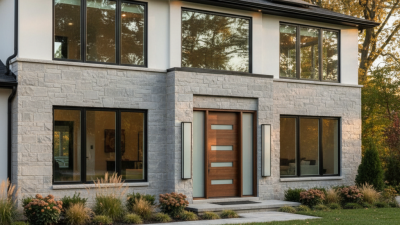
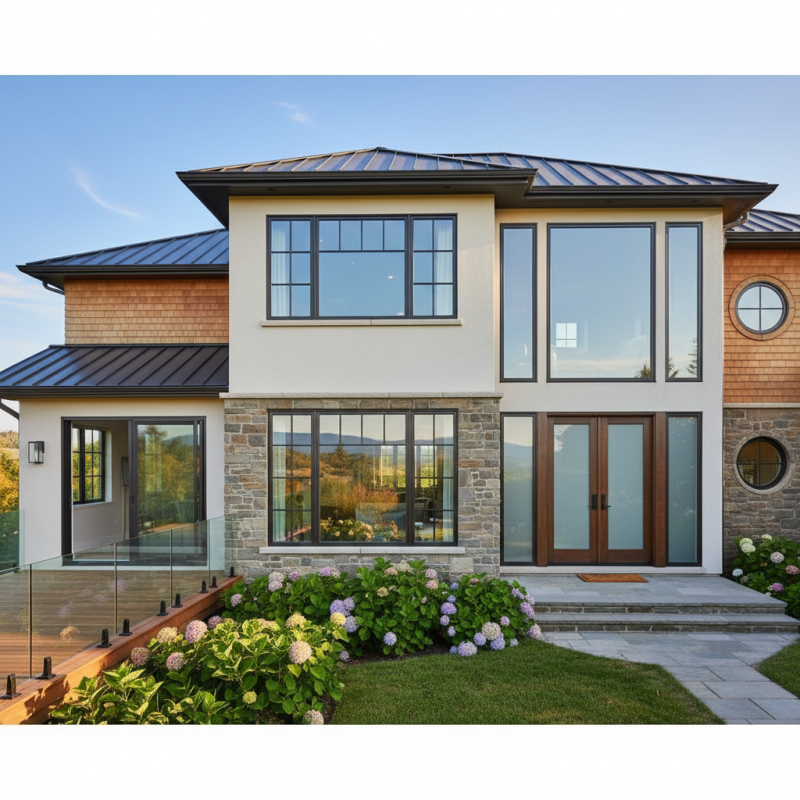
When selecting windows and doors for your home, understanding your home’s architectural style is crucial. Different designs bring unique aesthetics and characteristics that should be complemented rather than contradicted. For instance, traditional homes often benefit from classic wooden frames and double-hung windows that enhance their timeless appeal. In contrast, modern homes may opt for sleek, minimalist designs with large glass panes that emphasize openness and light.

One tip to consider is the scale of your windows and doors. Ensure that their size is proportional to the rest of your home, especially if you are renovating or replacing existing ones. Oversized windows in a small cottage can create an imbalance, while small windows in a grand estate might feel lost and underwhelming. Additionally, think about the shapes and styles—arched windows can add elegance to a Victorian home, while clean lines work well with contemporary designs.

Another important aspect is color and material. Choosing the right finishes not only affects the visual harmony of your home but also its durability. For instance, a rustic wooden door can beautifully complement a log cabin, while a metal door in a bold color might make a striking statement in an industrial-style building. By aligning your selections with your architectural style, you can enhance your home’s curb appeal and ensure that your new windows and doors contribute to your overall design vision.
Assessing Energy Efficiency Ratings and Their Impact on Insulation

Top 10 Tips for Choosing the Best Windows and Doors for Your Home

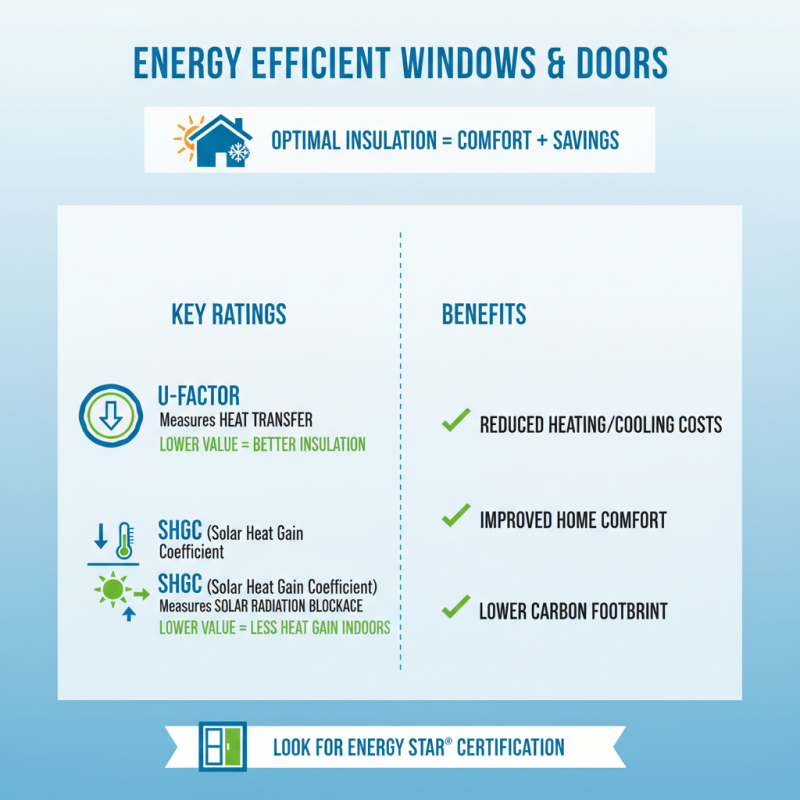
When selecting windows and doors for your home, understanding energy efficiency ratings is crucial to ensuring optimal insulation. These ratings reflect how well a product can prevent heat transfer, ultimately influencing your home's comfort and heating costs. Look for windows and doors that bear energy performance labels, typically indicating their U-factor and Solar Heat Gain Coefficient (SHGC). The U-factor measures how well a building element insulates, with lower values signifying better insulation performance. Meanwhile, the SHGC indicates how much solar radiation passes through, which can significantly affect indoor temperatures.

Another vital aspect is considering the materials used in windows and doors. Certain materials, such as vinyl and fiberglass, tend to offer superior insulation properties compared to others. Additionally, double or triple-glazed windows provide enhanced energy efficiency by creating multiple layers of air or gas that act as insulators. By prioritizing energy-efficient products, homeowners can not only reduce their carbon footprint but also save on energy bills, making a significant long-term impact on both the environment and their finances. Assessing these features before making a purchase is essential for optimal energy performance in your home.

Selecting the Right Materials for Durability and Aesthetic Appeal

When selecting windows and doors for your home, one of the most critical factors to consider is the material used in their construction. Materials not only influence the durability and maintenance requirements of the windows and doors but also have a significant impact on the aesthetic appeal of your home. Opting for materials such as wood, vinyl, fiberglass, or aluminum comes with distinct advantages and drawbacks. For example, wood offers natural beauty and excellent insulation but requires regular maintenance to prevent rot and warping. On the other hand, vinyl is low-maintenance and energy-efficient but may lack the elegance that comes with natural materials.

In addition to functionality, the right materials can enhance the overall design of your home. If you aim for a traditional look, wooden frames with intricate designs might be your best bet, whereas modern homes typically benefit from sleek aluminum or fiberglass options that provide a contemporary appearance. It’s essential to consider how these materials can harmonize with the overall design of your exterior. Additionally, think about how the color and finish of the windows and doors can complement other architectural elements of your home, ensuring a cohesive and appealing aesthetic. Making informed choices about materials will not only elevate your home’s beauty but also ensure its longevity and efficiency.

Top 10 Tips for Choosing the Best Windows and Doors for Your Home

Tip Description Material Type Aesthetic Appeal Durability
1. Consider Energy Efficiency Look for windows and doors with a high energy efficiency rating. Vinyl, Wood-Clad Modern & sleek designs High durability with proper maintenance
2. Choose the Right Style Select styles that match your home's design. Fiberglass, Wood Classic or contemporary Good with proper sealing
3. Assess Security Features Check for locks and materials that enhance security. Steel, Laminated Glass Modern look Highly durable
4. Look for Customization Options Ability to customize shapes, sizes, and colors. Aluminum, Composite Various styles available Moderately durable
5. Evaluate Maintenance Requirements Consider how much upkeep is needed. Vinyl Varied options Highly durable, low maintenance
6. Check Warranty Options Understand warranty coverage and length. Varies by manufacturer Depends on the design Highly dependent on material
7. Compare Costs Get multiple quotes and understand what you're paying for. All materials Available in various finishes Varies widely
8. Seek Professional Guidance Consult with experts for optimal choices. All types Tailored recommendations Depends on advice received
9. Ensure Proper Installation Quality of installation impacts performance and longevity. Any material Installation design matters Insufficient installation decreases durability
10. Review Customer Feedback Look for reviews and testimonials to gauge satisfaction. Various brands Design influences opinions Durability is often mentioned

Determining the Best Security Features for Your Windows and Doors

Top 10 Tips for Choosing the Best Windows and Doors for Your Home

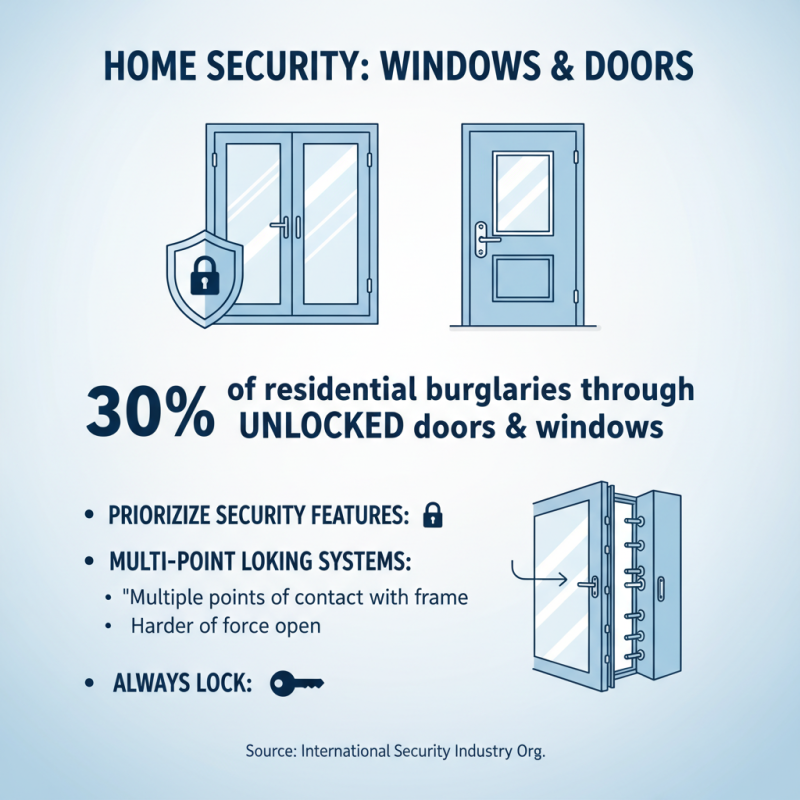
When it comes to selecting windows and doors for your home, prioritizing security features is essential. According to the International Security Industry Organization, nearly 30% of all residential burglaries occur through unlocked doors and windows, underscoring the importance of choosing products that emphasize security. One of the primary considerations should be the locking systems in place; multi-point locking systems can significantly enhance the security of your windows and doors by providing multiple points of contact with the frame, making it harder for intruders to pry them open.

Additionally, the materials used in windows and doors play a critical role in their security. Reports from the American Architectural Manufacturers Association indicate that reinforced or laminated glass can reduce the risk of breakage, acting as a deterrent against forced entry. Furthermore, investing in features such as security screens or impact-resistant frames not only helps to protect your home from potential break-ins but also provides added benefits against extreme weather conditions. By focusing on these security innovations in your selection process, you can significantly enhance your home's safety and peace of mind.

Evaluating Installation Options: DIY vs. Professional Services

When it comes to selecting windows and doors for your home, one critical decision lies in how these installations are handled: DIY or professional services. According to the American Home Improvement Survey, nearly 45% of homeowners consider DIY projects to save on costs. However, while tackling such installations on your own might seem financially appealing, one should weigh the risks involved. Poor installation can lead to significant issues, like air leaks and water damage, which could eventually cost more in repairs than hiring professionals initially would.

Professional installation services, as highlighted by the Window & Door Market Research, suggest that homes installed by professionals see up to a 70% increase in energy efficiency compared to DIY installations. This enhancement not only enhances comfort but also ensures that windows and doors function as intended, preserving their warranty. Moreover, skilled installers often have access to specialized tools and techniques that facilitate a seamless installation, delivering results that meet industry standards. Thus, while DIY might offer short-term savings, entrusting the installation to professionals can lead to long-term benefits in home value and energy efficiency.

Top 10 Tips for Choosing the Best Windows and Doors for Your Home

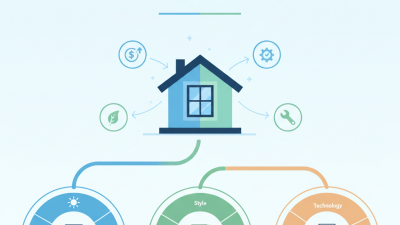
This chart illustrates the importance rating of various factors when choosing the best windows and doors for your home. The ratings, on a scale from 1 to 10, reflect the prioritization of features such as energy efficiency, material quality, and aesthetic appeal among homeowners.