Top Tips for Choosing the Best Window Installers Near You
Choosing the right window installers is a crucial step in ensuring that your home is both energy-efficient and aesthetically pleasing. With numerous options available, it can often feel overwhelming to select a reputable installer who can meet your needs while adhering to your budget. The importance of professional installation cannot be understated; improper installation can lead to air leaks, water damage, and a significant decrease in your home's overall energy efficiency.
In this guide, we will provide you with essential tips to help you navigate the selection process for window installers in your area. By understanding key factors such as experience, customer reviews, and licensing requirements, you can make an informed decision that will benefit your home in the long term. Whether you are renovating your current space or building a new one, taking the time to research and choose the best window installers will help ensure that your investment pays off in both comfort and savings.

Understanding Window Installation: Key Statistics and Industry Insights
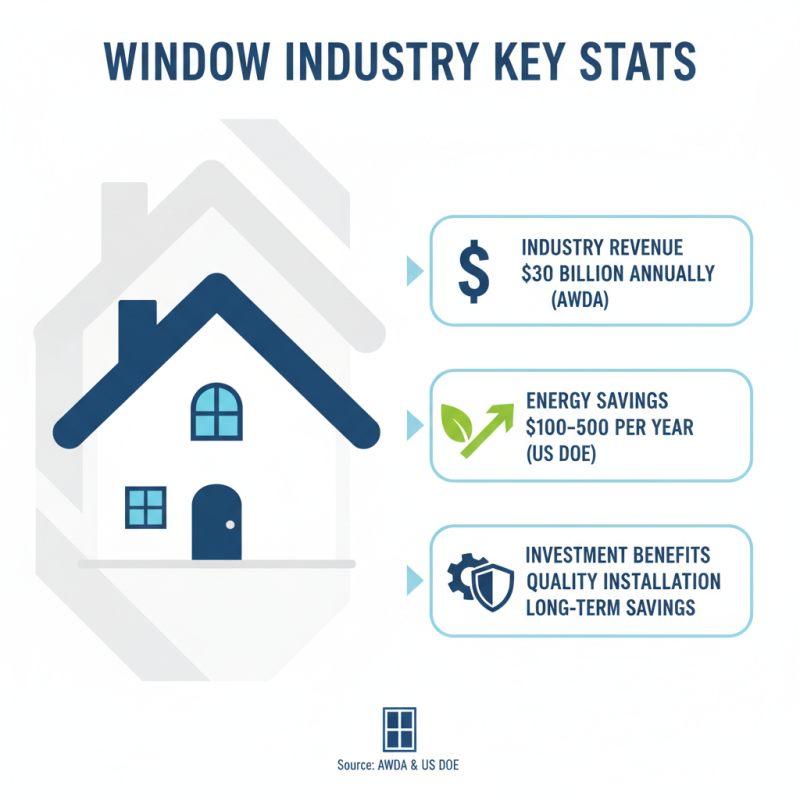
When considering window installation, it's crucial to be informed about the key statistics and insights that shape the industry. According to the American Window and Door Association (AWDA), the window and door manufacturing industry generates approximately $30 billion in revenue annually, highlighting its significance in the construction and home improvement sectors. Moreover, a report from the U.S. Department of Energy indicates that energy-efficient windows can save homeowners an average of $100 to $500 a year on energy bills, emphasizing the long-term benefits of investing in quality window installations.
Recent industry trends show that homeowners are increasingly prioritizing energy-efficient and sustainable options in their window choices. The National Fenestration Rating Council (NFRC) states that over 50% of new window sales in 2022 featured energy-efficient ratings, reflecting growing consumer awareness about environmental impact and cost savings. Additionally, as more homeowners choose to remodel rather than relocate, the demand for window upgrades is expected to rise, predicting an increase of 3% in window sales over the next five years. This shift not only enhances home aesthetics but also improves overall property value, making it vital for homeowners to carefully select qualified window installers who adhere to industry standards and practices.
Comparing Cost: Average Installation Prices and Budgeting Tips
When it comes to window installation, understanding the average costs is crucial for effective budgeting. Typically, the price for window installation varies widely depending on factors such as the type of windows, the complexity of installation, and the geographical location. On average, homeowners can expect to pay anywhere from $300 to $1,000 per window, with additional charges for frame replacements or structural modifications. It's essential to gather multiple quotes from local installers to compare prices and ensure you're getting a fair deal.
Budgeting for window installation should also consider not just the installation costs, but also additional expenses such as permits, old window disposal fees, and possible repairs to the surrounding structure. Create a detailed budget that estimates all potential expenses, leaving a buffer for unexpected costs.
Moreover, consider financing options or seasonal discounts that may be available. By being proactive in your budgeting and seeking multiple estimates, you can make an informed decision and avoid overspending on your window installation project.
Customer Reviews: Importance of Testimonials in Choosing Installers
When searching for the best window installers in your area, customer reviews play a crucial role in the decision-making process. Testimonials from previous clients provide invaluable insights into the quality of service, professionalism, and reliability of an installer. Positive reviews often highlight key aspects such as timely project completion, attention to detail, and overall customer satisfaction. These firsthand accounts serve as a vital resource for potential customers looking to gauge the competence and trustworthiness of a service provider.
Conversely, negative reviews can also offer important lessons. They may reveal common issues faced by other customers, such as poor communication, subpar workmanship, or delayed timelines. Analyzing both positive and negative feedback enables homeowners to make a more informed choice. In addition, seeking out reviews from reputable platforms or local forums can ensure the authenticity of the feedback, helping you to avoid potential pitfalls in selecting window installers.
Quality Assurance: Assessing Warranty and After-Service Options
When selecting window installers, one critical aspect often overlooked is the
quality assurance provided
through warranty and
after-service options. According to a report from the
National Association of Home Builders (NAHB), nearly 80% of homeowners
prioritized warranty coverage when choosing contractors, highlighting the importance
of this factor in decision-making. A comprehensive warranty not only protects
homeowners from potential defects in installation but also reflects the installer’s
confidence in their workmanship.
Additionally, after-service options can significantly enhance the overall customer
experience. A recent survey by Remodeling Magazine indicates that 68%
of homeowners who reported a satisfactory post-installation
service experience mentioned they would recommend their installers to others. This
demonstrates that reliable after-service—such as timely response to issues and ongoing
support—can foster trust and ensure the longevity of the installation. Before making
a final decision, potential customers should thoroughly assess both warranty details
and after-service commitments, ensuring that they select a contractor who values
quality and customer
satisfaction as much as they do.