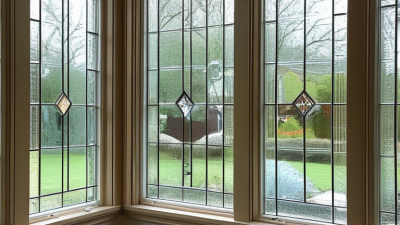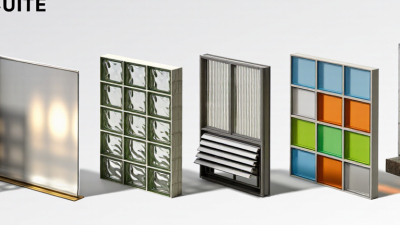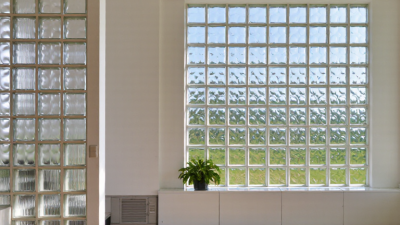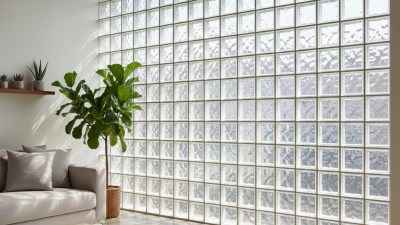
A glass block window can brighten a bathroom while softening the view from outside. But appearance is only part of the decision. Before comparing prices, consider where the window will go, how much privacy you need, and whether the wall can support its weight. A narrow basement opening has different demands from a wide shower wall. Small details matter.
As glass-block specialist [Name] advises, “[Insert a verified quotation about choosing or installing glass block windows].” A sourced quotation matters: product advice should be traceable, not dressed up as expertise. In this guide, the seven tips focus on practical checks buyers can make, including block size, light transmission, ventilation, framing, installation method, and warranty terms. Hold a sample near the opening if possible. See how it changes the light at different times of day.
Do not assume every glass block window is equally private or easy to install. Some patterns blur shapes better than others, and a fixed panel will not provide fresh air. Ask who handles measuring, sealing, and any needed finishing. Get those details in writing. One caveat: a low price may look attractive until delivery or installation costs appear. The right choice depends on the opening and your priorities—not on a showroom display alone.
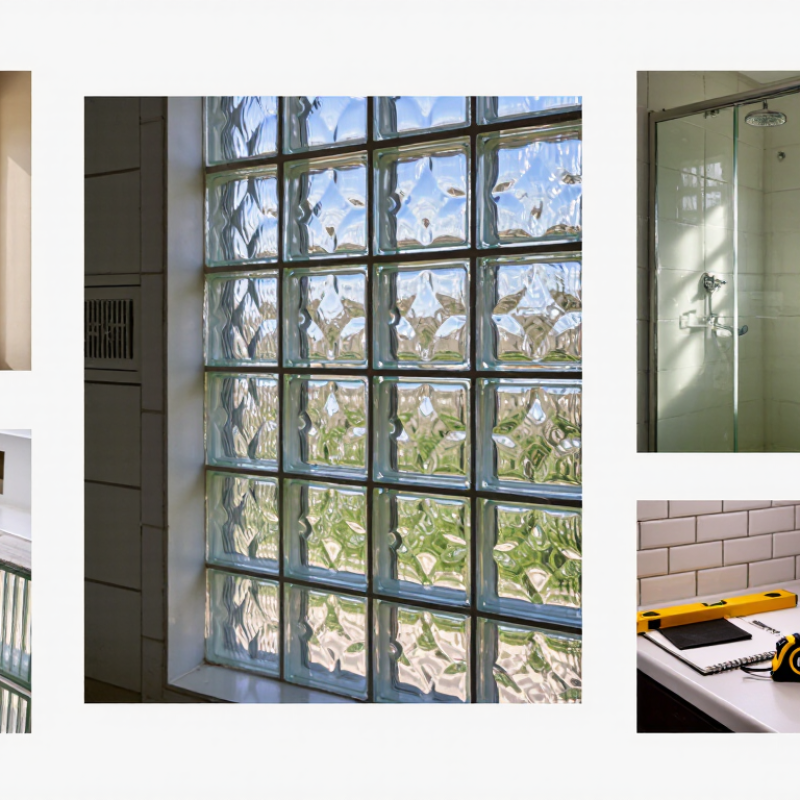
Before choosing glass block, decide what the window must do. A basement wall may need privacy and borrowed daylight, while a bathroom may need both privacy and reliable ventilation. Glass block can diffuse bright light and blur direct views. Most panels are fixed, though some designs include operable vents. Check the exact configuration before assuming fresh air will reach a damp room. A small detail, but an important one.
Location affects comfort, too. The U.S. Department of Energy’s Energy Saver guidance estimates that windows account for 25–30% of residential heating and cooling energy use. That figure covers windows generally, not every glass-block assembly. Ask for the product’s tested U-factor and solar heat gain coefficient, and compare them with the needs of your climate and wall. The National Fenestration Rating Council explains these ratings on its window labels. For a cold basement, poor thermal performance can leave the area feeling chilly. For a sunny stairwell, excess heat may matter more.
Think about installation conditions before ordering. Measure the rough opening, note nearby plumbing or wiring, and check whether the wall needs an opening for ventilation or emergency access. A fixed panel may not meet that need. I’d pause here and verify the plan with a qualified installer; measurements on paper can miss uneven masonry. A little caution helps.
Glass block privacy depends on both pattern and viewing angle. Clear, smooth blocks pass more detail than deeply textured or frosted blocks. Wave, cross-rib, and narrow-line patterns bend light differently. Stand outside the proposed window at night, with interior lights on. That test can reveal silhouettes a daytime sample hides. Small samples can mislead.
Compare samples at the same distance and under similar lighting. A dense pattern may soften faces but still show movement. Ask suppliers for full-size mockups when privacy matters, especially beside a shower or street-facing entry. There is no universal privacy score for glass block patterns, so descriptions such as “obscure” need a real-world check. I would not trust a brochure photo alone.
Pattern choice also affects daylight and room comfort. The U.S. Department of Energy’s Energy Saver guidance estimates that windows account for about 25–30% of residential heating and cooling energy use. Glass block assemblies vary, so ask for documented performance rather than assuming every pattern insulates equally. The National Fenestration Rating Council’s labels provide comparable U-factor and solar heat gain coefficient data for rated products. Privacy first, but check those figures too. A dim hallway can feel secure, yet overly opaque blocks may make it gloomy. That trade-off is easy to underestimate.
Privacy scores are a relative visual guide, not a standardized product rating. Clear blocks offer the least screening; heavily obscured patterns, such as frosted or opal, generally provide more. Pattern, lighting, viewing angle, and manufacturer can affect the result, so view samples in person before choosing.
Measure the rough opening, not the old window’s visible glass. Record width at the top, middle, and bottom, then height at both sides and the center. Use the smallest measurements. Check both diagonals; a large difference can signal a skewed opening. Note wall depth, sill condition, and whether the opening is masonry or framed.
Glass block panels need room for their specified setting materials and perimeter joints. Compare your measurements with the installation instructions for the exact panel system. Do not assume the existing frame or sill can support a heavier assembly. If the opening is damaged, out of square, or part of a load-bearing wall, ask a qualified installer to assess it. A tape measure cannot reveal every problem.
Tip: Photograph the opening and bring your measurements to the supplier. The U.S. Department of Energy’s Energy Saver guidance estimates that windows account for about 25–30% of home heating and cooling energy use. That figure is not specific to glass block, but it shows why fit and air sealing deserve attention. I have seen careful measuring prevent a costly reorder; I have also seen neat-looking notes miss an uneven sill. Check twice.
7 Tips for Buying Glass Block Windows
Tip 1: Compare rated performance, not appearance alone. The U.S. Department of Energy reports that windows account for about 25–30% of residential heating and cooling energy use. Ask for tested U-factor and solar heat gain coefficient (SHGC) ratings; lower U-factor generally means less heat transfer. A thick block can still feel chilly near its edges.
Tip 2: Check safety and room function. Ask whether the complete window assembly has an appropriate impact rating, and confirm how it will be installed. Glass blocks can limit opening size, so they may not suit rooms that need an operable window for ventilation or emergency escape. Details matter.
Tip 3: Inspect moisture control. The U.S. Environmental Protection Agency recommends keeping indoor humidity below 60%, ideally between 30% and 50%, to help discourage mold. Ask how the frame, mortar joints, and perimeter seal resist water, especially in a basement or shower area. Look for clear drainage details, not just claims of being waterproof.
Tip 4: Check the corners and sample joints. Ask for product documentation and installation guidance. I would also inspect a real sample; photographs can hide uneven grout lines. Small oversight, perhaps, but damp corners are not.
| Tip | What to Evaluate | Useful Questions or Checks | Why It Matters |
|---|---|---|---|
| 1. Compare energy performance | Look for the whole-window U-factor and any available air-leakage information. A lower U-factor indicates less heat transfer through the window. | Ask for product-specific performance data, and compare it with the requirements for your climate and project. Do not assume every glass block window has the same insulation performance. | Energy performance depends on the complete assembly, including the blocks, joints, frame, and installation—not just the appearance or thickness of the glass. |
| 2. Check glazing safety requirements | Determine whether the window location requires safety glazing under applicable local building codes. | Ask whether the proposed assembly complies with relevant requirements, such as CPSC 16 CFR Part 1201 or ANSI Z97.1 where applicable. Confirm requirements with your local building authority. | Safety-glazing rules can apply in locations such as doors, areas near walking surfaces, and other impact-prone zones. Requirements vary by location and installation. |
| 3. Assess privacy and light | Review the block pattern, transparency, and amount of daylight provided. | Request a sample or view the pattern in person. Consider whether the room needs privacy, clear outward views, or more natural light. | Glass block patterns can diffuse views while admitting daylight, but the level of privacy and light transmission varies by design. |
| 4. Evaluate moisture resistance | Check the frame, perimeter seals, joints, and details for directing water away from the opening. | Ask how the window will be flashed and sealed, especially in a shower, basement, or other wet location. Confirm that the installation method suits the wall construction. | Glass itself is not damaged by water in the same way as many porous materials, but poor joints, flashing, or perimeter sealing can still allow leaks. |
| 5. Decide whether ventilation is needed | Confirm whether the window is fixed or includes an operable vent. | If the room needs fresh air, ask how the opening will meet applicable ventilation requirements and whether the vent is practical to operate and maintain. | Many glass block windows are fixed and do not open. A fixed unit should not be treated as a substitute for required ventilation or an emergency escape opening. |
| 6. Match the frame and installation to the opening | Check opening measurements, wall type, frame material, support, and the installation method. | Have the opening measured before ordering. Ask who is responsible for structural support, sealing, and finishing the interior and exterior edges. | A suitable product can still perform poorly if it does not fit the opening or is installed without appropriate support and weatherproofing. |
| 7. Compare maintenance and long-term value | Review cleaning needs, repair options, warranty coverage, and the scope of the installation quote. | Ask what is covered, how damaged blocks or seals can be repaired, and whether removal, disposal, trim, flashing, and finishing are included in the quoted cost. | Comparing the complete installed cost and care requirements helps avoid unexpected expenses and makes product comparisons more meaningful. |
A glass block window quote should separate the blocks, mortar or framing, delivery, removal, and labor. Ask whether the price covers waterproofing and interior finishing; those small details can change the final bill. For context, Remodeling’s 2024 Cost vs. Value Report puts a typical vinyl window replacement project at an average of $21,264, with 67.1% of that cost recouped at resale. That is not a glass-block price estimate, but it is a useful reminder to compare the project scope, not just the headline total.
Read the warranty line by line. Check how long the blocks, frame, and installation are covered, and whether labor, leaks, or accidental damage are excluded. A long product warranty may not cover a poor installation. Ask for the warranty in writing. Also compare installation options: a contractor may set blocks in mortar, use a prefabricated panel, or fit a replacement unit into an existing opening. The best choice depends on the wall, access, and desired ventilation.
Energy performance deserves a close look, especially in a basement bathroom or laundry room. The U.S. Department of Energy estimates that windows account for 25–30% of residential heating and cooling energy use. That figure covers windows broadly, not glass blocks specifically, so request product-level performance data before assuming savings. I might be overcautious here, but a neat sample can hide a messy opening; confirm who handles repairs if removal reveals damaged framing.