How to Successfully Replace Your Patio Door in Simple Steps
Replacing your patio door can seem like a daunting task, but with the right guidance and a step-by-step approach, it can be an effortless process. According to John Smith, a renowned expert in the field of patio door replacement, "A well-executed patio door replacement can enhance both the aesthetics and functionality of your outdoor space." This statement underscores the importance of understanding the nuances of the replacement process to achieve the desired outcome.
In this article, we will break down the essential steps involved in successfully replacing your patio door. From selecting the right materials to ensuring proper installation, our aim is to provide a comprehensive guide that simplifies the journey of patio door replacement. By following these straightforward steps, you can transform your patio area into a seamless transition between your indoor and outdoor living spaces, all while boosting your home’s value and curb appeal. Whether you are an experienced DIY enthusiast or a first-time homeowner, our insights will empower you to take on this project with confidence.

Choosing the Right Patio Door: Types and Materials Overview
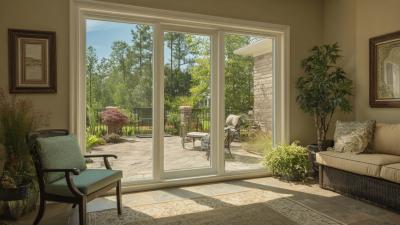
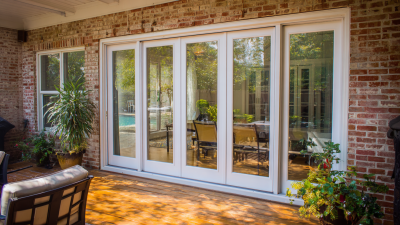
When selecting a patio door, it's essential to consider the various types and materials available to ensure that your choice complements the aesthetic and functional needs of your home. Patio doors primarily come in two main types: sliding and hinged (French) doors. Sliding doors are known for their space-saving design, as they glide open without requiring additional space. They are ideal for limited areas but provide a broad view and easy access to your outdoor space. Conversely, hinged doors swing open, offering a more traditional look and are often seen as a centerpiece in home design. Both options can beautifully transition between indoor and outdoor environments, enhancing natural light and accessibility.
Material selection is equally critical when choosing a patio door. Common materials include wood, vinyl, aluminum, and fiberglass. Wood offers a classic and warm appearance, allowing for customization in terms of color and finish, though it may require regular maintenance to prevent weathering. Vinyl is a popular choice due to its durability, energy efficiency, and low maintenance requirements; it also comes in various colors and styles. Aluminum provides a sleek, modern look and is known for its strength and longevity, making it an excellent option for larger openings. Lastly, fiberglass doors are praised for their energy efficiency and ability to mimic the appearance of wood without the associated maintenance. Evaluating these types and materials can help homeowners make an informed decision that aligns with their style preferences and practical needs.
Types of Patio Doors and Their Popularity
This chart illustrates the different types of patio doors and their popularity among homeowners. The data reflects the percentage of preference for each type based on surveys conducted in 2023.
Measuring Your Patio Entryway: Accurate Dimensions for a Perfect Fit
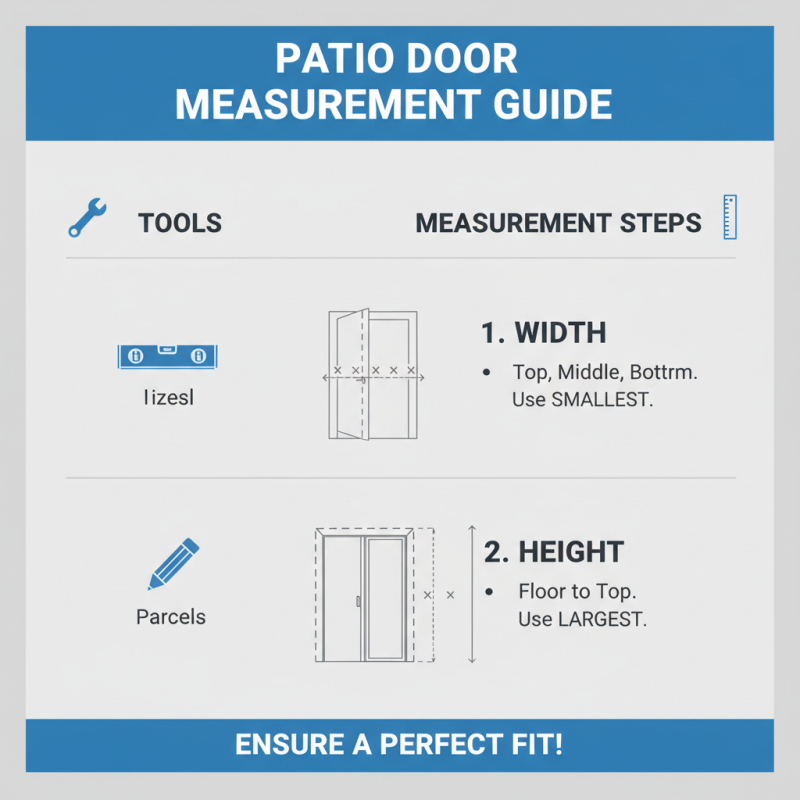
Measuring your patio entryway accurately is crucial for ensuring a perfect fit when replacing your patio door. To start, gather your tools: a tape measure, a level, and a pencil for marking dimensions. Begin by measuring the width of the opening at three different points: the top, middle, and bottom. Note the smallest width, as this will be your guide for selecting the new door frame. Next, measure the height from the floor to the highest point of the opening. Again, take this measurement at multiple spots to find the maximum height.
Tips: When measuring, make sure to account for any irregularities in your wall or flooring. If the house is older, consider using shims to adjust for uneven surfaces on the door frame. Additionally, while measuring the depth of the frame, include any protrusions or molding that might affect how the door fits into the opening. Recording all dimensions clearly will save you time and frustration in the installation process.
To ensure your measurements are precise, always use a level to check that your vertical and horizontal measurements are straight. Double-check your figures before making any purchases to avoid costly mistakes. Taking the time to measure carefully will help you select the right door and achieve a seamless installation that functions properly and enhances your outdoor space.
Essential Tools and Materials for Patio Door Replacement Projects
When embarking on a patio door replacement project, having the right tools and materials can significantly streamline the process. Start by gathering essential tools, which include a measuring tape for precise dimensions, a level to ensure proper alignment, and a screwdriver set for removing and installing screws. A pry bar will be handy to carefully remove the old door frame without damaging surrounding structures, while a hammer can help with any adjustments needed during installation. Additionally, a utility knife is useful for cutting through old caulking or weather stripping.
In terms of materials, purchase a new patio door that fits your measurements and aesthetic preferences. Don’t forget to obtain weather stripping to improve insulation and protect against the elements. You will also need caulking to seal any gaps around the frame after installation, ensuring energy efficiency and preventing water damage. A shimming material, such as wooden shims or composite shims, is crucial for achieving a snug fit of the door in its frame. By preparing these tools and materials in advance, you can approach your patio door replacement with confidence and efficiency.
Step-by-Step Replacement Process: From Removal to Installation
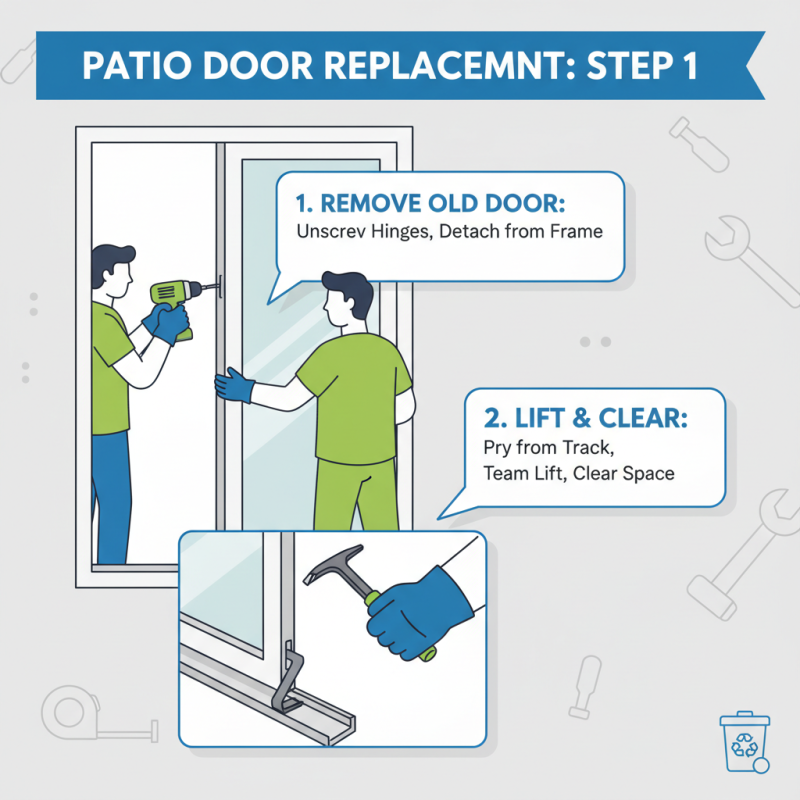
Replacing your patio door can seem daunting, but breaking it down into simple steps can make the process manageable and rewarding. First, start by removing the old patio door. Carefully unscrew the hinges and detach it from the frame. If necessary, use a pry bar to carefully lift the door out of its track, being cautious not to damage the surrounding areas. Ensure the workspace is clear and, if possible, have a friend assist you to make the lifting and removal easier.
Once the old door is removed, it’s time to prepare the frame for the new installation. Inspect the door frame for any damage or rot and make necessary repairs. Clean the area thoroughly to eliminate any dust or debris that might affect the installation. When ready, position the new patio door into the frame, ensuring it’s level and plumb. Secure the door by attaching it to the frame with screws, checking that it opens and closes smoothly. Finally, add insulation and weather stripping around the edges to enhance energy efficiency and provide a finished look. Your new patio door will not only improve accessibility but also enhance the aesthetic of your outdoor space.
Common Mistakes to Avoid When Replacing Your Patio Door
When replacing your patio door,
avoiding common mistakes is crucial to ensuring a smooth installation process and achieving the desired aesthetic and energy efficiency. One prevalent error is
failing to measure the existing door frame accurately. According to the American Architectural Manufacturers Association (AAMA), up to 30% of replacement projects are hindered by improper measurements, leading to costly adjustments or even the need for a completely new door. Ensuring precise measurements will not only facilitate a seamless fit but also enhance overall energy efficiency, reducing heating and cooling costs.
Another frequent pitfall involves neglecting the installation environment. Homeowners often overlook the importance of weatherproofing and insulation during the replacement process. A report by the U.S. Department of Energy indicates that poorly insulated doors can lead to increased energy consumption, contributing to up to 10% of your home’s energy costs.
Adequate sealing and proper installation techniques are essential in preventing drafts and moisture infiltration, which can compromise the door's longevity and performance. By taking the time to avoid these common mistakes, homeowners can not only optimize their patio door replacement process but also ensure lasting value and comfort in their living spaces.