| Fixed Picture Window |
24–72 in wide
24–60 in high |
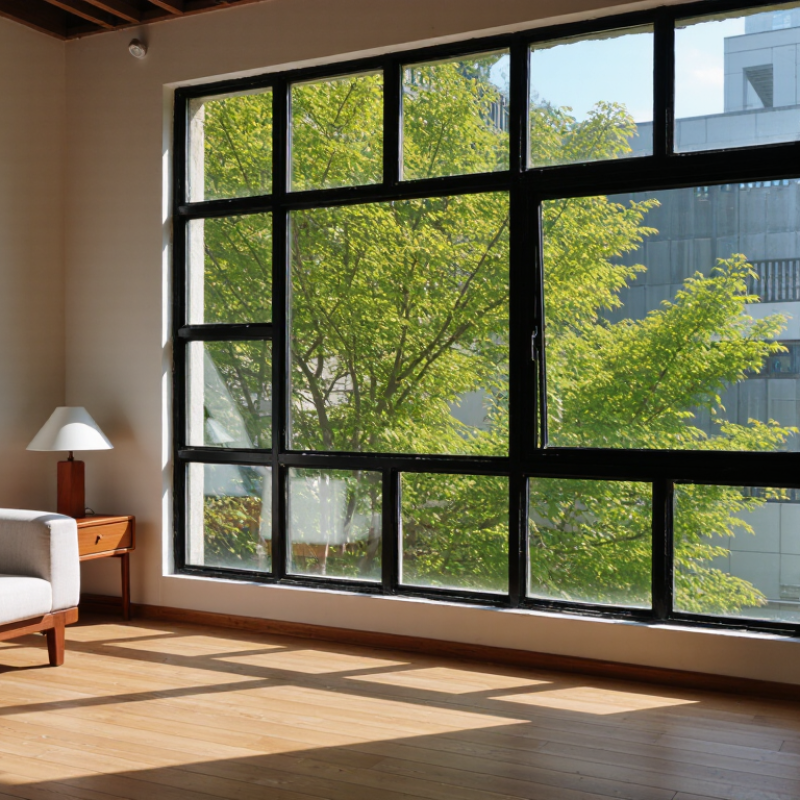
Living rooms, dining areas, stairwells, and walls where ventilation is not required. |
Requires a structurally sound opening, level sill, perimeter flashing, compatible sealant, and correctly sized shims. |
$500–$1,800 |
Usually provides better airtightness than an operable window. Double glazing is common; low-emissivity glass can reduce heat transfer. |
Confirm local energy-code requirements for U-factor and solar heat gain coefficient. Tempered or laminated safety glass may be required in hazardous locations. |
| Large Fixed Window |
72–120 in wide
48–96 in high |
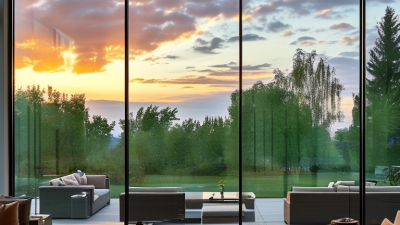
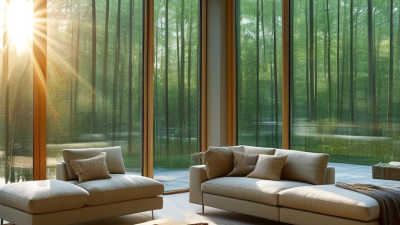
Large exterior walls, modern living spaces, view-facing rooms, and areas designed for maximum daylight. |
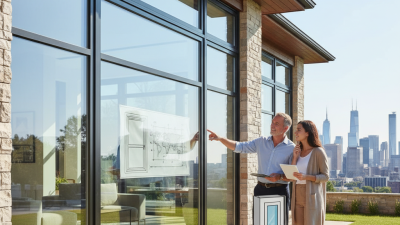
May require engineered headers, additional framing, lifting equipment, and a site inspection before ordering. |
$1,800–$6,000+ |
Large glass areas can increase summer heat gain and winter heat loss. Consider low-e coatings, insulated frames, exterior shading, and orientation. |
Verify structural loads, wind-pressure ratings, glazing safety rules, and any limits on glass area near floors, doors, or walking surfaces. |
| Fixed Window with Side Casements |
48–108 in wide
36–72 in high |
Rooms needing both a broad view and natural ventilation, such as bedrooms, kitchens, and family rooms. |
Opening must accommodate separate fixed and operable units. Allow clearance for sash operation, hardware, and interior treatments. |
$1,200–$4,000 |
The fixed center panel is generally airtight, while casement seals should be checked for compression and weather resistance. |
Bedrooms may need a compliant emergency escape opening. Check clear opening dimensions, sill height, and local emergency-egress provisions. |
| Triple-Glazed Picture Window |
24–72 in wide
24–60 in high |
Cold climates, energy-efficient renovations, and rooms where improved acoustic insulation is important. |
Heavier glass may require reinforced framing, stronger anchors, and confirmation that the wall can support the unit weight. |
$900–$3,000 |
Typically offers lower heat transfer than standard double glazing, although performance depends on frame material, spacers, gas fill, and installation quality. |
Use the performance values required by the applicable energy code. Confirm that the selected unit has an appropriate design-pressure rating for the location. |
| Acoustic Picture Window |
24–72 in wide
24–60 in high |
Homes near busy roads, rail lines, airports, or other persistent outdoor noise sources. |
Requires a well-sealed frame, accurately prepared opening, continuous air sealing, and special attention to wall and adjoining-door leakage. |
$1,000–$3,500 |
Laminated glass and differing glass thicknesses can improve sound reduction. Overall results depend on the complete wall assembly, not the window alone. |
Check local requirements for safety glazing, ventilation, fire separation, and any restrictions affecting replacement work in protected or historic buildings. |
| Custom-Shaped Picture Window |
Commonly 30–96 in wide
30–84 in high |
Architectural features, gable ends, circular designs, trapezoids, and unusual wall openings. |
Requires accurate field measurements, custom structural detailing, carefully planned flashing, and longer manufacturing lead times. |
$1,500–$7,000+ |
Non-rectangular shapes may have fewer standard performance options. Review certified thermal and air-leakage ratings before ordering. |
Obtain approval where required for structural alterations, exterior appearance, conservation areas, or changes to a regulated building envelope. |
| Replacement Picture Window |
Matches the existing opening
within site-measured tolerances |
Updating an existing fixed window without substantially changing the wall structure. |
Existing frame condition must be inspected for rot, water damage, mold, and movement. Replacement sizing should be based on verified measurements. |
$600–$2,500 |
Improved glazing alone may not solve drafts if the surrounding frame, trim, or wall cavity remains poorly sealed. |
Some jurisdictions require permits for replacement windows, particularly when opening size, structural framing, egress, or exterior appearance changes. |