2026 How to Choose the Best Window Replacements for Your Home?
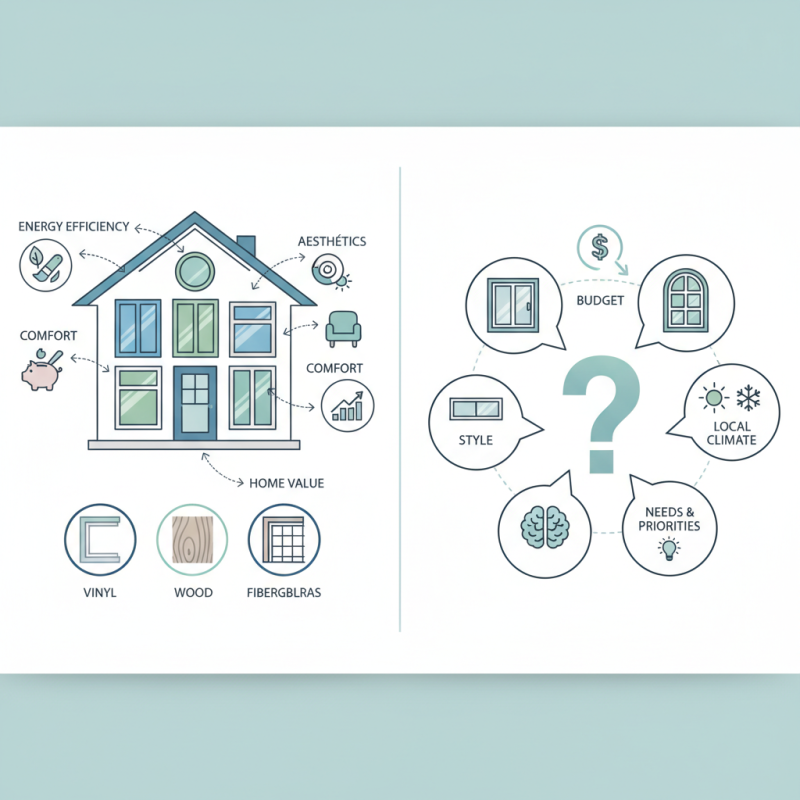
Choosing the right window replacements for your home is crucial. Windows affect energy efficiency, aesthetics, and comfort. They also impact your home's overall value. With so many options available, making the best choice can seem overwhelming.
When selecting window replacements, consider several factors. Think about materials like vinyl, wood, or fiberglass. Each has pros and cons. Energy-efficient windows may save money long-term. Look for good insulation to reduce heating and cooling costs. Sometimes, high upfront costs prevent homeowners from investing in quality.
It can be challenging to find the ideal balance between style, function, and budget. You may feel torn between modern designs and classic styles. Don’t overlook the importance of local climate. It can dictate the best materials and features for your window replacements. Reflect on your needs and priorities before deciding.
Understanding Your Home's Needs for Window Replacements
When considering window replacements, it’s crucial to assess your home’s unique needs. Each home has different layouts, styles, and climates. A traditional home may benefit from classic designs, while a modern abode might call for sleek, contemporary finishes. Think about your home’s architectural style. Are you trying to maintain a historic look? This will guide your choices effectively.
Energy efficiency is another key factor. Poor windows can lead to drafts and increased energy bills. Consider windows with good insulation ratings. Pay attention to the climate in your area. If it’s hot, you may need low-emissivity glass to reflect heat. But if it’s cold, double-pane windows might be essential.
Also, evaluate your budget and preferences. Replacing all windows at once might not be feasible. You could start with the most critical areas. Sometimes, practicality doesn’t align with aesthetic desires. It’s okay to feel torn between style and functionality. A window's purpose is just as important as its appearance. Take your time to explore options. Choose wisely, as this decision will affect your home for years.
Types of Windows: Exploring Materials and Styles
When considering window replacements, the materials and styles greatly influence your home's appearance and energy efficiency. Common materials include vinyl, wood, and fiberglass. Vinyl windows are often budget-friendly and low-maintenance. They’re resistant to moisture and don’t need painting. However, they might not suit every style.
Wood windows, on the other hand, offer classic elegance but come with higher maintenance costs. They can warp over time and require regular painting or sealing. If you love the natural look, they might be worth it. Fiberglass windows blend durability and strength. They resist temperature changes well. Yet, they can be pricier and may not be as readily available in various styles.
The style of windows also matters. Double-hung and casement windows are popular choices. They offer good ventilation and light. However, they might not be the best for smaller spaces. You might want to consider sliding windows, which save space but can be harder to clean. Each choice carries pros and cons. Reflecting on your needs and preferences will lead you to the right decision.
2026 Window Replacement Trends
Energy Efficiency Ratings: What to Look For
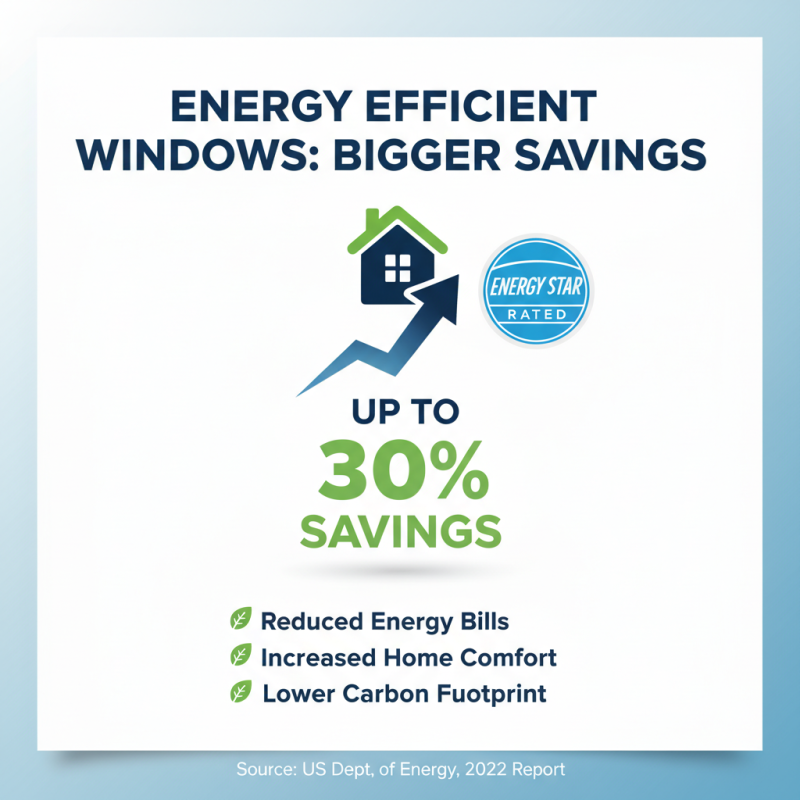
When considering window replacements, energy efficiency is paramount. Look for windows with a high Energy Star rating. According to a 2022 report by the U.S. Department of Energy, homes can save up to 30% on energy bills with efficient windows. These savings can be substantial over the years.
Understand U-factor and Solar Heat Gain Coefficient (SHGC). The U-factor measures insulation. A lower U-factor means better insulation. Aim for a U-factor below 0.30 for optimal performance. The SHGC indicates how much solar heat enters your home. A SHGC below 0.25 is ideal for hot climates, while a higher rating is beneficial in cooler areas.
Consider glazing options. Double or triple-pane windows provide better insulation. However, they can be pricier. It’s essential to weigh costs versus long-term savings. Some homeowners overlook frame materials. Vinyl is often durable and energy-efficient, while wood offers great aesthetics but may require maintenance. Each choice impacts energy efficiency. Balancing cost and efficiency is often challenging. Remember, not all energy-efficient windows perform equally. Research is key.
Evaluating Installation Options: DIY vs. Professional Help
When choosing window replacements, consider your installation options. Do you want to tackle the project yourself or hire a professional? Each choice has its pros and cons.
DIY installation can save money. It's appealing if you enjoy home improvement projects. However, it requires skills and tools.
Measure accurately. A mistake can lead to gaps and leaks. Ensure you have a solid plan. Watch tutorials and gather all materials beforehand.
If you opt for professional help, think about costs and schedules. Professionals bring expertise that can make the process smoother. They handle permits and inspections, which can be complex. Yet, it may feel less personal to hand over control.
It's essential to find reliable contractors for the job. Look for reviews and testimonials.
Remember, not all projects are suitable for DIY. Assess your skills honestly. If you're not confident, professional installation may be your best option. Choose what fits your needs and abilities best.
Budgeting for Window Replacements: Costs and Financing Options
When budgeting for window replacements, it's essential to understand costs. The average cost for window replacements typically ranges from $300 to $1,200 per window, depending on size and material. According to industry reports, vinyl windows are often the most affordable choice, while wooden windows tend to push budgets higher.
Financing options are also crucial. Many homeowners consider options like home equity loans or personal loans to spread costs. Some local programs offer incentives for energy-efficient windows. It's worth exploring financial assistance, such as low-interest loans.
However, be cautious about overspending. It’s easy to get swayed by aesthetic choices. Homeowners may prioritize stylish designs but must account for installation costs, which can add 50% to the total tab. Reflecting on long-term value is vital. Energy savings from efficient windows can offset initial costs but require careful consideration before committing. Avoid rushing into decisions; take time to weigh all options.
2026 How to Choose the Best Window Replacements for Your Home? - Budgeting for Window Replacements: Costs and Financing Options
| Window Type |
Average Cost per Window |
Energy Efficiency Rating |
Lifespan (Years) |
Financing Options |
| Vinyl |
$300 - $500 |
Low-E |
20 - 25 |
0% APR for 12 months, Personal Loans |
| Wood |
$700 - $1,200 |
Energy Star |
30 - 50 |
Home Equity Loans, Credit Cards |
| Fiberglass |
$500 - $1,000 |
U-Value < 0.30 |
25 - 40 |
Installment Plans, Financing through Contractors |
| Aluminum |
$400 - $800 |
Moderate |
15 - 30 |
In-House Financing, Low-Interest Loans |