What is Home Windows Types and How to Choose the Right One for Your Home
When it comes to enhancing the beauty and functionality of our homes, the choice of home windows plays a crucial role. With an array of options available, selecting the right type can be daunting. As window installation expert Sarah Johnson aptly puts it, “Choosing the right home windows is not just about aesthetics; it’s about energy efficiency, durability, and the overall comfort of your home.” This sentiment underscores the multifaceted considerations homeowners must take into account when investing in windows.
Home windows serve as the gateway to natural light and fresh air, yet they also provide essential insulation and security. From double-hung to casement and beyond, each style offers unique advantages and drawbacks. Understanding these various types is vital in making an informed decision that aligns with your home's design and your personal needs.
As you navigate the world of home windows, it’s important to weigh factors such as climate, home architecture, and energy efficiency ratings. With the right knowledge at your disposal, you can select windows that not only complement your home’s aesthetic but also enhance its performance. In this article, we will explore the different types of home windows and provide guidance on how to choose the best option for your dwelling.
Types of Home Windows: An Overview of Common Options
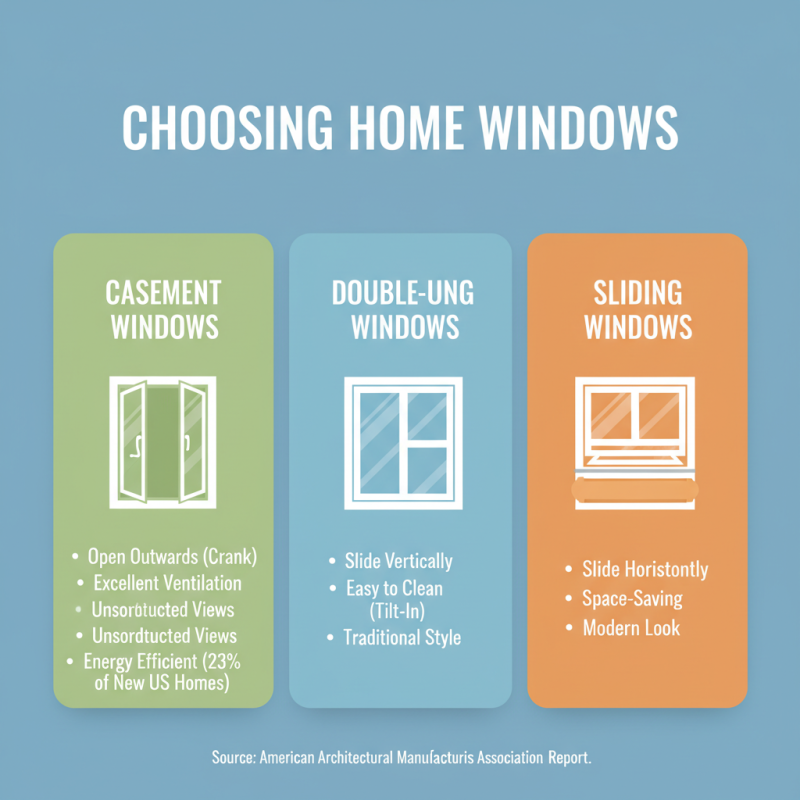
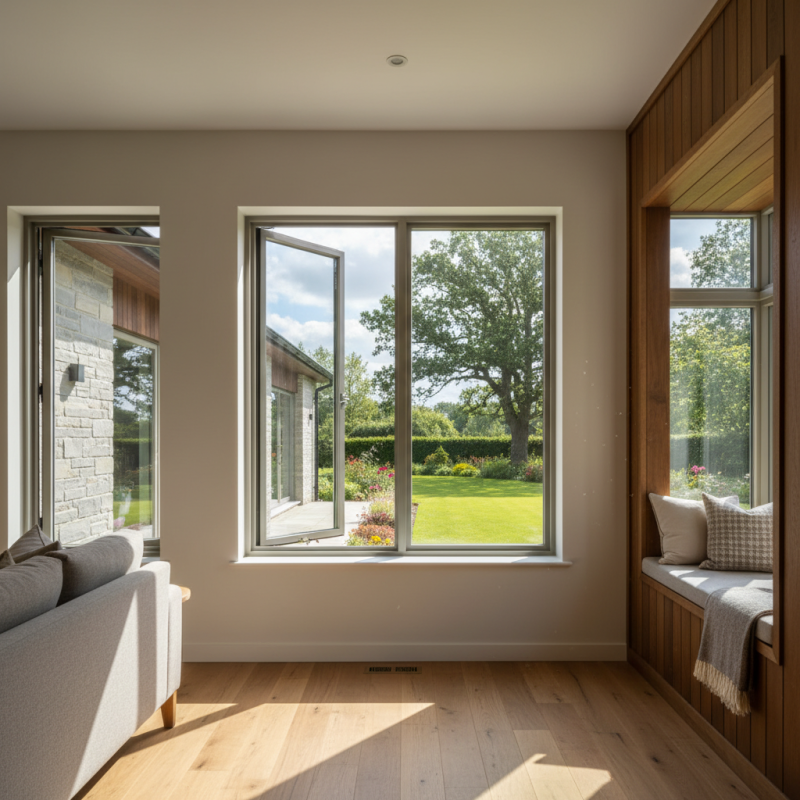
When it comes to choosing the right windows for your home, understanding the various types available is crucial. There are several common options, each with its unique attributes. Casement windows, known for their versatility and ease of use, open outward with a crank, offering excellent ventilation and unobstructed views. According to a report by the American Architectural Manufacturers Association, more than 23% of new homes in the U.S. feature casement windows primarily due to their energy efficiency and favorable air leakage ratings.
Sliding windows are another popular choice, especially in modern and contemporary designs. These windows glide horizontally on a track, making them easy to operate and great for areas where space is limited. Data from the National Fenestration Rating Council indicates that sliding windows can provide substantial energy savings, achieving up to 20% higher efficiency than older, traditional windows when properly installed. If you're considering aesthetics alongside functionality, double-hung windows, which have two sashes that slide up and down, offer a classic look while also providing good ventilation options. They account for approximately 30% of residential window installations according to market research, highlighting their staying power in the American home design landscape.
Lastly, bay and bow windows add character and expand interior space, allowing for panoramic views and additional natural light. These types of windows can enhance the overall curb appeal and value of your home, with studies showing they can increase property value by up to 10%. Each window type comes with distinct advantages, ensuring there’s an option to fit the architectural style and functional needs of every homeowner.
Key Factors to Consider When Choosing Windows for Your Home
When selecting windows for your home, several key factors should be taken into consideration to ensure a perfect fit for your lifestyle and aesthetic preferences. The first aspect to examine is energy efficiency.
Windows with high energy efficiency ratings can significantly reduce heating and cooling costs over time. Look for features such as double or triple glazing, low-e coatings, and insulated frames, as these elements enhance thermal performance and contribute to a more comfortable living environment.
Another critical factor is the window style. Different styles can complement various architectural designs and personal tastes. Whether you prefer the classic look of double-hung windows or the modern appeal of picture windows, the choice should align with your home’s overall aesthetic. Additionally, consider the functionality of each window style, as some provide better ventilation, while others focus on maximizing natural light.
Tips: Consider your local climate when choosing windows. For warmer regions, prioritize windows that reflect heat, while in colder areas, opt for options that trap warmth. Don't forget to check local building codes and regulations, as they may have specific requirements for window installations. Finally, consulting with a professional can provide valuable insights tailored to your unique home needs.
Energy Efficiency Ratings and Their Importance in Window Selection
When selecting windows for your home, energy efficiency ratings are crucial factors to consider. These ratings provide insights into how well a window can insulate a home against heat loss in the winter and heat gain in the summer. Windows with higher efficiency ratings typically feature multiple panes of glass, low-emissivity (Low-E) coatings, and gas fills like argon or krypton between panes. Understanding these ratings can lead to significant savings on energy bills while enhancing indoor comfort.
Additionally, energy-efficient windows contribute to a more sustainable home environment. They are designed to minimize the amount of energy required for heating and cooling, which not only reduces energy consumption but also lowers your carbon footprint. Many models are classified according to programs like the ENERGY STAR label, which signifies adherence to strict energy efficiency guidelines. By paying close attention to these ratings and choosing windows that outperform standard models, homeowners can invest in more than just aesthetics; they invest in long-term financial savings and environmental responsibility.
Energy Efficiency Ratings of Different Window Types
Materials Used in Home Windows: Pros and Cons of Each Type
When selecting windows for your home, the materials used play a crucial role in determining the overall performance, aesthetics, and longevity of your windows. Each type of material comes with its own set of advantages and disadvantages. For instance, vinyl windows are known for their affordability and low maintenance requirements. They resist deterioration and offer good insulation properties. However, they may not have the same aesthetic appeal as other materials and can be less customizable in terms of color and style.
On the other hand, wood windows provide a classic look and excellent insulation, making them a popular choice for homeowners seeking a traditional aesthetic. The downside is that wood requires regular maintenance to prevent rot and damage from the elements. Aluminum windows are another option, offering durability and slim profiles that maximize natural light. Though they are strong and resistant to warping, they typically have poorer insulation compared to vinyl or wood. Ultimately, understanding the pros and cons of each window type will help you make a well-informed decision that suits your home's needs and your personal preferences.
What is Home Windows Types and How to Choose the Right One for Your Home
| Window Type |
Materials Used |
Pros |
Cons |
| Double-Hung |
Vinyl, Wood, Aluminum |
Good ventilation, aesthetic appeal |
Requires regular maintenance (wood) |
| Casement |
Vinyl, Wood, Aluminum |
Excellent ventilation, energy-efficient |
Dependent on weather (may blow open) |
| Sliding |
Vinyl, Wood, Aluminum |
Space-saving, easy to operate |
Seals can wear over time |
| Picture |
Vinyl, Wood, Aluminum |
Offers clear views, energy-efficient |
Non-opening, limited ventilation |
| Awning |
Vinyl, Wood, Aluminum |
Good for rain protection, energy-efficient |
Can be more expensive |
Installation and Maintenance Tips for Different Window Types
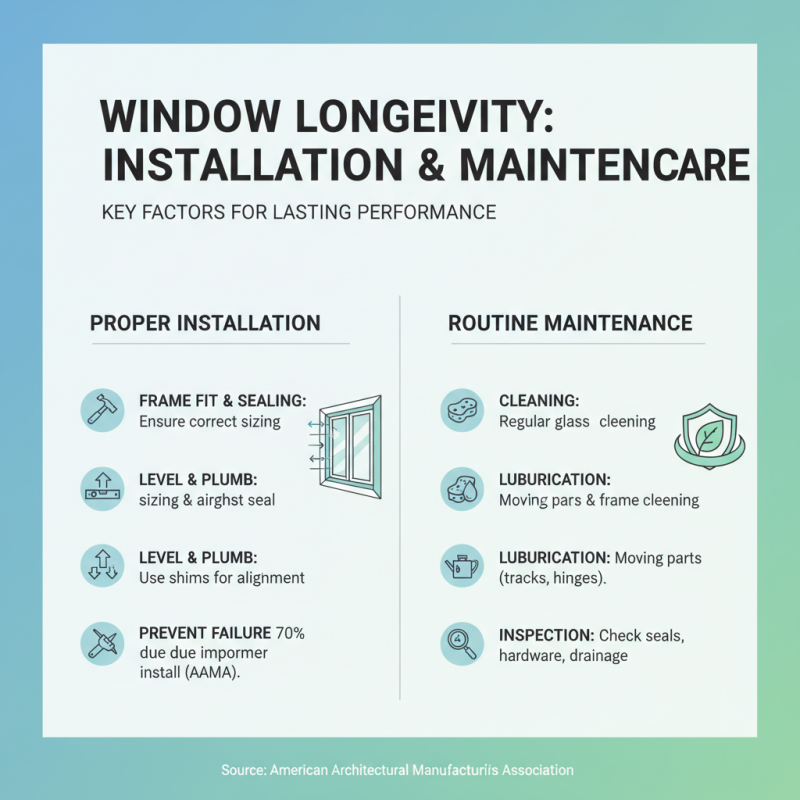
When considering different types of home windows, installation and maintenance are critical factors that can greatly affect their longevity and performance. According to the American Architectural Manufacturers Association, approximately 70% of window failures arise from improper installation. To prevent this, homeowners should ensure that their chosen window type fits the frame correctly and that the sealing is airtight to minimize energy loss. Utilizing proper techniques, such as using shims and checking for level and plumb during installation, can help improve the overall performance of any window type.
Maintenance also varies significantly between different window styles. For instance, vinyl windows typically require less upkeep compared to wood windows, which may need regular painting or staining to protect against the elements. Data from the Window & Door Manufacturers Association indicates that properly maintaining wood windows can extend their lifespan to 30 years or longer. Regular checks for draft, water leakage, and wear on seals are essential to prolong the life of any window type. Homeowners should also keep window tracks clean and lubricated, ensuring smooth operation while preventing potential issues that could arise from neglect.