What is Glass Block Windows and How Do They Enhance Your Space?
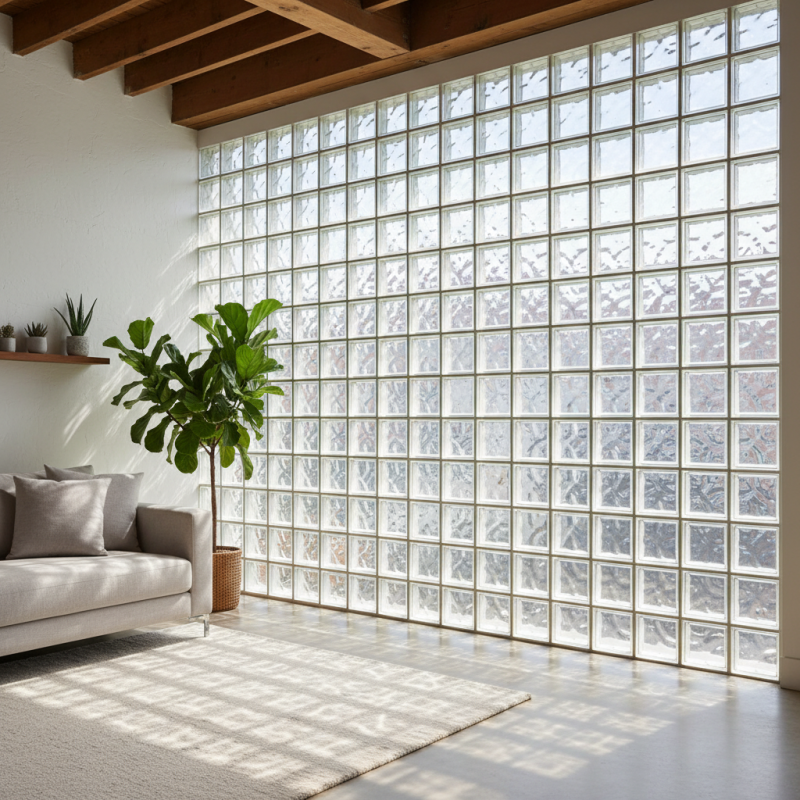
Glass block windows offer a unique blend of beauty and functionality. These innovative windows allow natural light to flood your space while maintaining privacy. They create a serene atmosphere without compromising your comfort. Imagine a sunlit room filled with soft, diffused light. This type of window turns any area into a warm retreat.
The design of glass block windows enhances urban and contemporary aesthetics. They come in various styles, adding character to both modern and traditional homes. Consider how they can transform a dull wall into an art installation. However, some may find them challenging to install. A perfect design might not always fit every space.
Despite their advantages, glass block windows also have limitations. They can be heavy and require careful installation. Homeowners should reflect on their specific needs before choosing this option. Ultimately, glass block windows can greatly enhance your space when used thoughtfully.
What are Glass Block Windows?
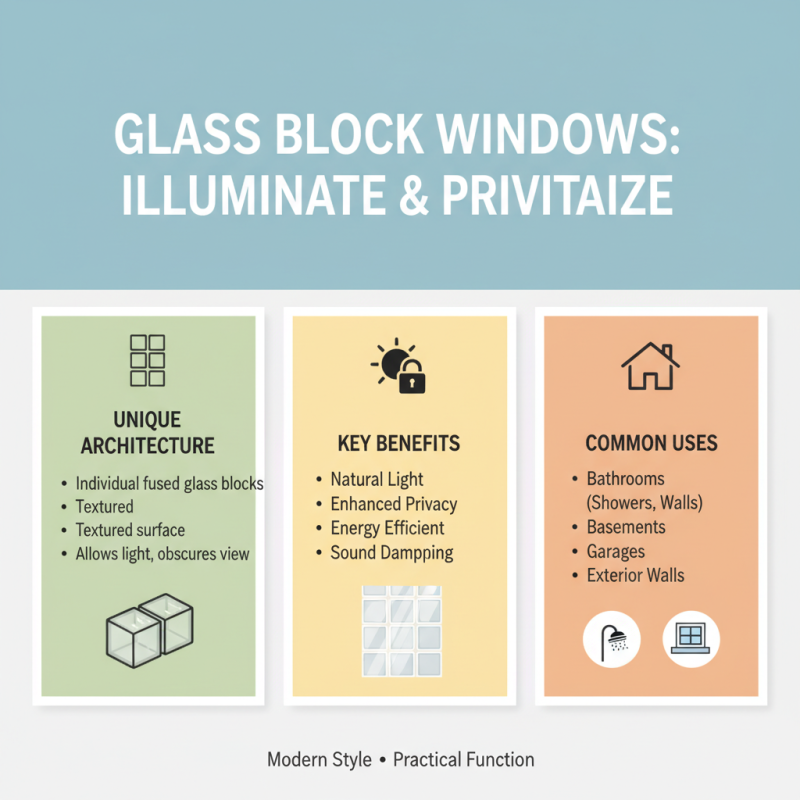
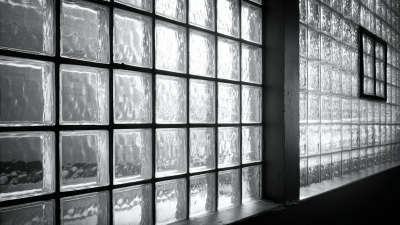
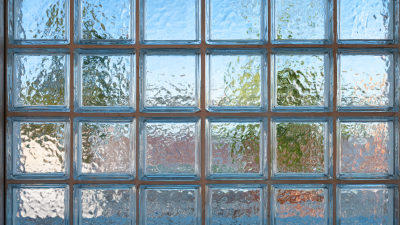
Glass block windows are unique architectural features. They consist of individual blocks of glass that are fused together. These blocks have a textured surface, allowing light to pass through. They provide privacy while still illuminating the space. Homeowners often use them in bathrooms or basements.
Installing glass block windows can be an interesting process. They add a modern touch to traditional homes. However, some may struggle with installation and require professional help. Choosing the right size and design is essential. The wrong choice may result in an awkward look.
The benefits of glass block windows extend beyond aesthetics. They offer insulation by trapping air in their structure. This can reduce energy costs over time. However, maintaining their clarity can be challenging. Over time, dirt and grime can accumulate, obscuring the beauty of the glass. Regular cleaning is crucial to keep them looking fresh.
Historical Evolution of Glass Block Windows
Glass block windows have a rich history that dates back to the early 20th century. Initially used in commercial spaces, they provided privacy while allowing natural light to flood in. Their unique design captivated architects and homeowners alike. Many saw them as a creative solution to blend functionality with aesthetics. However, not everyone appreciated their beauty, often considering them outdated.
Over the decades, glass block windows evolved dramatically. They transitioned from industrial uses to residential applications. The 1960s and 1970s marked a peak in popularity, coinciding with modernist movements. During this time, builders experimented with various shapes and sizes. Some designs were quite striking, while others seemed uninspired. Many homes still showcase these blocks, reflecting a nostalgic charm. Yet, some homeowners struggle with their maintenance. Cracks or discoloration can occur, prompting a dialogue on their long-term value.
Advantages of Using Glass Block Windows in Design
Glass block windows are a unique architectural feature that can significantly enhance any space. They allow light to enter while maintaining privacy. This dual function adds an elegant touch to both residential and commercial designs. Their translucent nature creates a beautiful interplay of light and shadows.
There are several advantages to incorporating glass block windows in your design. Firstly, they enhance natural lighting without compromising privacy. This feature is especially beneficial in bathrooms or offices. Glass blocks also provide insulation. They can help regulate indoor temperatures, making spaces more energy-efficient.
When using glass block windows, consider the layout. Think about how light will flow through the space. A well-placed window can transform a dim room into a vibrant area. Experimenting with different shapes and colors can also create a unique aesthetic. Just be cautious with installation. Poorly installed blocks may lead to leaks. Always plan before committing to a design.
Advantages of Using Glass Block Windows
Installation Process of Glass Block Windows
When planning to install glass block windows, it's essential to understand the process involved. Start by measuring your window space accurately. Incorrect measurements can lead to significant problems later. Prepare your workspace by removing any existing window frames or obstructions. This step can be messy, so wear protective gear.
Next, gather your materials. You will need glass blocks, silicone sealant, and mortar. As you begin installation, apply mortar to the bottom of the frame. Place the first glass block carefully, ensuring it’s level. Repeat this process for the remaining blocks. Keep checking for alignment. It’s easy to make mistakes, and sometimes blocks shift unexpectedly. Allow each layer to cure before adding more.
Tips: Use a level tool for precision. This small item ensures your blocks are even. If you find gaps, don’t panic. Fill them with additional mortar but do so sparingly. Use a sponge to clean excess sealant. Your workspace should be tidy. A clean site prevents accidents and allows for better visibility while you work.
What is Glass Block Windows and How Do They Enhance Your Space? - Installation Process of Glass Block Windows
| Dimension |
Details |
| Material |
Glass Block |
| Size Options |
4x8 inches, 6x6 inches, 8x8 inches |
| Benefits |
Natural light, privacy, sound insulation, aesthetic appeal |
| Common Uses |
Basements, bathrooms, interior and exterior walls |
| Installation Process |
1. Measure and cut the opening
2. Prepare the area
3. Set the frame
4. Install the glass blocks
5. Seal with grout |
| Maintenance |
Regular cleaning, checking for cracks, ensuring seals are intact |
| Cost Estimate |
$20 - $50 per square foot (including installation) |
Maintenance Tips for Glass Block Windows
Glass block windows are unique features that add aesthetic value and natural light to any space. However, they require specific maintenance to ensure longevity and optimal performance. According to a report by the American Institute of Architects, properly maintained glass block windows can last over 30 years.
Cleaning your glass block windows is essential. Use a mild detergent mixed with water. Avoid abrasive cleaners, which can scratch and dull the glass. A soft cloth or sponge works best. Rinse thoroughly to avoid residue. Regular cleaning can prevent buildup and maintain clarity.
Sealing the grout around glass blocks is another crucial step. It prevents moisture and mold. A high-quality silicone sealant can provide protection. Check the seals every few years. If you spot any damage, replace it promptly. This small task can extend the life of your windows.
Remember, if you notice condensation between blocks, it may indicate a failure in sealant. This issue could lead to water damage. Quick action can improve the situation. Don’t ignore minor cracks, as they can worsen over time. Pay attention to these details to keep your glass block windows looking their best.