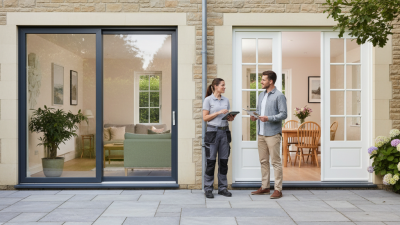
10 Essential Tips for Successful Patio Door Installation
Patio doors are more than just functional; they enhance your home's beauty and accessibility. According to industry expert John Smith, “A perfect patio door installation brings light and space into the home.” However, achieving this perfection requires careful planning and execution.
Proper patio door installation involves several critical steps. Start by measuring your doorway accurately. Many homeowners overlook this, leading to costly mistakes. The right tools and materials are essential for a successful installation. You need to be prepared for unexpected challenges, like uneven floors or misaligned frames.
Attention to detail is crucial throughout the process. Ensure that the door is level and sealed properly to avoid drafts or leaks. Reflecting on previous installations can provide insights into common pitfalls. Even experienced installers can miss small issues that lead to larger problems later on. Ultimately, successful patio door installation not only boosts your home’s appeal but also enhances its value.

Choosing the Right Patio Door: Materials and Styles Explained
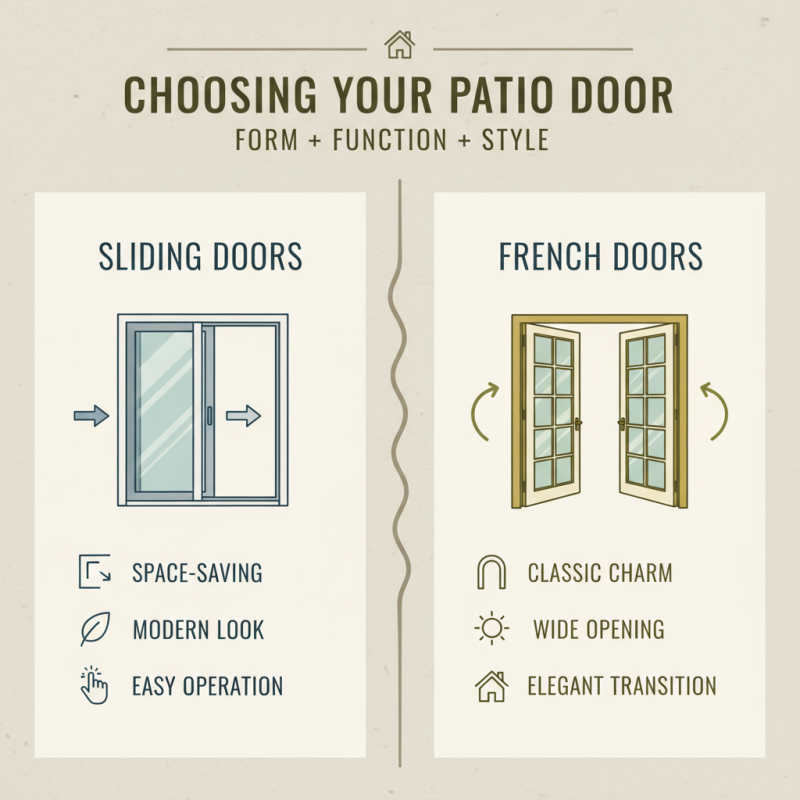
Choosing the right patio door is crucial for functionality and aesthetics. Homeowners face a variety of options, from sliding doors to French doors. Each style has unique benefits. For instance, sliding doors offer space-saving simplicity. Meanwhile, French doors bring classic charm to outdoor transitions.
Material selection is equally important. Vinyl, fiberglass, and wood are common options. A report from the Doors & Windows Manufacturers Association shows that fiberglass doors offer superior insulation compared to other materials. This can lead to energy savings, which many homeowners overlook. Additionally, wood doors provide excellent aesthetic warmth but require more maintenance.
Design preferences often reflect personal style. Minimalist styles may prefer sleek sliding doors. Traditional homes may call for elegant French designs. It's essential to ensure the door complements the home’s architecture. Many forget to account for how colors and finishes blend. Investing time in choosing the right style can significantly enhance outdoor enjoyment.
Preparing the Installation Area: Tools and Site Assessment
Preparing the installation area for a patio door is crucial. Start by assessing the site. Is the ground level? Uneven surfaces can cause numerous issues later. Check for obstacles like plants or furniture. Clearing the area allows for easy access. It also ensures safety during the installation process.
Gather the necessary tools beforehand. Essential items include a tape measure, level, and drill. A helper can make the installation smoother. If you’re inexperienced, reading installation guides can be beneficial. However, don’t skip any steps in the process. Missing vital details could lead to problems down the line. Remember, taking the time to prepare well is key to a successful installation.
10 Essential Tips for Successful Patio Door Installation
| Tip Number |
Tip Title |
Description |
Tools Required |
| 1 |
Measure Carefully |
Accurate measurements ensure a proper fit of the door. |
Measuring tape |
| 2 |
Check the Weather |
Avoid installation during inclement weather. |
N/A |
| 3 |
Gather the Right Tools |
Make sure you have all necessary tools before starting. |
Screwdriver, level, hammer |
| 4 |
Prepare the Opening |
Ensure the opening is clean and free of debris. |
Utility knife, pry bar |
| 5 |
Choose the Right Door |
Select a door that suits your home’s style and needs. |
N/A |
| 6 |
Level the Door Frame |
Make sure the frame is perfectly level for proper operation. |
Level, shims |
| 7 |
Secure the Door |
Follow manufacturer guidelines for securing the door. |
Drill, screws |
| 8 |
Check the Operation |
Ensure that the door opens and closes smoothly. |
N/A |
| 9 |
Install Weatherstripping |
Add weatherstripping for insulation and to prevent drafts. |
Weatherstripping, scissors |
| 10 |
Final Inspection |
Conduct a thorough check to ensure everything is perfect. |
Checklist |
Step-by-Step Guide to Removing the Old Patio Door
When removing an old patio door, preparation is key. Start by clearing the area around the door. Move any furniture or plants that might obstruct your work. This ensures safety and provides easy access. Check the door's condition. Are the hinges rusty? Is the frame warped? Such details matter for your installation process.
Use a putty knife to gently pry off any trim around the door. Take your time here. Rushing might damage the walls. Once the trim is off, unscrew the door from its hinges. It can be heavy, so have someone help if possible. If the door is stuck, a little wiggling can help. Remember to keep the screws in a safe place. You’ll need them later.
Tips: Always wear safety goggles. Protect your eyes from dust and debris. Additionally, make sure to check for any electrical or plumbing issues that could be hidden behind the wall. Consider the weather when planning this project, as rain may delay your installation. If you encounter mold or rot, take a moment to assess the situation before proceeding. This reflects yours and the work’s integrity. Be patient and stay focused on each step; every detail counts!
Proper Techniques for Installing the New Patio Door
Installing a new patio door can be a rewarding project. However, proper techniques are crucial for a successful installation.
Begin by measuring the opening accurately. A measurement error could lead to gaps or misalignment. Ensure the door frame is square. Use shims if necessary to adjust the frame. This small step can save you hassle down the line.
When it comes to sealing, take extra time. Apply caulk around the edges of the door frame. Do not rush this step. Inadequate sealing can cause drafts and moisture issues. Pay attention to the door's alignment during installation. A door that doesn't swing smoothly may require adjustments later. Check the locking mechanism too; it should engage easily.
Finally, remember to review your work. Look for any visible gaps or misalignments. Invite a friend to help spot any issues you might miss. Reflecting on your installation process can improve your skills. Take notes on what worked and what didn’t. Learning from each project is key to becoming better.
Sealing and Finishing Touches for Optimal Performance
When it comes to patio door installation, sealing and finishing touches are vital for optimal performance. According to the National Association of Home Builders, improper sealing can lead to air leaks, causing a rise in energy costs by up to 30%. A well-sealed door also prevents moisture infiltration, which could lead to mold growth.
One key tip is to use high-quality weatherstripping. Ensure that all gaps and seams are adequately covered. Space them evenly, focusing on the bottom and sides where drafts usually occur. Additionally, consider caulking around the exterior frame to create a weather-resistant barrier. Proper sealing not only enhances energy efficiency but also increases the lifespan of your door.
After installing, pay attention to finishing touches. Opt for a weather-resistant paint or stain to protect against moisture. Test your door a few times—does it open and close smoothly? If it sticks, it may need adjustment. Skipping these details could lead to frustration and even costly repairs in the future. Remember, the experience doesn’t need to be perfect, but each step can improve performance.