10 Essential Tips for Choosing Thermal Windows?
Choosing the right thermal windows can significantly impact your home's comfort and energy efficiency. These windows play a crucial role in regulating indoor temperatures. With so many options available, the selection process can be overwhelming. It is easy to make mistakes when evaluating thermal windows.
Consider your climate and budget first. Not every window suits every region. Think about the insulation properties you need. Materials vary widely in performance. Ensure you assess energy ratings, as they often indicate long-term savings.
Look for common challenges people face. Many overlook installation details. Poor installation can negate any benefits of high-quality thermal windows. Pay attention to warranties as well; they can reveal a lot about a product's reliability. Think carefully and consult professionals when necessary.
Understanding Thermal Windows and Their Benefits
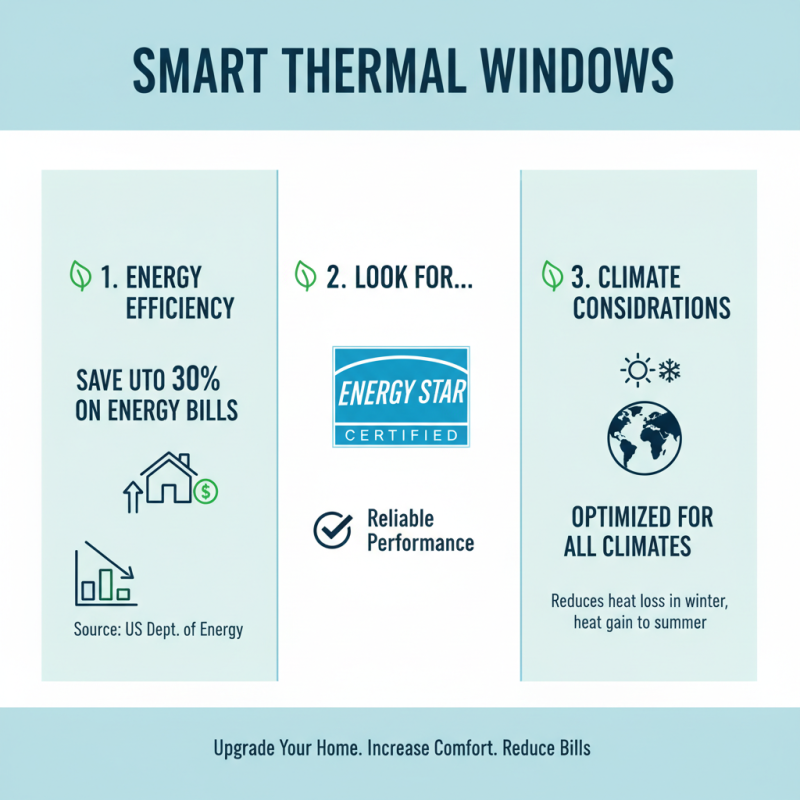
When considering thermal windows, understanding their advantages is vital. Thermal windows are designed to improve energy efficiency. They reduce heat loss during winter and keep your home cool in summer. This can lead to lower energy bills over time. Moreover, they can minimize condensation, which protects your interiors.
Choosing the right thermal windows involves careful consideration. Look for double or triple glazing to enhance insulation. Low-emissivity (low-E) coatings can further improve energy efficiency. Assess the frame material, as it impacts durability and thermal performance. Wood, vinyl, and fiberglass all offer unique benefits. Each has its pros and cons to weigh.
Don't overlook the importance of proper installation. Even the best windows can fail if not installed correctly. Seek professional help if you're unsure about the process. Also, consider energy ratings that reflect window performance. Always check for warranties to safeguard your investment. Poorly chosen windows can lead to regrets down the line.
Factors to Consider When Selecting Thermal Windows
When selecting thermal windows, several factors are vital. Energy efficiency stands out. According to the U.S. Department of Energy, windows account for about 30% of home energy use. Proper thermal windows can significantly cut this figure. Look for the Energy Star label. This can ensure that the windows perform well in various climates.
Another crucial factor is the frame material. Wood, vinyl, and fiberglass are popular choices. Wood offers great insulation, but it requires maintenance. Vinyl is low-maintenance and energy-efficient. A study from the National Association of Home Builders indicates that insulated vinyl frames can reduce heat loss by 50%.
Consider the glazing options too. Double or triple glazing is common. These improve insulation and reduce noise. However, not all double-glazed windows are equal. The space between panes should be filled with an inert gas, like argon, for optimal performance. An industry report highlighted that properly installed thermal windows can yield an up to 20% reduction in heating and cooling costs annually.
Comparing Different Types of Thermal Window Materials
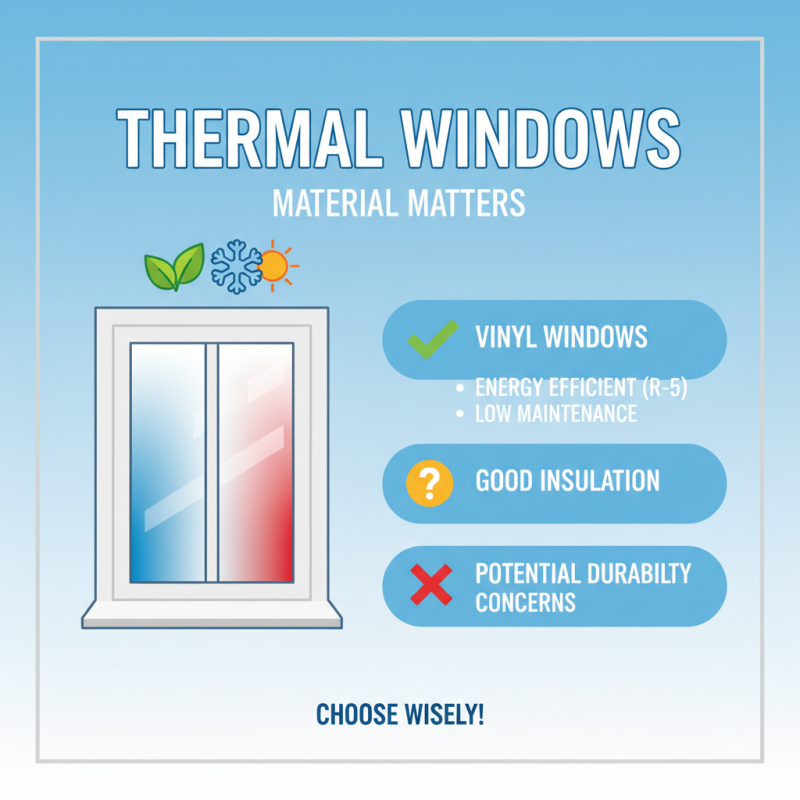
When selecting thermal windows, the material plays a crucial role. Different materials have unique properties that impact insulation and efficiency. Vinyl windows are popular due to their energy efficiency and low maintenance. They typically offer a good thermal performance with an insulation value of R-5. However, long-term durability may be a concern for some homeowners.
Wood windows, on the other hand, provide excellent thermal insulation with an R-value of about R-7. They add aesthetic appeal but require regular maintenance. Wood can warp or swell if not properly cared for. Aluminum frames are less efficient, often requiring thermal breaks for improved performance. Their insulation values can be as low as R-2, making them less favorable for energy-conscious buyers.
Some cutting-edge options include fiberglass windows, known for superior strength and insulation. Fiberglass profiles can deliver R-values that exceed R-7, making them highly efficient. Despite their benefits, the upfront cost may deter some buyers. Buyers should weigh the short-term expenses against long-term energy savings. Choosing the right material can be a balancing act of cost, efficiency, and durability.
Evaluating Energy Efficiency Ratings for Thermal Windows
When evaluating thermal windows, energy efficiency ratings are crucial. These ratings tell you how well a window insulates. Look for the U-factor, which measures the rate of heat transfer. The lower the U-factor, the better a window performs. According to the U.S. Department of Energy, windows with a U-factor of 0.30 or lower are considered energy efficient.
Another important rating is the Solar Heat Gain Coefficient (SHGC). This measures how much solar radiation enters through the window. A lower SHGC can reduce cooling costs in warmer climates. The American Architectural Manufacturers Association suggests an SHGC of 0.25 to 0.35 for optimal performance in many regions. However, these ratings can vary based on climate, orientation, and shading.
Always check the NFRC (National Fenestration Rating Council) label. This label provides reliable energy performance information. It can guide purchasing decisions. However, understanding these metrics can sometimes be overwhelming. Many homeowners overlook these details in favor of aesthetics. This might lead to higher energy bills. Hence, careful research is essential for making an informed choice.
Installation and Maintenance Tips for Thermal Windows
When it comes to thermal windows, proper installation is critical. A poor fit can lead to air leaks. Ensure the frame is level and square during installation. This step is often rushed but deserves attention. Use shims to secure the window in place. Seal gaps with caulk for better insulation. It's a small detail that can have a big impact.
Maintenance is equally important. Regularly inspect your windows for any signs of damage. Look for cracks in the frame or fogging between panes. These issues can reduce efficiency. Cleaning is vital too. Use a soft cloth and mild detergent. Scratches can happen easily when using harsh materials. Frequent checks can help identify potential problems early. Neglect may lead to costly repairs down the line. It’s a simple task that pays off.
Energy Efficiency Ratings of Thermal Windows