How to Choose the Right Thermal Windows for Your Home: A Complete Guide
When it comes to enhancing the energy efficiency and comfort of your home, choosing the right thermal windows is a decision that should not be taken lightly. As industry expert John Smith, a renowned consultant in energy-efficient home solutions, states, “Thermal windows are not just a luxury; they are a necessity for homeowners looking to reduce energy costs and improve indoor comfort.” With the right thermal windows, you can significantly lower your heating and cooling expenses while also making a positive impact on the environment.
In this complete guide, we will explore the critical factors to consider when selecting thermal windows for your home. From understanding different materials and their insulation properties to assessing energy ratings and installation techniques, this guide will equip you with the knowledge needed to make an informed choice. Whether you are building a new home or renovating an existing one, the guidance in this article will help you navigate the often-overwhelming options available on the market.
Join us as we delve into the world of thermal windows, shedding light on how they work, their benefits, and how to choose the best options that align with your home's specific needs. Your journey towards a more energy-efficient and comfortable living space starts here.
Understanding Thermal Windows: Definition and Benefits
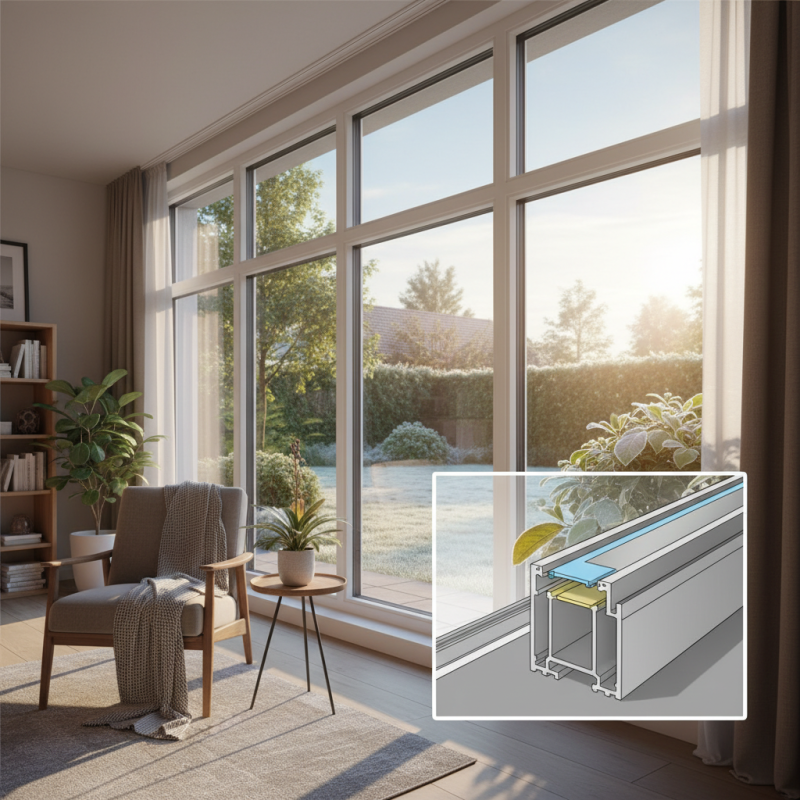
Thermal windows are specially designed to improve the energy efficiency of your home. They consist of multiple layers of glass with gas fills in between, helping to minimize heat transfer in and out of your living space. This enhanced insulation not only keeps your home comfortable year-round but can also significantly reduce your energy bills. The reduced reliance on heating and cooling systems contributes to a lower carbon footprint, making thermal windows an environmentally friendly choice.
When selecting thermal windows for your home, consider factors such as the U-factor and solar heat gain coefficient, both of which measure insulation efficiency and how well the window blocks heat from the sun. Investing in high-performance thermal windows equipped with Low-E coatings can further improve energy savings by reflecting heat back indoors during winter and keeping it out during summer.
Tips: Before making your purchase, assess the climate of your region. In colder climates, a window with a lower U-factor is crucial, while in warmer areas, prioritize windows with lower solar heat gain. Additionally, always consult with a professional installer to ensure that your windows are correctly fitted and sealed, as improper installation can compromise their performance.
Key Factors to Consider When Choosing Thermal Windows
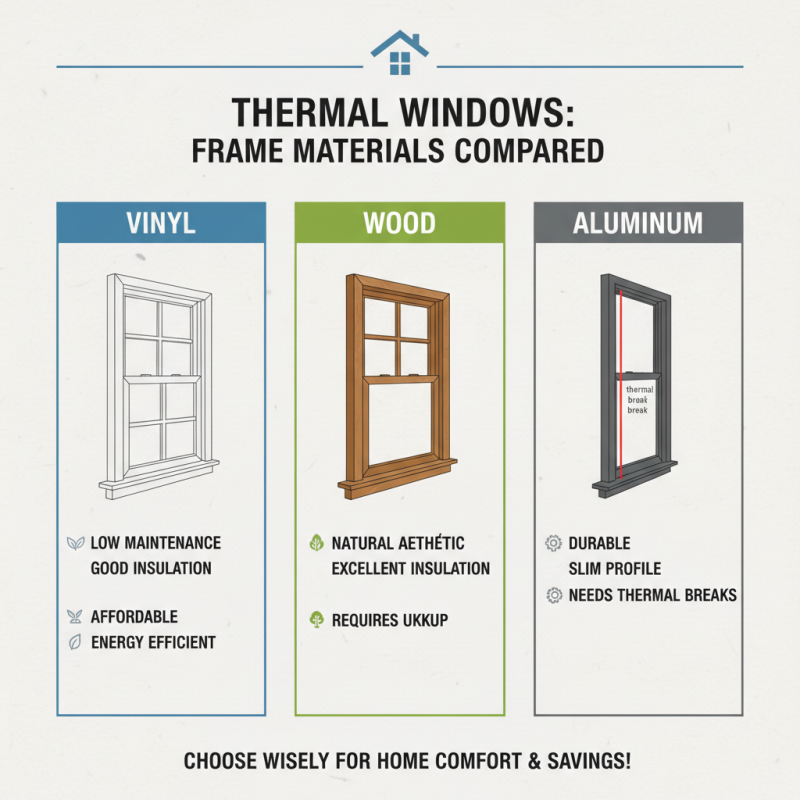
When choosing thermal windows for your home, several key factors must be taken into account to ensure optimal energy efficiency and comfort. First, consider the window frame material. Common options include vinyl, wood, and aluminum, each with different thermal performance characteristics. Vinyl is often praised for its low maintenance and good insulating properties, while wood offers a natural aesthetic but may require more upkeep. Aluminum, on the other hand, is durable but may need thermal breaks to improve its insulation capability.
Another crucial aspect is the type of glazing. Look for windows with double or triple glazing, as these layers provide better insulation by creating air or inert gas pockets that reduce heat transfer. Additionally, consider the Low-E (low-emissivity) coatings that can minimize heat loss while still allowing natural light to enter your home. The selection of the appropriate energy rating, such as the U-factor and Solar Heat Gain Coefficient (SHGC), will also play a significant role in the efficiency of the windows, helping you make an informed decision based on your local climate and specific needs.
Types of Thermal Windows: Options and Features Explained
When choosing thermal windows for your home, understanding the different types and features available is crucial to making an informed decision. Thermal windows, often referred to as energy-efficient windows, can significantly impact your home's energy consumption. Research indicates that replacing single-pane windows with double or triple-pane thermal windows can reduce energy bills by up to 30% annually, as they provide superior insulation properties.
There are several types of thermal windows to consider, including double-hung, casement, and sliding windows. Double-glazed windows consist of two layers of glass separated by a space filled with argon or krypton gas, enhancing thermal performance. Meanwhile, triple-glazed windows offer even greater insulation with an additional pane of glass. Features such as Low-E coatings can further improve energy efficiency by reflecting heat back into your home during winter while keeping it cool in summer.
Tips: When evaluating thermal windows, consider their U-factor, which measures the rate of heat transfer. A lower U-factor indicates better insulation. Additionally, check for the Solar Heat Gain Coefficient (SHGC) to assess how well the window blocks heat from sunlight. Always opt for windows certified by energy efficiency programs, as they guarantee reliability and performance.
Energy Efficiency Ratings and How They Impact Window Selection
When selecting thermal windows for your home, understanding energy efficiency ratings is crucial to make an informed choice. These ratings primarily include the U-factor, solar heat gain coefficient (SHGC), and the energy rating label.
The U-factor measures the rate of heat transfer through the window; the lower the U-factor, the better the window's insulation properties. This rating is essential for cold climates where heat retention is a priority.
Another important metric is the solar heat gain coefficient (SHGC), which indicates how well a window blocks heat from sunlight. A lower SHGC is beneficial for warmer climates where reducing indoor temperatures is necessary. Conversely, higher SHGC values may be advantageous in colder regions, allowing passive solar heating. When evaluating thermal windows, look for a balance of these ratings to suit your local climate and your home's specific needs, ensuring that your investment contributes to long-term energy savings and comfort.
Installation and Maintenance Tips for Optimal Performance
When it comes to maximizing the performance of thermal windows, proper installation and maintenance are crucial. According to the U.S. Department of Energy, around 30% of a home's heating energy is lost through windows. To mitigate this loss, it is essential to ensure that windows are installed according to the manufacturer's specifications, which typically include details about framing, sealing, and insulation. A well-installed window not only optimizes energy efficiency but also enhances the durability of the window unit itself. For best results, consider engaging a professional installer who adheres to industry standards.
Regular maintenance is equally important for sustaining the performance of thermal windows. The National Fenestration Rating Council (NFRC) recommends routine inspections to check for proper sealing, condensation, and any signs of wear. Small issues can quickly escalate; for example, air leaks can increase energy costs significantly—by as much as 15% in some cases. Cleaning the window frames and ensuring that drainage channels are clear can help prevent moisture buildup, which is essential for maintaining the integrity of the window structure. Additionally, reapplying sealant every few years can further enhance protection against the elements and extend the lifespan of your thermal windows.
How to Choose the Right Thermal Windows for Your Home: A Complete Guide - Installation and Maintenance Tips for Optimal Performance
| Window Type |
Material |
Energy Efficiency Rating |
Price Range ($) |
Lifespan (Years) |
Maintenance Level |
| Double Glazed |
Vinyl |
High |
300 - 800 |
20 - 25 |
Low |
| Triple Glazed |
Wood |
Very High |
800 - 1500 |
25 - 30 |
Medium |
| Low-E Coated |
Aluminum |
High |
400 - 900 |
15 - 20 |
Medium |
| Casement Windows |
Fiberglass |
High |
500 - 1100 |
20 - 25 |
Low |
| Sliding Windows |
Vinyl |
Medium |
350 - 750 |
15 - 20 |
Low |