How to Choose the Best Thermal Windows for Your Home?
Choosing the right thermal windows is crucial for efficient home insulation. According to the U.S. Department of Energy, windows account for about 25-30% of residential heating and cooling energy use. Selecting the best thermal windows can minimize this energy loss, potentially saving homeowners up to 15% on energy bills annually.
Many homeowners overlook the impact of window selection. High-quality thermal windows not only provide better insulation but also reduce noise pollution. Studies show that single-pane windows can lose nearly twice as much heat as double-pane thermal windows. Investing in these windows can enhance your home's comfort level significantly.
However, not all thermal windows are created equal. Some options may be appealing but lack durability. Selecting thermal windows requires careful consideration of materials and energy ratings. The Energy Star program provides valuable guidelines to help homeowners make informed choices. This often involves weighing immediate costs against long-term savings, which can be a complex decision.

Understanding Thermal Windows: Definition and Importance
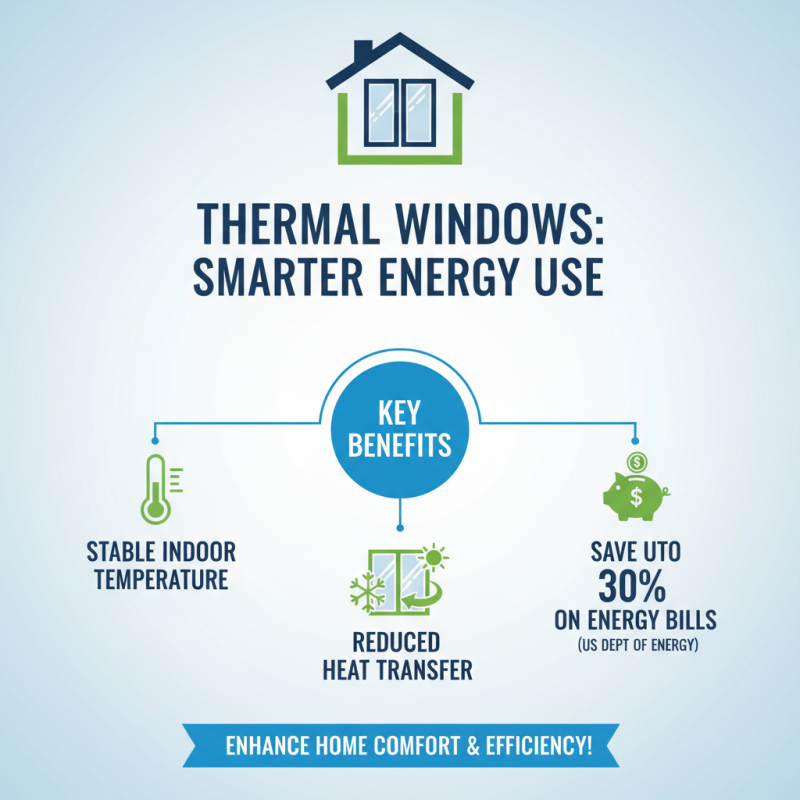
Thermal windows are designed to enhance home energy efficiency. They help in maintaining a stable indoor temperature. These windows significantly reduce heat transfer, which is crucial for comfort. Studies show that homes with thermal windows can save up to 30% on heating and cooling costs (U.S. Department of Energy).
Understanding thermal windows is vital. They typically feature multiple panes of glass with insulating gas in between. This design minimizes temperature fluctuations. Data indicates that well-insulated windows can lower energy usage by 12% to 20% annually. However, not all thermal windows perform the same. Some have better ratings than others, leading to confusion in selecting the right option.
Though many builders emphasize thermal performance, some installations fall short. Poor sealing and low-quality materials can compromise effectiveness. Homeowners should watch out for these issues. Regular maintenance is essential to ensure optimal performance over time. It's important to consider long-term investments in window technology for enhanced energy savings and comfort.
Identifying Your Home’s Insulation Needs and Climate Considerations
When selecting thermal windows, it's essential to assess your home's insulation needs. Start by evaluating the current condition of your windows. Do they let in drafts? Are they old and inefficient? Consider their age and how they affect your energy bills.
Climate considerations play a pivotal role in your choice. Homes in colder areas benefit from windows that retain heat. Those in warmer climates should prioritize windows that reflect sunlight. This balance impacts comfort and energy consumption.
Think about window materials and design. Different frames offer varying insulation qualities. Vinyl frames are often energy-efficient, while wood provides a classic aesthetic. Reflect on these details to find the best fit. Don't hesitate to seek professional advice; sometimes, a second opinion can uncover overlooked aspects.
Comparing Material Options: Vinyl, Wood, and Aluminum Thermal Windows
When considering thermal windows for your home, material choice plays a crucial role. Vinyl, wood, and aluminum are the top contenders. Each has unique characteristics that can suit different preferences. For example, vinyl windows offer excellent energy efficiency. The Department of Energy reports that they can reduce heating and cooling costs by about 30%. This is significant for homeowners looking to cut bills.
Wood, while aesthetically pleasing, requires more maintenance. It needs regular painting or staining to prevent decay. Yet, many people love its natural look. A recent study by the National Association of Realtors shows that homes with wooden windows sell for up to 10% more than those with vinyl. However, the durability of wood is a challenge in certain climates.
Aluminum windows are known for their strength and longevity. They resist warping and are lower maintenance. However, they are often less energy-efficient unless they have a thermal break. Just about 5% of buyers prioritize aluminum for energy savings. It’s essential to weigh these factors based on your climate and lifestyle. Balancing aesthetics, efficiency, and maintenance can lead to a more comfortable home environment.
Comparing Thermal Window Material Options
Evaluating Energy Efficiency Ratings: U-Factor and Solar Heat Gain
When choosing thermal windows, energy efficiency ratings are crucial. The U-factor measures heat transfer. A lower U-factor indicates better insulation. For example, windows with a U-factor of 0.30 or lower are considered energy efficient. Many homeowners overlook this important detail. This small number can greatly impact energy bills, especially in colder climates.
Solar Heat Gain Coefficient (SHGC) is another key factor. SHGC measures how much solar radiation passes through a window. A lower SHGC means less heat gain. In hot climates, an SHGC of 0.25 or lower is often recommended. Not all windows offer the right balance. Finding the right U-factor and SHGC for your location is essential but often confusing.
Selecting the best thermal windows involves more than just numbers. Homeowners must consider their specific needs. For instance, large windows can increase heat gain significantly. The wrong choice may lead to discomfort and increased energy costs. Balancing these ratings can be a difficult task. It’s important not to rush this decision. Taking time to evaluate both U-factor and SHGC is necessary for long-term satisfaction.
How to Choose the Best Thermal Windows for Your Home?
| Window Type |
U-Factor |
Solar Heat Gain Coefficient (SHGC) |
Energy Efficiency Rating |
| Double Glazed Low-E |
0.30 |
0.25 |
A |
| Triple Glazed Low-E |
0.20 |
0.20 |
A+ |
| Single Glazed |
0.50 |
0.55 |
C |
| Double Glazed Argon Fill |
0.25 |
0.30 |
A+ |
| Vinyl Frame Windows |
0.32 |
0.23 |
B |
Choosing the Right Style and Design for Your Home Aesthetic
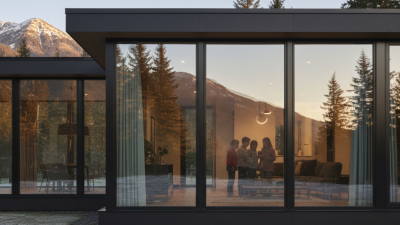
Choosing the right style and design of thermal windows is crucial for your home’s aesthetic. A perfect window enhances the overall look. Consider the architecture of your house. Modern homes might benefit from large, sleek windows. Traditional homes often look best with divided lites. Each style tells a story, reflecting your taste.
Colors matter too. A bold window frame can make a statement. Soft hues blend seamlessly with the walls. Darker tones can add depth but might require maintenance. Think about the view outside. A window that frames nature well enhances indoor spaces. It creates a natural art piece, inviting the outdoors in.
Don’t rush this decision. Visit showrooms, and see how different styles work in person. Bring samples home. Sometimes, what looks good in theory may not fit your space. Pay attention to details like insulation performance. It affects not only aesthetics but also energy efficiency. Balancing form and function requires thought. Choosing the right thermal windows is a reflection of you and your home’s character.