How to Choose the Best Patio Doors for Your Home Improvement Project
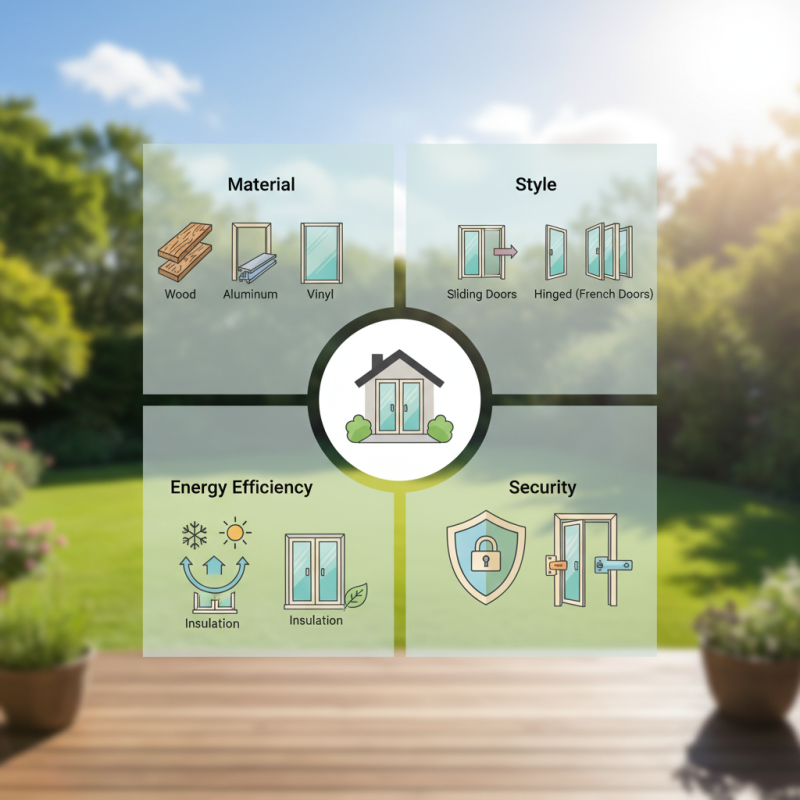
When embarking on a home improvement project, one of the most impactful decisions you can make is the choice of patio doors. These doors not only serve as a gateway between your indoor and outdoor spaces, but they also play a crucial role in enhancing the aesthetic appeal and functionality of your home. With a variety of options available, selecting the best patio doors requires careful consideration of factors such as material, style, energy efficiency, and security features.
Patio doors come in a multitude of designs, from sliding to hinged, each offering unique benefits that can complement your home's architecture and accommodate your lifestyle needs. Moreover, the right patio doors can improve natural light flow, create a sense of spaciousness, and provide easier access to your outdoor areas. As you delve into the selection process, it's important to assess how different options align with your overall home improvement goals and budget.
Ultimately, the perfect patio doors will enhance your living space while providing a seamless transition to the beauty of the outdoors. By understanding the key attributes of patio doors and evaluating them in the context of your specific requirements, you can make an informed choice that elevates both the functionality and elegance of your home.
Understanding Different Types of Patio Doors: A Comprehensive Overview
When embarking on a home improvement project, selecting the right patio doors is essential for both aesthetics and functionality. According to the 2021 Remodeling Impact Report by the National Association of Realtors, 76% of homeowners who invest in new patio doors report a high level of satisfaction with their decision. Understanding the different types of patio doors available is key to making an informed choice.
There are primarily three types of patio doors: sliding, hinged, and bi-fold (or multi-fold) doors. Sliding patio doors are popular for their space-saving design and ability to provide expansive views, making them ideal for modern homes. In contrast, hinged doors, or French doors, are known for their classic elegance and can create a more traditional look for your patio. According to a report by the American Institute of Architects, hinged doors accounted for 30% of all patio door installations in 2022, showing their enduring appeal. Bi-fold doors have also surged in popularity, as they can seamlessly integrate indoor and outdoor spaces, offering flexibility and a contemporary touch to home designs.
In terms of materials, homeowners can choose between vinyl, wood, aluminum, and fiberglass, each offering distinct benefits. For instance, vinyl doors are noted for their energy efficiency and low maintenance, while wooden doors provide a warm, natural aesthetic. The 2020 Green Builder Media survey revealed that nearly 60% of homeowners prioritize energy-efficient features when selecting patio doors, reflecting a growing trend toward sustainable home improvement practices. By understanding these different patio door types and their respective benefits, homeowners can make decisions that enhance their living spaces while adding value to their properties.
Comparison of Patio Door Types for Home Improvement
Evaluating Energy Efficiency Ratings for Patio Doors: What to Look For
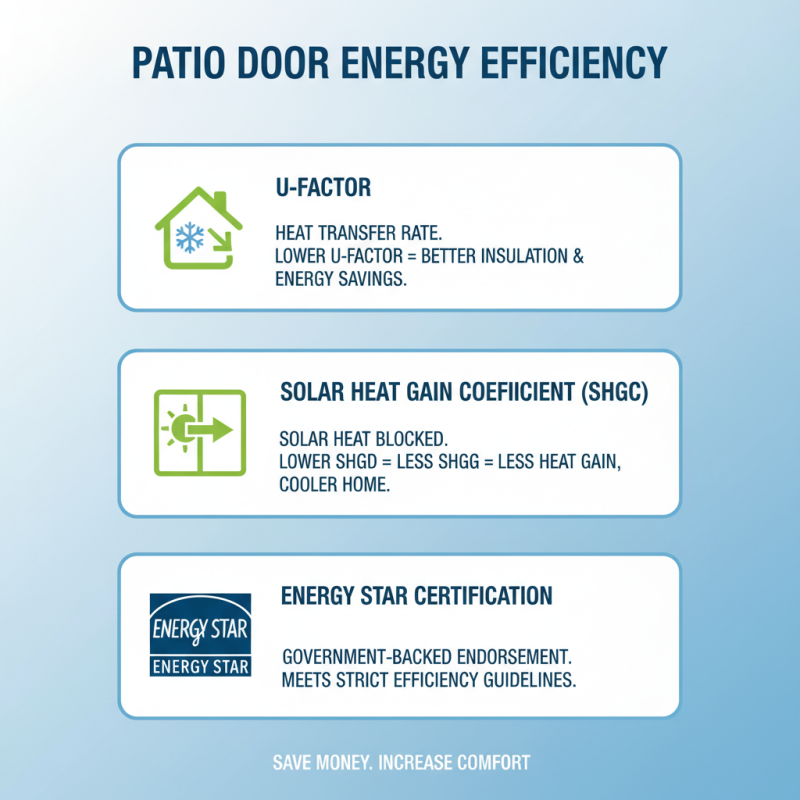
When selecting patio doors for your home, it's crucial to evaluate their energy efficiency ratings to ensure you make an informed choice. Energy efficiency ratings are typically represented by the U-factor, Solar Heat Gain Coefficient (SHGC), and Energy Star certification. The U-factor measures the rate of heat transfer through the door; a lower U-factor indicates better insulating properties, which helps maintain a comfortable indoor environment and can significantly reduce heating and cooling costs.
Additionally, consider the Solar Heat Gain Coefficient, which indicates how much solar radiation can enter through the door. A lower SHGC is preferable in warmer climates, as it helps keep your space cooler by minimizing heat gain from sunlight, while a higher SHGC might be beneficial in colder areas where you want to maximize solar heat. Furthermore, opting for Energy Star-certified doors ensures that the products meet strict energy efficiency guidelines, making them an excellent choice for sustainable living. By focusing on these ratings, you can select patio doors that not only enhance your home's aesthetic but also contribute to energy savings in the long run.
Material Choices for Patio Doors: Wood, Vinyl, and Fiberglass Explained
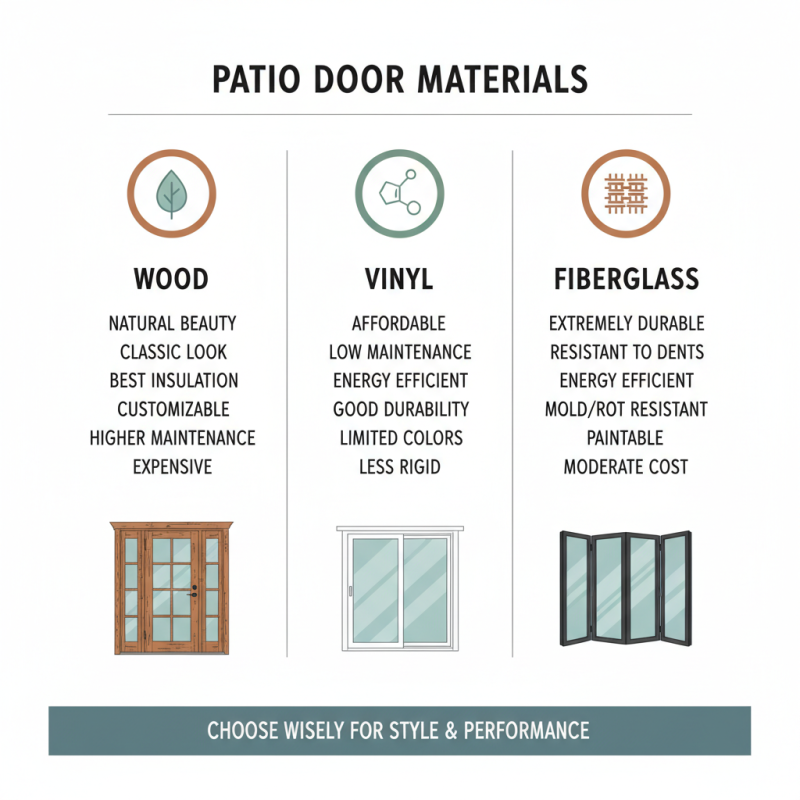
When selecting patio doors for your home, the material choice plays a crucial role in both aesthetics and functionality. Three popular materials—wood, vinyl, and fiberglass—offer distinct advantages that cater to various needs and preferences.
Wood patio doors create a warm, classic look that many homeowners adore. They provide excellent insulation, which can help regulate indoor temperatures. However, wood requires regular maintenance, such as staining or sealing, to protect it from the elements. This commitment to upkeep might deter some, but for those who appreciate natural beauty, wood is often worth the effort.
Vinyl patio doors stand out for their durability and low maintenance. Resistant to warping and fading, they are an ideal choice for homeowners seeking longevity without the hassle of constant upkeep. Available in a variety of colors and finishes, vinyl can complement various home styles while offering energy efficiency. On the other hand, fiberglass doors combine the benefits of both materials. They are incredibly strong, resistant to weathering, and do not require much maintenance. Fiberglass can mimic the appearance of wood while offering superior energy-efficient properties, making it a versatile option for any home improvement project.
Assessing Security Features in Patio Doors: Key Considerations
When selecting patio doors, security features should be a top priority for homeowners. According to the Bureau of Justice Statistics, nearly 1.4 million burglaries occur annually in the United States alone, with a significant percentage of these break-ins involving access through sliding or poorly secured doors. Therefore, investing in high-quality patio doors with robust security measures can substantially reduce vulnerability.
Key considerations for security in patio doors include lock mechanisms and materials. Opt for doors equipped with multi-point locking systems, as these distribute force along the frame and enhance resistance against tampering. Additionally, reinforced frame materials such as fiberglass or vinyl are recommended over standard wood or lightweight aluminum, which can be easily compromised.
**Tips:** Always check for certifications, such as those from the American National Standards Institute (ANSI), that indicate the door has passed rigorous testing for security and durability. Furthermore, consider installing security features such as door sensors and motion-activated lights to complement your patio door security. Lastly, ensure that the tracks of sliding doors are designed to prevent lifting, an often-overlooked weakness that can be exploited by intruders.
How to Choose the Best Patio Doors for Your Home Improvement Project - Assessing Security Features in Patio Doors: Key Considerations
| Feature |
Description |
Importance |
| Locking Mechanism |
High-quality locking systems such as deadbolts or multi-point locks. |
Critical for preventing unauthorized access. |
| Frame Material |
Materials like fiberglass or vinyl offer better durability and strength. |
Affects overall security and longevity of the door. |
| Glass Type |
Tempered or laminated glass provides better resistance to breakage. |
Enhances safety by minimizing risk of injury from broken glass. |
| Smart Technology |
Integration of smart locks or security systems for monitoring. |
Offers enhanced security and convenience. |
| Weather Seals |
Energy-efficient seals that prevent water and air infiltration. |
Protects the interior from weather elements and reduces energy costs. |
Budgeting for Your Patio Door Project: Average Costs and Installation Fees
When embarking on a patio door project, budgeting is a crucial step that can significantly influence your choices. The average cost of patio doors typically ranges from $1,000 to $4,000, depending on the style, materials, and custom features you select. Factors such as sliding doors versus hinged doors, glass type, and frame material will all affect the overall price. It’s essential to conduct thorough research and gather quotes from multiple suppliers to ensure you are making an informed decision that aligns with your financial plan.
In addition to the cost of the doors themselves, installation fees should also be accounted for in your budget. Professional installation can range from $300 to $1,200, based on the complexity of the installation and your geographical location. It’s wise to factor in these additional expenses to avoid any surprises down the line. If you’re handy and choose to undertake the installation yourself, you may save on labor costs, but ensure you have the right tools and skills to complete the job safely and correctly.