How to Choose the Right Window and Door Replacement for Your Home?
When considering a window and door replacement for your home, informed decisions are crucial. Research shows that quality replacements can improve energy efficiency by up to 25%. This not only lowers energy bills but also enhances home comfort. According to industry expert Jane Fisher, “Selecting the right windows and doors can transform both the aesthetics and energy efficiency of a home.”
The variety of options available may overwhelm homeowners. Choices in materials, styles, and features are abundant. Many homeowners struggle to balance cost with quality and long-term benefits. Studies by the National Association of Home Builders indicate that improper selection can lead to increased maintenance costs. It is vital to assess your home’s specific needs, budget, and climate.
Investing in window and door replacement is not just about aesthetics. It can have a profound impact on your living environment. Homeowners should seek professional advice to navigate potential pitfalls in their selection process. Reflecting on personal needs and future plans is essential. A well-chosen replacement can lead to lasting satisfaction.
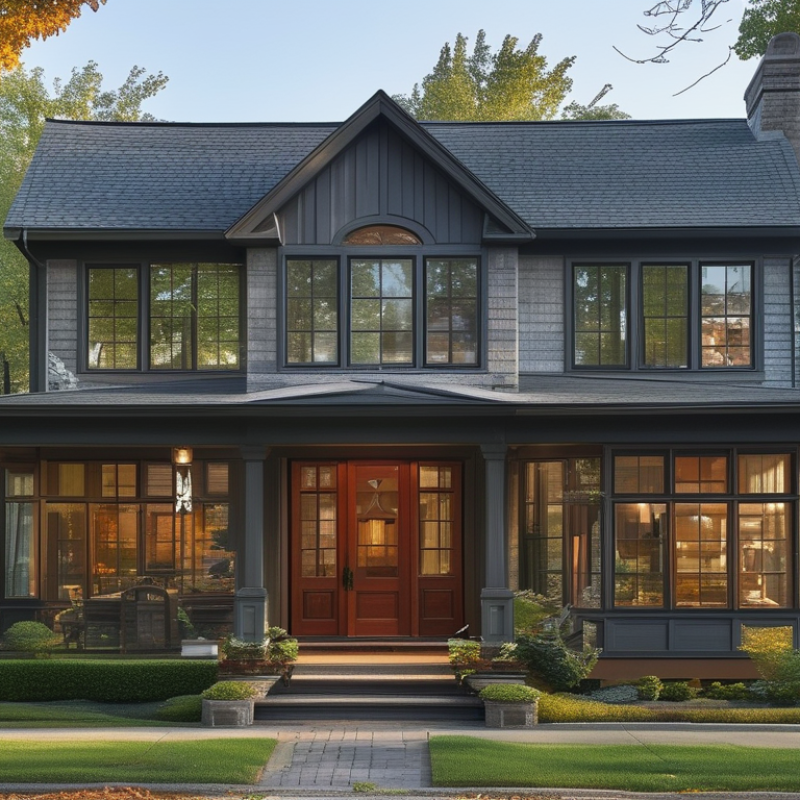
Factors to Consider When Selecting Window and Door Materials
When selecting materials for window and door replacements, durability is paramount. According to the American Institute of Architects, windows and doors can account for up to 30% of energy loss in a home. Choosing energy-efficient materials can significantly offset heating and cooling costs. For instance, fiberglass is renowned for its strength and thermal efficiency, outperforming traditional materials like wood and vinyl in longevity.
Aesthetic appeal should also be considered. Different materials can complement your home's architectural style. For example, wooden frames offer a classic look but require regular maintenance. On the other hand, aluminum frames are low-maintenance and provide a modern touch. Industry data shows that homeowners often seek a balance between durability and aesthetics, aiming for materials that reflect their personal style while ensuring longevity.
Cost is a significant factor. While some materials might be cheaper upfront, their long-term performance is crucial. A report by the National Association of Home Builders indicates that investing in quality materials can enhance property value by 10-20%. Thus, weighing the initial cost against long-term benefits is essential when making your decision. Remember, the right choice impacts not just your home's appearance but its overall efficiency and comfort.
Factors to Consider When Choosing Window and Door Materials
Understanding Energy Efficiency Ratings for Windows and Doors
Choosing the right windows and doors is crucial for energy efficiency. Understanding energy efficiency ratings can greatly influence your decision. Look for labels that highlight U-factor, solar heat gain coefficient, and air leakage rates. These ratings provide insight into how well a window or door will perform under different conditions.
The U-factor measures heat transfer. A lower U-factor indicates better insulation. Solar heat gain coefficient (SHGC) gauges how much solar heat enters your home. If you live in a hot climate, a low SHGC is essential. Air leakage rates measure draftiness. A product with a low leakage rate reduces heating and cooling costs.
Consider double or triple glazing for improved insulation. However, these options may come at a higher initial price. Weigh the long-term energy savings against upfront costs. Seek expert advice to navigate through the complexity of ratings effectively. There are many choices, and sometimes the best decision isn’t clear-cut. Stay informed and remember that the perfect choice may not exist for every situation.
Comparing Different Styles of Windows and Doors for Aesthetic Appeal
When considering window and door replacements, aesthetics play a crucial role. Various styles can drastically change your home's exterior. According to the American Institute of Architects, nearly 70% of homeowners prioritize appearance when selecting these features. Different styles can enhance traditional or modern architectural themes, making them significant investment choices.
Classic styles like double-hung windows offer a timeless appeal. They blend well with colonial and craftsman homes. Meanwhile, sliding doors can provide a sleek look for contemporary designs. However, the wrong choice might clash with your home's character. Studies suggest that mismatched styles can decrease property value by up to 10%.
Color options also matter. Soft hues can add elegance while bold colors make statements. However, over-colored choices may seem chaotic. Natural materials like wood lend a warm feel, but they require more maintenance. Vinyl options are low-maintenance but can lack the same warmth. Weighing these materials can be challenging but necessary for long-term satisfaction.
How to Choose the Right Window and Door Replacement for Your Home? - Comparing Different Styles of Windows and Doors for Aesthetic Appeal
| Style |
Material |
Aesthetic Appeal |
Energy Efficiency |
Cost |
| Double-Hung Window |
Vinyl, Wood, Fiberglass |
Classic & Timeless |
Good |
$$ |
| Casement Window |
Wood, Vinyl |
Modern & Sleek |
Excellent |
$$$ |
| Sliding Glass Door |
Aluminum, Vinyl |
Contemporary & Open |
Good |
$$ |
| French Door |
Wood, Fiberglass |
Elegant & Traditional |
Moderate |
$$$$ |
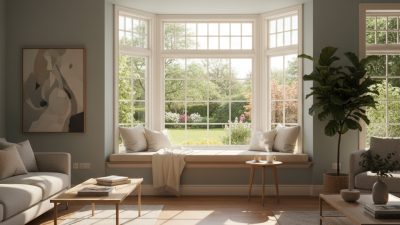
| Bay Window |
Vinyl, Wood |
Expansive & Bright |
Good |
$$$$ |
Assessing Security Features in Replacement Windows and Doors
When selecting replacement windows and doors, security features are crucial. According to the Bureau of Justice Statistics, nearly 1.5 million home burglaries occur annually in the United States. This staggering figure highlights the need for robust security in your home. Upgrading your windows and doors can significantly reduce the risk of break-ins.
Look for windows made from laminated or reinforced glass. These materials are tougher to break than standard glass. Consider multi-point locking systems for doors, as they engage several points of the frame. Studies show that homes with such systems are 50% less likely to be targeted. Additionally, ensure your windows feature strong frames and secure locking mechanisms.
Evaluate reviews and ratings from reliable sources. Information from industry experts can guide your choices. Many homeowners overlook details such as the installation process. Improper installation can compromise even the best products. Engage certified professionals to ensure the security features perform effectively. Ultimately, your goal should be to enhance safety while improving aesthetics.
Budgeting for Window and Door Replacement: Cost and ROI Analysis
When planning for window and door replacement, budgeting is key. Understand the costs involved. Typically, investment ranges from a few hundred to several thousand dollars. Factors include materials, labor, and energy efficiency features. Weigh potential returns against these expenses. Energy-efficient windows can lower utility bills, providing savings over time.
ROI is a critical aspect. On average, homeowners can expect a return of around 70-80% on their investment. Yet, this can vary based on location and market trends. Consider local property values when calculating potential ROI. High-quality replacements may yield better returns, but they come at a higher upfront cost.
Reflect on your home’s specific needs. If drafts and moisture issues persist, investing in quality materials is worthwhile. Low upfront costs can lead to higher long-term expenses if replacements are needed sooner than expected. Balance initial savings with durability when making your choice.