How to Choose and Install Double Pane Windows for Energy Efficiency
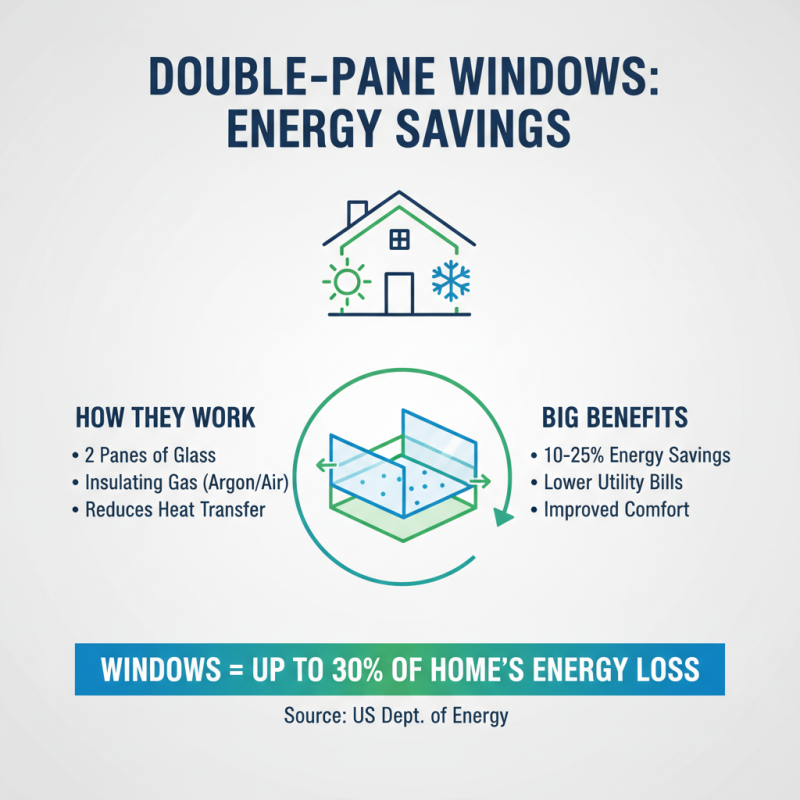
The importance of energy efficiency in residential properties has become increasingly clear, as homeowners seek ways to reduce utility costs and enhance indoor comfort. According to the U.S. Department of Energy, windows account for up to 30% of residential energy use, making them a critical focal point for energy-saving upgrades. In this context, double pane windows stand out as a highly effective option. These windows consist of two layers of glass with an insulating gas filled between them, resulting in improved insulation and reduced heat transfer. Industry reports indicate that double pane windows can decrease energy bills by as much as 20-30% compared to single-pane alternatives.
Moreover, the installation of double pane windows can not only enhance energy efficiency but also contribute to noise reduction and increased home value. The Energy Information Administration highlights that homes with energy-efficient windows not only maintain better indoor temperatures but also receive an increase in resale value of around 78% of the initial investment. As the demand for energy-efficient solutions continues to grow, understanding how to choose and install double pane windows becomes an essential consideration for homeowners looking to make impactful improvements to their properties.
Understanding Double Pane Windows and Their Energy Benefits
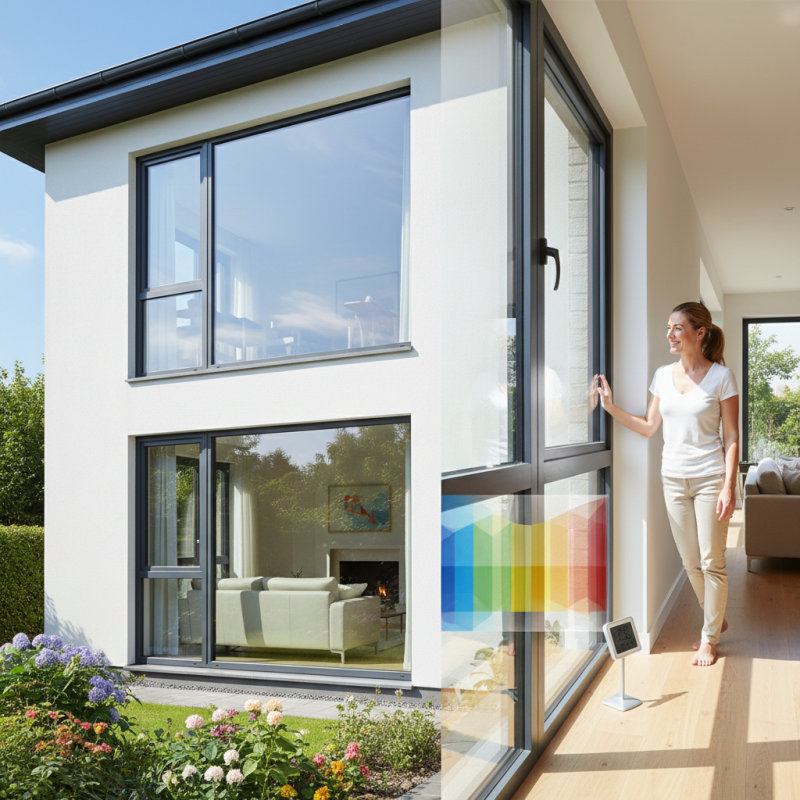
Double pane windows, also known as insulated glass units (IGUs), provide significant energy efficiency benefits compared to single-pane alternatives. By design, these windows consist of two glass panes separated by a space filled with argon gas or air, which reduces heat transfer. According to the Department of Energy, replacing single-pane windows with double-pane models can lead to energy savings of 10-25% on heating and cooling costs. This is particularly important considering that windows can account for up to 30% of a home's energy usage.
When selecting double pane windows, consider the U-factor, which measures the rate of heat transfer. The lower the U-factor, the better the window's insulating properties. Additionally, pay attention to the Solar Heat Gain Coefficient (SHGC), which indicates how much solar radiation is admitted through the window. A low SHGC is beneficial in hotter climates, while a higher rating might be preferable for colder areas where you want to capture solar warmth.
**Tips**: Ensure a proper fit during installation to maximize energy efficiency. Gaps and poor sealing can significantly reduce the effectiveness of double-pane windows. Consider hiring a professional for installation to guarantee that the windows are sealed tightly. Regular maintenance, such as cleaning the glass and checking for condensation between panes, is also essential to ensure optimal performance over time.
Factors to Consider When Choosing Double Pane Windows
When choosing double pane windows for energy efficiency, several factors must be considered to ensure optimal performance and comfort in your home. One of the primary factors is the type of gas used between the panes. Argon and krypton are common choices, with argon being more cost-effective while krypton provides better insulation in narrower spaces. Additionally, consider the window frame material; options include vinyl, wood, and fiberglass, each offering varying levels of aesthetics, durability, and insulation.
Tips: Always look for windows with a low U-factor, which measures the rate of heat transfer. The lower the U-factor, the better the window will perform in reducing energy costs. Additionally, check for energy efficiency certification labels, which can guide you to products that meet specific energy performance standards.
Another important consideration is the window's solar heat gain coefficient (SHGC). This metric determines how much solar radiation passes through the window. In warmer climates, a lower SHGC is preferable to minimize cooling costs, while in cooler regions, a higher SHGC can help retain warmth during the winter months. Ensure you assess your local climate and your home orientation to make an informed decision.
Tips: If possible, consult with a professional to evaluate your home’s specific needs. They can provide insights into the best window configurations and materials suited for your energy efficiency goals.
Energy Efficiency Benefits of Double Pane Windows
Steps for Measuring Windows for Accurate Sizing
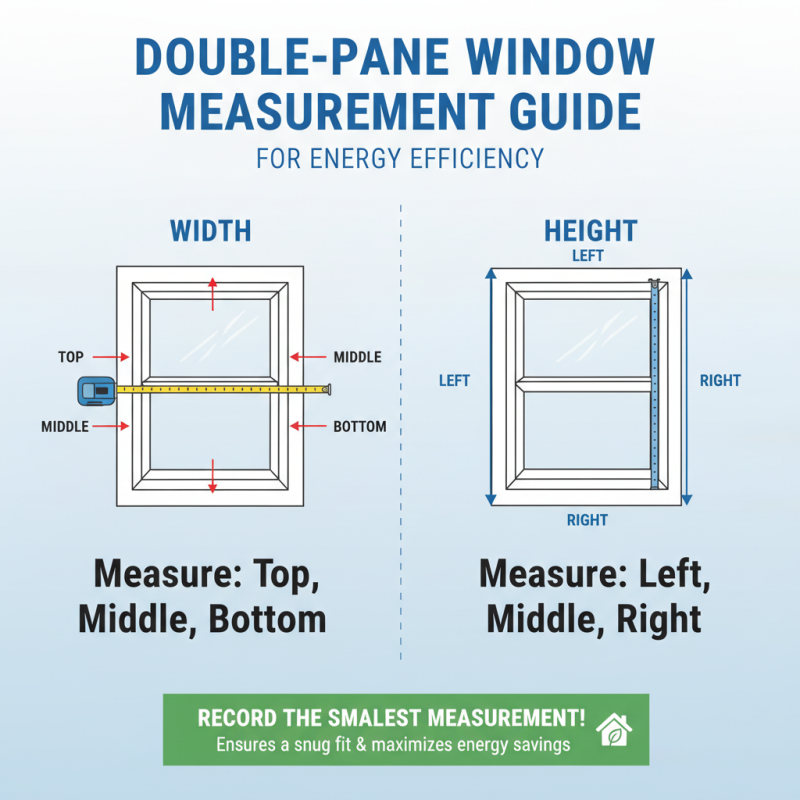
When it comes to choosing double pane windows for energy efficiency, accurate measurement is crucial for a proper fit. Start by measuring the width and height of your existing window frames. Use a tape measure to take measurements from the top, middle, and bottom for width, and from the left side, middle, and right side for height. Always record the smallest measurement, as this ensures that the new window will fit snugly without leaving gaps that can compromise energy efficiency.
After gathering these measurements, it's essential to account for the depth of the window frame. Measure the thickness of the wall in which the window will be installed to ensure that the new double pane windows can be properly recessed into the wall without protruding or being set too deeply. This assessment will help determine the style of window and the type of insulation needed for optimal energy performance, ultimately leading to a more comfortable and efficient living environment.
Installation Process of Double Pane Windows
The installation process of double pane windows begins with careful planning and preparation. First, measure the existing window frames accurately to ensure that the new windows fit properly. It’s essential to remove the interior trim and any sashes from the old windows, taking care to avoid damaging the surrounding walls. Once the old windows are out, clean the area thoroughly, inspecting for any damage or rot that may need repairing before the new windows are installed.
Next, set the double pane windows into the frame, making sure they are plumb and level. It’s vital to use shims to secure the windows in the correct position. Once properly aligned, fasten the windows in place, ensuring a tight seal to prevent air leakage. After the windows are secured, apply insulation around the frame to enhance energy efficiency and minimize thermal transfer. Finally, reinstall the interior trim, ensuring all gaps are caulked to create a snug fit. This careful installation process not only improves the aesthetics of your home but also significantly enhances its energy efficiency.
How to Choose and Install Double Pane Windows for Energy Efficiency - Installation Process of Double Pane Windows
| Aspect |
Details |
| Energy Efficiency |
Double pane windows provide better insulation than single-pane windows, reducing heating and cooling costs. |
| Material Options |
Common materials include vinyl, wood, and fiberglass, each offering different aesthetics and performance characteristics. |
| Window Styles |
Available styles include casement, sliding, and awning, which can impact the overall look and functionality. |
| Installation Steps |
1. Measure the window openings. 2. Remove old windows. 3. Prepare the opening. 4. Install the new double-pane windows. 5. Seal and insulate properly. |
| Cost Considerations |
The cost includes the windows themselves as well as installation labor, potentially averaging $300 to $1,000 per window. |
| Maintenance Tips |
Regularly clean the glass, inspect seals for signs of wear, and check for condensation between panes indicating seal failure. |
Maintenance Tips for Long-lasting Energy Efficiency
To ensure the long-lasting energy efficiency of double pane windows,
regular maintenance is essential. Start by inspecting the seals around your windows at least twice a year.
Over time, weather conditions can cause seals to degrade, leading to air and moisture infiltration.
If you notice any cracks or gaps, they should be repaired promptly to maintain optimal insulation. Additionally,
consider applying weatherstripping for an extra layer of protection against drafts, which can significantly reduce
your energy bills.
Cleaning the window surfaces,
both inside and out, is another crucial maintenance task. Use a non-abrasive cleaning solution with a soft cloth
to avoid scratches that could compromise the window’s capabilities. Pay particular attention to the space between
the panes; if condensation develops within the panes, this could indicate seal failure, requiring professional attention.
Lastly, inspect the frames for any signs of wear or deterioration. Wood frames
may need sealing or painting to prevent moisture damage, while vinyl frames could benefit
from a thorough cleaning to ensure durability and energy efficiency. Regularly addressing these aspects will not
only prolong the life of your windows but also ensure they continue to function effectively.