Best Patio Doors for Your Home Buying Guide?
Choosing the right patio doors can significantly enhance your home's aesthetics and functionality. Patio doors serve as a bridge between your indoor and outdoor spaces, offering plenty of natural light and a seamless transition. With various styles, materials, and options available, selecting the perfect patio doors can seem daunting.
Understanding your needs is crucial. Consider factors like energy efficiency, durability, and security features. Different materials such as vinyl, wood, and fiberglass each have their own advantages. Buyers often overlook these details, leading to choices that may not suit their lifestyles.
This guide is designed to empower you with the knowledge needed to make an informed decision. It provides expert insights and practical tips on choosing patio doors that align with your home's design and function. Stay tuned for deeper exploration into the best options available for every homeowner.
Essential Factors to Consider When Choosing Patio Doors
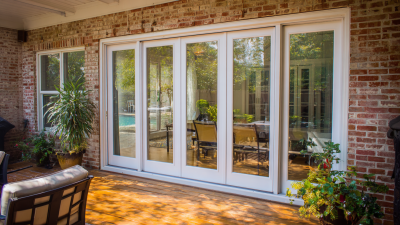
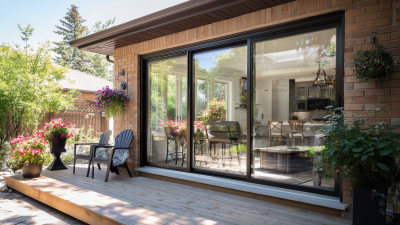
When selecting patio doors, several key factors should guide your decision. The choice between sliding doors and French doors can impact both aesthetics and functionality. Sliding doors typically save space, while French doors often create a classic look.
Industry reports indicate that 70% of homeowners favor sliding doors for their modern appeal and ease of use.
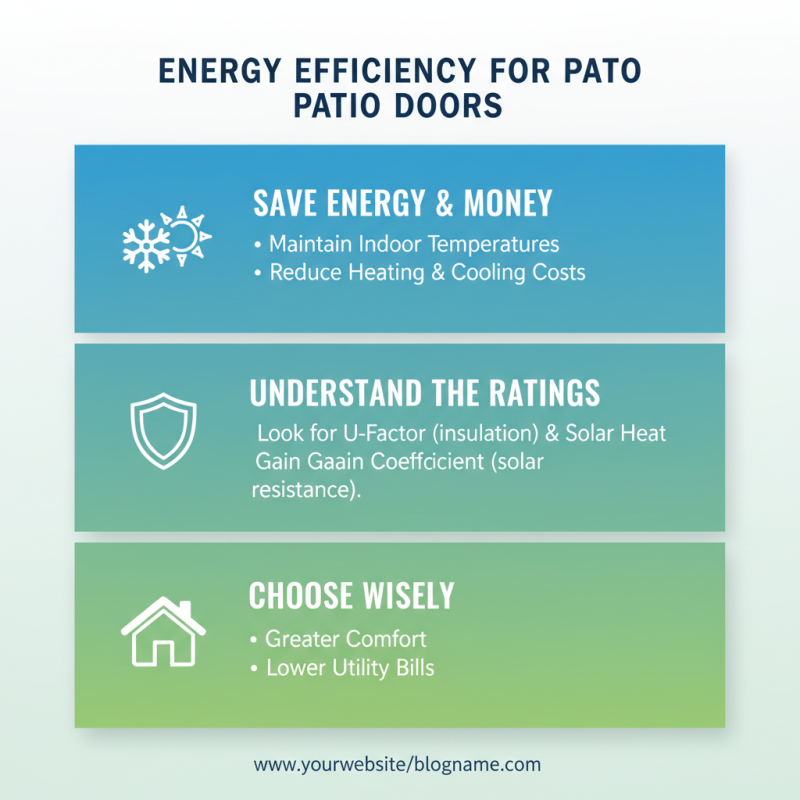
Energy efficiency is another crucial element. Doors with Energy Star ratings can significantly reduce heating and cooling costs. Research shows that well-insulated doors can lower energy bills by up to 30%. Additionally, materials play a vital role.
Vinyl, wood, and fiberglass all offer different benefits and drawbacks. Vinyl is low-maintenance yet may lack the warmth of wood.
Safety features are also essential. Look for doors with multi-point locking systems for enhanced security. According to the American Institute of Architects, 50% of home break-ins occur through doors. Proper installation is often overlooked. Incorrectly installed doors can lead to drafts and increased energy costs. Ensure your door meets quality standards for durability and longevity.
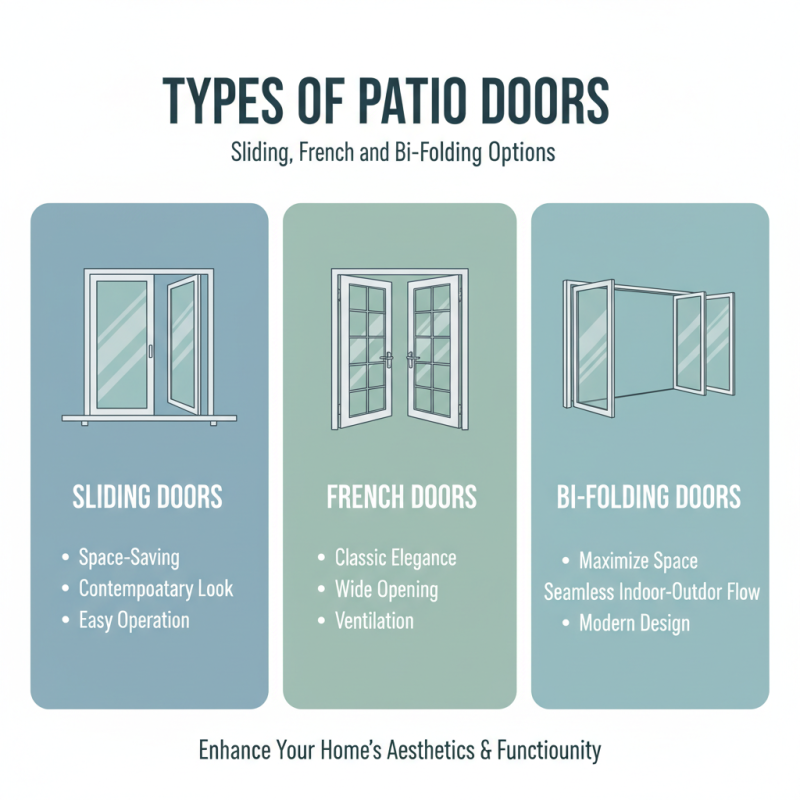
Types of Patio Doors: Sliding, French, and Bi-Folding Options
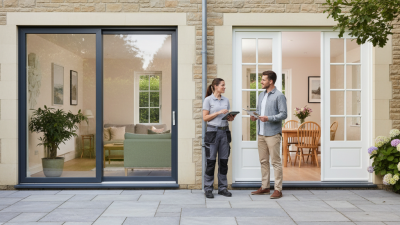
Choosing the right patio door can significantly enhance your home's aesthetics and functionality. There are three main types: sliding, French, and bi-folding doors. Each option offers unique advantages, depending on the space and style of your home.
Sliding doors are popular for their space-saving design. They glide along a track, making them ideal for smaller areas. According to a recent industry report, sliding doors can increase natural light by up to 30%. This feature makes your indoor space feel larger and more inviting.
French doors add elegance and charm to any room. They open outward or inward, allowing for a wider entryway. While they require more space than sliding doors, their classic design can boost your home’s curb appeal. A study shows that homes with French doors can see a property value increase of 10-15%.
Bi-folding doors are gaining traction for their versatility. They can completely open up an area, creating a seamless transition between indoor and outdoor spaces. However, they are often more expensive and may require more maintenance over time.
When choosing a patio door, consider your space and lifestyle. Think about the climate in your area, as well; energy-efficient options can save you money in the long run. Visualize how each door will fit into your home. This reflection can guide you to the best decision.
Materials for Patio Doors: Wood, Vinyl, and Aluminum Comparison
When choosing patio doors, materials play a crucial role. Wood, vinyl, and aluminum each have unique benefits and drawbacks. Wood doors provide aesthetic warmth and natural insulation. However, they may require more maintenance against moisture and warping. Consider if the look of wood fits your home's style before committing.
Vinyl doors are popular for their energy efficiency and low upkeep. They resist fading, peeling, and offer excellent insulation. But, not all vinyl options can withstand extreme temperatures. Investigate their lifespan to ensure they meet your home’s needs.
Aluminum doors are sleek and strong. They are resistant to rust and can support large glass panels. Yet, they may conduct heat, impacting energy costs. Think about your climate when choosing aluminum.
Tips: Check the insulation ratings for energy efficiency. A well-insulated door can save you money on heating and cooling. Also, consider the door's warranty—it's a reflection of its quality and longevity. Lastly, involve a professional in measuring your space. Proper installation is vital for performance.
Comparison of Materials for Patio Doors
Installation and Maintenance Tips for Your Patio Doors
When choosing patio doors, consider the installation process thoroughly. Improper installation can lead to air leaks and security issues. Always measure your door frame accurately. Measurements should be precise. Uneven surfaces can cause problems with the door's operation.
Regular maintenance is crucial to keep patio doors functioning smoothly. Check the seals and weather stripping for wear. Replace any damaged parts promptly. Lubricate hinges and locks periodically. This simple step can prevent rust and ensure longevity.
Be mindful of the materials used for the patio doors. Wooden doors may need more care than vinyl or fiberglass. They can warp or swell over time, especially in humid climates. It’s essential to inspect them regularly. Small cracks or peeling paint can lead to bigger issues if left unattended. A proactive approach helps avoid future problems.
Best Patio Doors for Your Home Buying Guide
| Type of Patio Door |
Material |
Energy Efficiency Rating |
Average Cost |
Maintenance Tips |
| Sliding Patio Door |
Vinyl |
High |
$1,200 - $2,500 |
Clean tracks regularly; lubricate rollers. |
| French Patio Door |
Fiberglass |
Moderate |
$1,500 - $3,000 |
Inspect seals; paint or stain as needed. |
| Bi-Fold Patio Door |
Aluminum |
Very High |
$3,000 - $6,000 |
Keep frames clean; check tracks for debris. |
| Patio Door with Built-in Blinds |
Glass |
High |
$2,000 - $4,000 |
Clean the glass carefully; check functionality of blinds. |